•
•
•
•
•
•
•
•
•
•
•
•
•
•
•
•
•
•
•
•
•
•
•
•
•
•
•
•
•
•
•
•
•


With infrastructure funding needs growing, the Build-Transfer (BT) model is expected to mobilize private resources more effectively. Under the model, payments using land are based on market principles, with land values reassessed according to market mechanisms at the time of land handover.
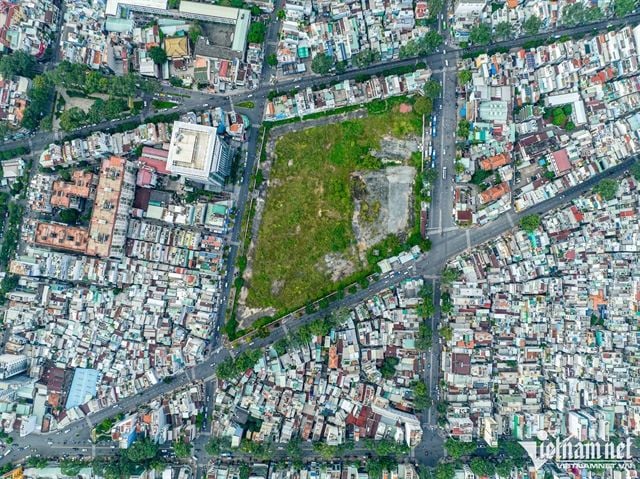
After nearly 20 years of vacancy since the Saigon Tobacco Factory relocated in 2008, a nearly 31,000 m2 site at 152 Tran Phu Street (Cho Quan Ward, Ho Chi Minh City) will be placed into the land fund to settle BT project payments. This is one of 33 parcels approved by the Ho Chi Minh City People’s Council to be used to compensate investors implementing Build-Transfer projects.
City authorities say infrastructure capital needs are currently very large, citing critical projects including the Can Gio Bridge, Phu My 2 Bridge, the RCC (Rạch Chiếc) National Sports Complex, the Can Gio–Vung Tau connection, the Ho Tram–Long Thanh Expressway, Metro Line 2, and wastewater treatment plants. If all projects proceed, total BT capital needs in Ho Chi Minh City could exceed VND 500 trillion.
In the context of tight budgets and urgent infrastructure development pressures, the city says a more flexible mechanism to mobilize resources is necessary to ensure the financial feasibility of projects.
From an economic perspective, the BT model is a land capitalization tool. Unlike earlier periods that sparked controversy over potential public land leakage, the current legal framework for BT projects has been tightened and made more transparent.
The 2020 PPP Law and Decrees 243 and 257/2025 add layers of oversight to curb unequal “land-for-infrastructure” arrangements. After project completion, all investment costs must be settled to determine the final payment value. These provisions are intended to reduce the risk of public asset leakage while providing a clearer framework for mobilizing private investment in infrastructure.
The Ho Chi Minh City Real Estate Association (HoREA) says Decree No. 257/2025/NĐ-CP dated 08/10/2025, which details the implementation of Build-Transfer contracts, has taken effect from its signing date and strengthened the legal basis for BT contracts.
HoREA notes that the decree creates conditions for localities to have a solid legal basis to mobilize private resources for infrastructure investments, supporting development in the era of double-digit growth in 2026 and subsequent years.
However, HoREA warns that if the land value used to settle the BT fund is not correctly valued, it could lead to significant budget leakage. The association also points to concerns highlighted by the “golden land” example.
HoREA argues that even with a bank guarantee to secure land, investors may not be able to exploit or mobilize funds from this land until a portion of the BT project is completed.
Premium gym chains are entering a “golden era” that is ending or already in decline, as rising operating costs collide with shifting consumer preferences toward more flexible, community-based ways to exercise. Long-term memberships are shrinking, margins are pressured by higher rents and facility expenses, and competition from smaller, more personalized…