•
•
•
•
•
•
•
•
•
•
•
•
•
•
•
•
•
•
•
•
•
•
•
•
•
•
•
•
•
•
•
•
•


At Petrolimex’s 2026 annual general meeting, CEO Luu Van Tuyên said abnormal conditions in the oil market have driven sharp swings in refined product prices. Following the escalation of conflict in the Middle East, refined oil prices moved in “unprecedented ways,” with some refined product prices rising by as much as $50 per barrel in a single day.
Tuyên noted that diesel market surcharges increased to $30–$37 per barrel, a level he said had not been seen before. In March, diesel prices reached around $292 per barrel—more than three times the prior month. After adding surcharges and transport costs, the effective price could approach $340 per barrel.
However, the market reversed quickly. In April, prices fell to around $140 per barrel, creating difficulties for companies holding large inventories.
“Previously, to import a 40,000-ton cargo of oil, we would pay about 25–26 million USD. But with the volatility, that figure rose to 85–87 million USD for the same ship. This is a heavy pressure,” Tuyên said.
Petrolimex said the financial impact has already translated into business results. The company estimates that the gasoline and diesel segment in Q1 2026 could incur a loss of about 1,000 billion VND.
Despite the near-term pressure, Petrolimex set a large 2026 plan, targeting sales of around 19.4 million tons of gasoline and diesel, up 10% from last year. The company also projected consolidated revenue of 315,000 billion VND (the highest on record) and pre-tax profit of 3,380 billion VND, down 7%.
Vietnam Oil Corporation (PVOIL) reported that in the first four months of the year its revenue reached over 70,000 billion VND, supported by uninterrupted supply.
ACBS estimates that PVOIL’s Q1 pre-tax profit could reach about 600 billion VND, equivalent to 14.5 times year-on-year. ACBS said the main driver is not margin expansion, but the use of inventory purchased at lower costs during a period when retail prices increased strongly. In April, as oil prices declined, PVOIL’s four-month cumulative profit was about 196 billion VND.
PVOIL’s leadership said the group aims for double-digit revenue growth, with revenue of about 150,700 billion VND and after-tax profit of 656 billion VND, up about 30% versus 2025. The company also said it remains cautious about the risk of sharp oil price swings, especially if the downtrend continues, and plans to maintain flexible operations to adapt to market changes.
For smaller players, Saigon Fuel Joint Stock Company reported Q1 revenue of about 385 billion VND and after-tax profit of 8.8 billion VND, up 61% year-on-year. COMECO Fuel Equipment JSC posted after-tax profit of 4.44 billion VND, up 72%.
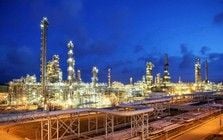
BSR, Binh Son Refining and Petrochemical, also reported strong results, with Q1 revenue around 41,000 billion VND and after-tax profit of 3,347 billion VND. While BSR is not a retailer like Petrolimex or PVOIL, the company’s performance suggests that refining and petrochemical firms can benefit from volatility when operations are stable and product price spreads are favorable.
Reported by Dương Hưng
Tien Phong
Premium gym chains are entering a “golden era” that is ending or already in decline, as rising operating costs collide with shifting consumer preferences toward more flexible, community-based ways to exercise. Long-term memberships are shrinking, margins are pressured by higher rents and facility expenses, and competition from smaller, more personalized…