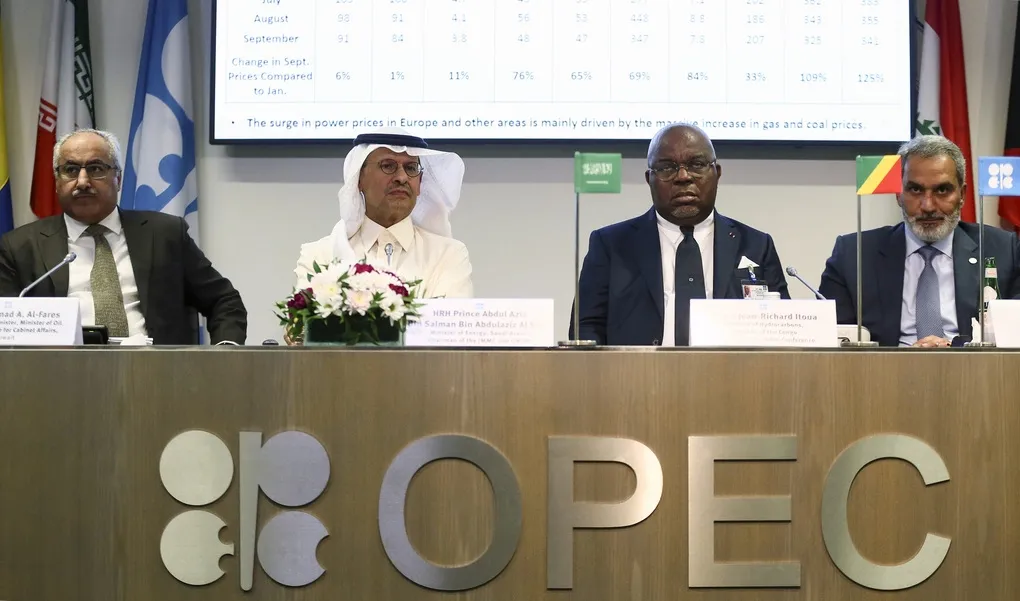
OPEC+ raised oil production for the fifth consecutive month, increasing output by 188,000 barrels per day from August after an online meeting on July 5.
The decision follows a continued pattern of production increases by the group, amid ongoing tensions in the Middle East that disrupt flows through the Hormuz Strait and complicate supply among member countries.
OPEC+ has lifted production for the fifth straight month. Over the past three months, the seven core members have raised output by nearly 800,000 barrels per day, though the adjustment remains partial given persistent regional tensions that can affect supply for Saudi Arabia, Kuwait and Iraq.
The United Arab Emirates left the group in May, reducing the number of members participating in policy decisions on output. The alliance now has 21 members, including Iran.
Official data show May output at 33.13 million barrels per day, down from the previous month. Before the conflict, February output stood at 42.7 million bpd. Production began to recover from June, aided by U.S. efforts to help UAE and other OPEC+ members increase exports, but remains below pre-conflict levels.
Brent crude is near late-February levels, pressured by weaker Chinese imports and higher supply from non-Middle East producers. The drawdown of record strategic oil reserves coordinated by the International Energy Agency has also contributed to lower prices.
Brent is trading around $72 per barrel, while WTI is around $68.
OPEC+ previously cut production in 2022 to prevent a surplus; by April 2025, output by the alliance had gradually risen to regain market share from rivals such as the United States.
OPEC+ has 21 members, including Iran. The core nations participating in output decisions are Saudi Arabia, Iraq, Kuwait, Algeria, Kazakhstan, Russia, Oman, and the UAE, which left the organization in May.
Source: Hà Thu (Reuters, CNBC).
Market attention remains focused on the Hormuz Strait corridor and the pace of demand recovery, with price levels reflecting the balance between restored supply and ongoing geopolitical risk.
“As forecast, the seven core OPEC+ members continue to raise production. In the near term, the focus remains on how many tankers can pass through the Hormuz Strait, how quickly demand for fuel recovers, and what level of crude oil imports China will have,” said Giovanni Staunovo, UBS commodity analyst.