•
•
•
•
•
•
•
•
•
•
•
•
•
•
•
•
•
•
•
•
•
•
•
•
•
•
•
•
•
•
•
•
•


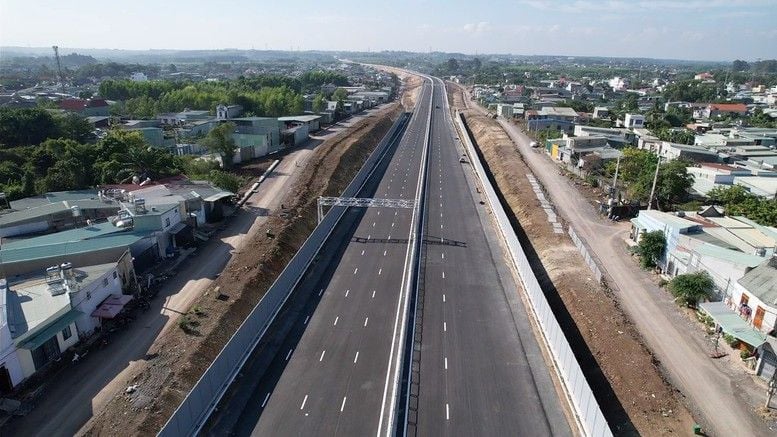
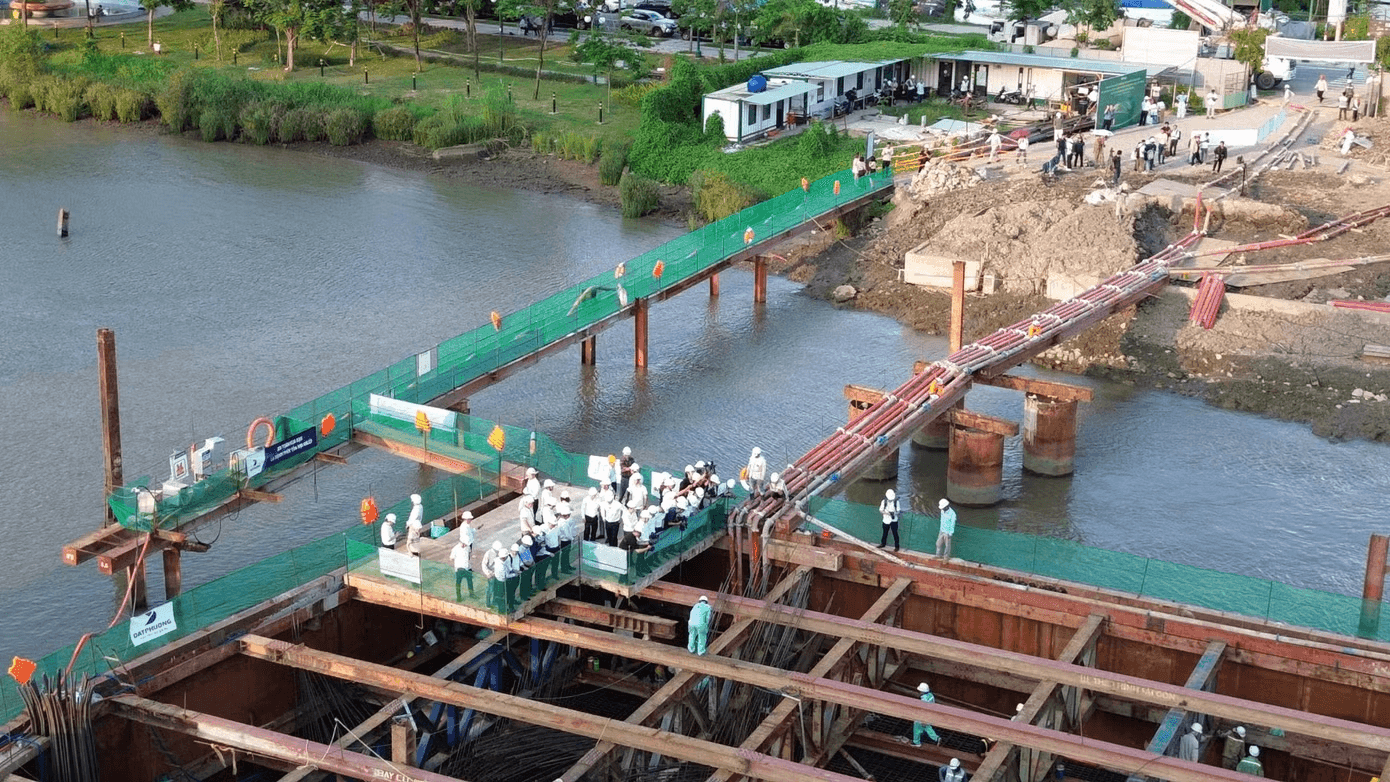
The Ministry of Construction says the country is implementing investments in 38 expressway projects totaling about 2,111 km. Alongside this, more than 3,800 km of expressways have already been put into operation and opened for technical traffic. Road transport continues to play a leading role, accounting for about 70-75% of domestic freight and about 91% of passenger transport. The Ministry directly manages key national routes with regional and international relevance (about 4,875 km, 20%), while local authorities manage more than 70% of the national highway length (about 17,520 km).
Currently, 38 road infrastructure projects are being implemented with a combined length of about 2,111 km. Of these, the Ministry is implementing 8 projects totaling 284 km; local authorities are implementing 29 projects totaling 1,797 km; and Vietnam Expressway Development Investment Corporation (VEC) is implementing 1 project of 30 km.
Priority investment is being given to gateway ports and key sea lanes. In maritime and inland waterways, port infrastructure has been invested in and capacity has increased rapidly, rising from 706.1 million tons in 2021 to 955.5 million tons in 2025. The plan includes 309 ports, with total quay length of about 107 km and 14 offshore ports. The navigational channels, signals and dikes system has also been invested in relatively comprehensively to meet export-import and domestic transport needs.
Inland waterway infrastructure covers about 25,108.6 km of exploitable routes. The Ministry is reviewing and finalizing planning to integrate maritime and inland waterways, prioritizing gateway ports and key channels, and accelerating the completion and quality of port projects including Gemalink Phase 2; Cai Mép Ha; Liên Chiểu; ports 7, 8, 7, 10 Lạch Huyện; and Hon Khoai. It is also strengthening decentralization and local capacity.
The Ministry is accelerating key aviation projects, including Long Thanh International Airport Phase 1; upgrading Ca Mau Airport; upgrading runways at Vinh and Liên Khương; and Phu Quoc International Airport to serve the 2027 APEC summit. It is also upgrading taxiways at Phu Cat Airport.
At the same time, the Ministry is reviewing and updating airport system planning toward a modern, integrated network. It is accelerating key projects, empowering local authorities, expanding international flight networks linked with aviation logistics, digital transformation and the green transition, and enhancing airline capacity while adjusting fleet composition to support faster and sustainable economic growth.
For rail, the Ministry is actively guiding the implementation of Component 2 of the Lào Cai–Hà Nội–Hải Phòng railway project, as well as the Hanoi–Lạng Sơn and Hải Phòng–Hạ Long–Móng Cái lines. It is also guiding investors and localities in land clearance and resettlement.
The Ministry is finalizing a report for the Government on selecting a partner to provide and transfer high-speed rail technology on the North–South axis for approval by competent authorities.
Looking ahead, to achieve GDP growth of 10% or higher in 2026, the Ministry will monitor geopolitical developments in the Middle East and coordinate with relevant agencies to assess impacts and propose solutions to avoid disrupting supply chains, stabilize prices, and maintain project progress across transport, construction materials, and related sectors.
Lam Dong Province is also setting expectations for the Mountain–Forest–Sea tourism axis.
According to Phan Trang.
Premium gym chains are entering a “golden era” that is ending or already in decline, as rising operating costs collide with shifting consumer preferences toward more flexible, community-based ways to exercise. Long-term memberships are shrinking, margins are pressured by higher rents and facility expenses, and competition from smaller, more personalized…