•
•
•
•
•
•
•
•
•
•
•
•
•
•
•
•
•
•
•
•
•
•
•
•
•
•
•
•
•
•
•
•
•


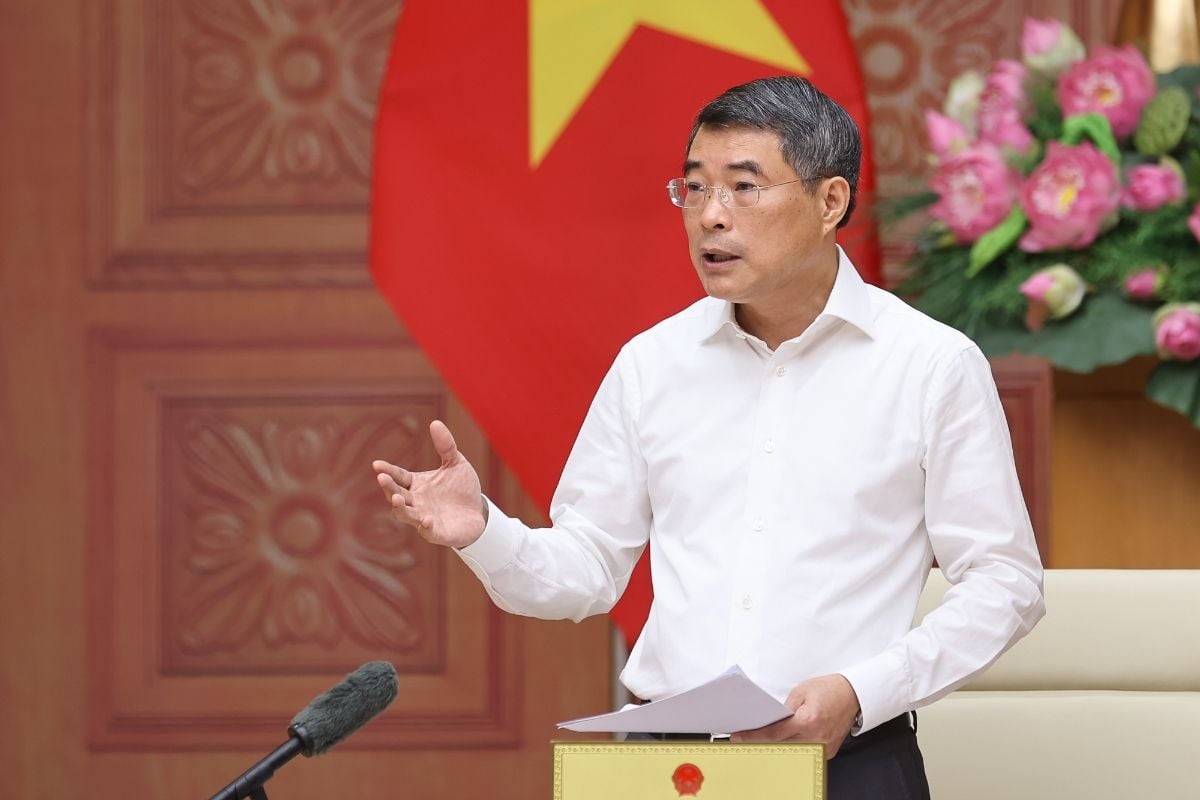
On 29 April 2026, Prime Minister Lê Minh Hưng urged the Ministry of Finance to urgently develop and present a comprehensive reform plan for Vietnam’s financial market in the second quarter of 2026. The goal is to lay the groundwork for mobilizing resources to support a two-digit growth target.
To meet this objective, total social investment is expected to increase by about 1.7–2 times over the 2026–2030 period. The state budget is projected to account for only about 20–22%, creating an urgent need to mobilize resources beyond the budget.
At a meeting with the Ministry of Finance on 29 April, the PM identified three core groups of resources to be mobilized.
The PM directed the Ministry of Finance to coordinate with other ministries and local authorities to implement nine priority tasks in Q2 2026. He also requested a prompt proposal on the distribution of mid-term public investment for 2026–2030, with capital allocation focused on priority areas.
As part of this, the PM set a target to reduce total central-budget-funded projects by at least 30% compared with the 2021–2025 period.
On institutional reform, the PM called for advancing and refining the legal framework and conducting a comprehensive review of regulations in the management domain. Key items include:
The government will also develop an independent, self-reliant economy aligned with international integration, to be completed by Q3 2026. It will coordinate a resolution on a new model of national development based on science and technology, innovation, and digital transformation for consideration by the 3rd Central Committee meeting. In 2026, it will review mechanisms and policies to provide a basis for nationwide institutionalization and replication.
For implementation in Q2, the PM required finalizing the formulation, adjustment, and approval of planning within the national planning system to ensure alignment with the two-digit growth target. He also asked for:
In fiscal management and public investment, the PM emphasized cutting current expenditure and prioritizing development investment. He also called for strengthening discipline, accelerating allocation and disbursement, and conducting full social and economic impact assessments of projects across all phases of investment.
He reiterated the need to promptly implement the mid-term public investment distribution plan for 2026–2030, ensuring concentrated capital and reducing central-budget-funded projects by at least 30% versus 2021–2025.
Regarding the financial market, the PM requested measures to develop the stock market into a medium- and long-term funding channel. He also called for rapid reforms to corporate-bond regulations and stronger oversight to support the operation of an international financial center.
He further directed continued restructuring of the State investment corporation’s operations toward establishing a National Investment Fund, accelerating privatizations to avoid leakage and waste, and proposing measures to attract foreign investment.
In parallel, the PM asked for the comprehensive reform plan for Vietnam’s financial market linked to rapid, sustainable growth to 2045 to be reported to relevant authorities in Q2 2026.
Premium gym chains are entering a “golden era” that is ending or already in decline, as rising operating costs collide with shifting consumer preferences toward more flexible, community-based ways to exercise. Long-term memberships are shrinking, margins are pressured by higher rents and facility expenses, and competition from smaller, more personalized…