•
•
•
•
•
•
•
•
•
•
•
•
•
•
•
•
•
•
•
•
•
•
•
•
•
•
•
•
•
•
•
•
•


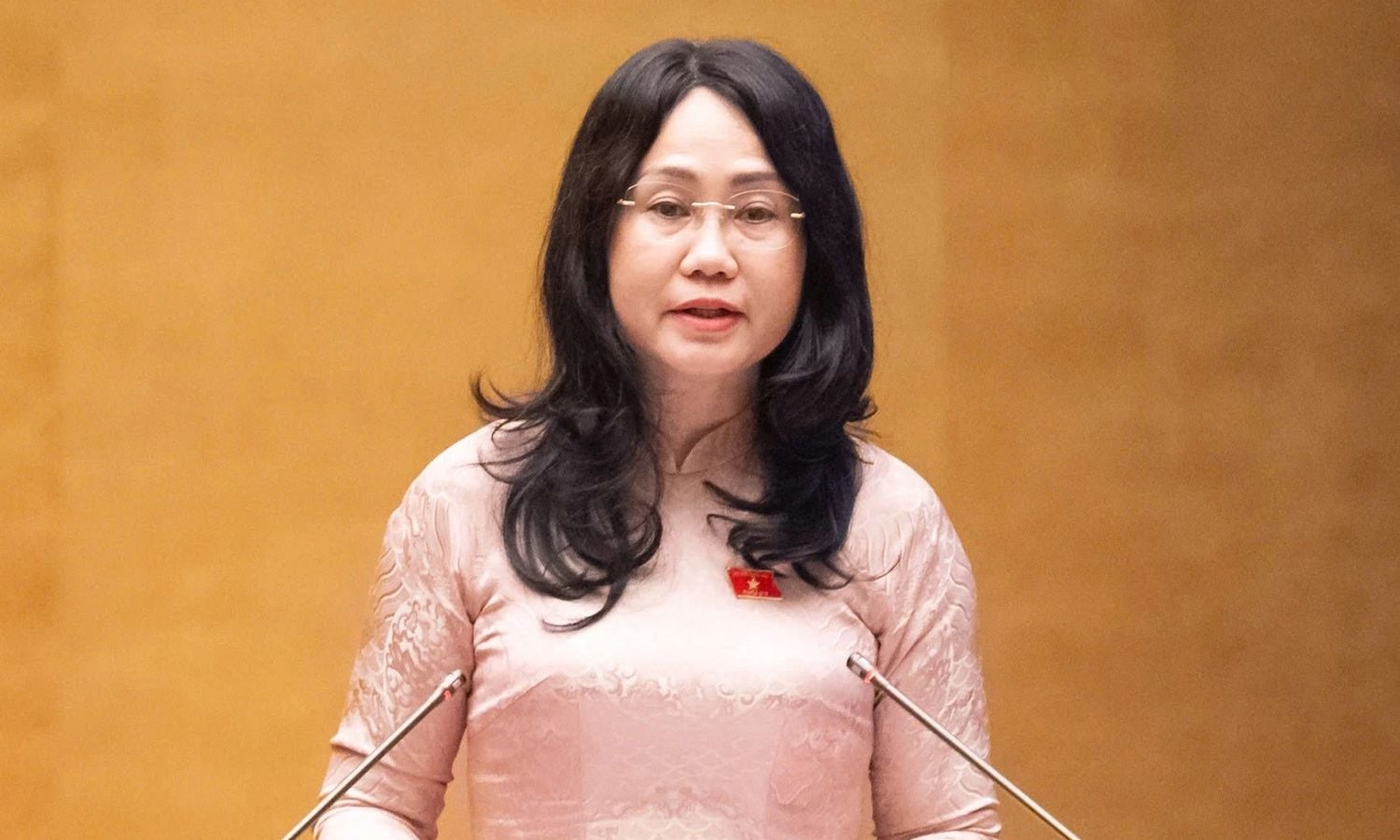
The government has proposed a package of policies to develop culture, attract investment into the cultural sector, and strengthen preservation and promotion of national cultural heritage. The proposals include annual state budget allocation, tax and customs incentives, pilot models for heritage-city development, talent attraction measures, and new funding mechanisms such as a Culture and Arts Fund.
On resources for cultural development, the government proposes that the state allocate annually at least 2% of the total state budget for culture, while encouraging the mobilization of social resources for cultural development.
For investment-attraction policies, the government proposes measures to support access to land and premises. It also proposes tax, fee and levy exemptions to encourage investment in forming cultural-creative clusters, and assigns communities to manage, operate, and use certain basic cultural and sports facilities.
The government proposes a 5% value-added tax rate for film production, distribution, showcasing, exhibitions, sports, and performing arts.
It also proposes 100% exemption from import taxes and customs duties for bringing back high-artworks, national treasures, and rare artifacts from abroad that were purchased at auction for display in Vietnam not for profit.
Additional proposals include piloting a heritage-city model, prioritizing land for cultural, sports, and entertainment projects, and repurposing surplus government offices to attract cultural and sports investment projects.
The government emphasizes focusing on preserving and promoting the value of national cultural heritage.
It also calls for policies to attract and develop specialized talent in culture and sports, including concentrated training domestically and abroad, non-competitive recruitment, increased professional allowances and stipends for artisans and artists, and retraining for career changes when artists retire.
For creative works and dissemination, the government proposes a state-order mechanism for culturally valuable works and the piloting of a lump-sum funding model tied to specific criteria.
The government supports promoting the country’s image abroad through Vietnam Cultural Weeks, expanding the Vietnam neighborhood model, and displaying Vietnam’s cultural heritage at prestigious museums worldwide.
On digital transformation and digital culture infrastructure, it stresses prioritizing the construction of a national cultural database, digital cultural infrastructure, and common platforms. It also proposes digitizing nationally ranked and state-designated heritage and establishing centers for cultural innovation.
The government proposes piloting the establishment of a Culture and Arts Fund at the central and local levels, operating under a public-private partnership model.
It also proposes institutionalizing the Politburo’s policy that November 24 each year is the “Vietnam Culture Day,” with workers taking a paid holiday.
The chair of the Culture and Social Committee, Nguyen Dac Vinh, said the committee agrees with designating November 24 as Vietnam Culture Day and with workers having paid leave. The committee also recommends that the drafting body continue researching and promoting major national days and anniversaries tied to cultural values to broadly disseminate culture and strengthen national identity.
The committee noted the need to clarify terms such as the “heritage city model,” establish clear criteria for piloting land, tax, and fee exemptions, and ensure a feasible roadmap to avoid overreach and maintain investment efficiency and balanced resources.
While supporting policies to attract investment in culture and to reward talent and professional development, the committee urged careful review of beneficiaries and definitions of cultural forms such as “traditional performing arts” and “classical performing arts.”
The committee supports promotion, product development, and market growth in the cultural industry, but questioned the breadth of a policy proposing reimbursement of legitimate costs for foreign organizations operating in Vietnam, including post-production, lodging, and other expenses. It suggested narrowing the scope and tightening criteria, conditions, and monitoring mechanisms to ensure transparency and effectiveness.
The committee said the “Culture and Arts Fund” has political grounding in the Politburo’s Resolution No. 80, but warned that piloting a public-private partnership model and a venture-capital-type fund is a new policy with broad implications, and that existing law may not fully govern such models.
It therefore urged the drafting body to continue a thorough evaluation of organizational structure, governance, capital mobilization, the State-private share, risk allocation, and responsibilities to provide a basis for detailed, lawful, and feasible regulations.
Source: Anh Văn / VTC
Premium gym chains are entering a “golden era” that is ending or already in decline, as rising operating costs collide with shifting consumer preferences toward more flexible, community-based ways to exercise. Long-term memberships are shrinking, margins are pressured by higher rents and facility expenses, and competition from smaller, more personalized…