•
•
•
•
•
•
•
•
•
•
•
•
•
•
•
•
•
•
•
•
•
•
•
•
•
•
•
•
•
•
•
•
•


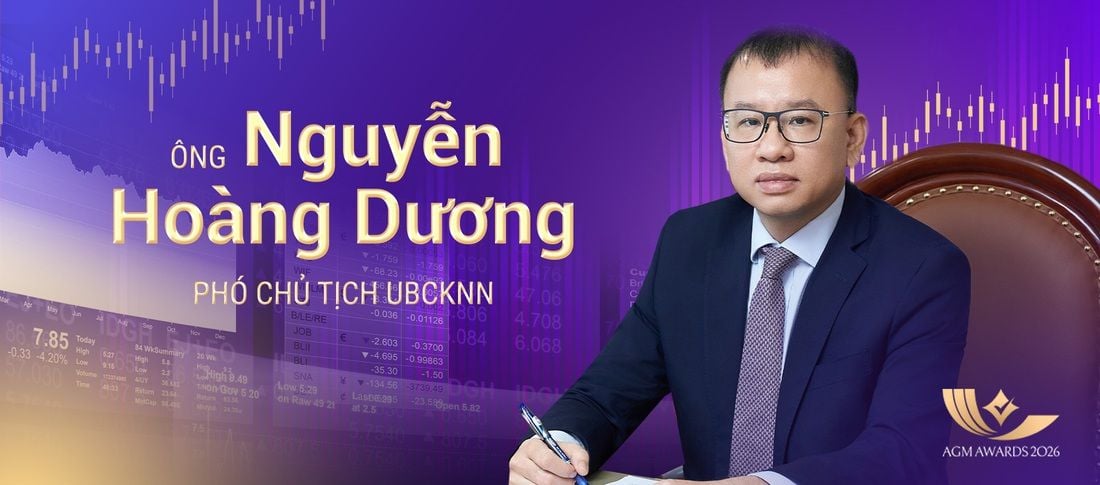
In the corporate governance structure, the annual general meeting (AGM) is the most important institution, bringing together the fundamental rights of shareholders: to be informed, to ask questions, and to decide. This is not only an occasion for the company to announce its business plan, profit distribution, or development strategy, but also a space for direct dialogue between management and investors. There, tough questions are asked, existing issues are clarified, and key decisions are approved by shareholders’ votes. The way a company prepares information, how the leadership answers, and how shareholders’ rights are safeguarded are the most real reflection of governance quality. In the context of Vietnam’s stock market moving toward higher standards, the role of the AGM is elevated. It is no longer just a legal compliance requirement; the meeting has become a 'test' of transparency, accountability, and governance capability — core factors that determine investor confidence and a company’s attractiveness in the capital market. [image placeholder] "Within the context of the stock market stepping into a phase of raising the bar for transparency and governance, from the regulator perspective, how do you view the role of the annual shareholder meeting in strengthening investor confidence?" Mr. Nguyen Hoang Duong: 2026 is identified as a crucial year for the development of Vietnam’s stock market, as the market continues to improve structurally, raise governance quality, and approach international standards. In this process, the AGM holds a particularly important role, not only as a mandatory legal requirement but also as a foundational governance institution that helps strengthen investor confidence and enhance market transparency. First, the AGM is a channel for official disclosure and transparency of information, full and legally binding. Through the AGM, a company presents its development strategy, business plan, profit distribution measures, and major risks. This is a key basis for investors to comprehensively assess the company’s situation and make appropriate investment decisions. Second, the AGM is a direct forum for dialogue between shareholders and the company’s management. When a company actively provides information, fully explains, and timely addresses shareholder concerns, it helps reduce information asymmetry, thereby increasing consensus and strengthening investor confidence in the company. [image placeholder] Third, the AGM is an important mechanism for shareholders to exercise oversight and decide on major issues of the company. Through voting at the AGM, shareholders actively participate in approving development direction, business plans, profit distribution, and matters related to senior management, thereby helping ensure the company operates in line with its direction and aligns stakeholders’ interests. Fourth, in the context of investment trends increasingly focusing on sustainability, the AGM is also a place for the company to demonstrate commitment to corporate governance according to advanced standards, including Environmental, Social, and Governance (ESG) factors. Improving governance quality, strengthening risk management capacity, and pursuing sustainable development will be key factors attracting medium- and long-term capital. The quality of organization and content of the AGM is one of the criteria reflecting governance capabilities, and an important factor in building and maintaining investor trust. Looking ahead, the regulator will continue to refine the legal framework, strengthen supervision to improve the quality of AGM organization, thereby supporting open, transparent, and sustainable development of Vietnam’s stock market. [image placeholder] If you look back 5–10 years ago, information before AGMs was relatively limited and direct dialogue opportunities were few. How would you assess current transparency levels of AGMs compared with that period?" Mr. Nguyen Hoang Duong: Compared with 5–10 years ago, AGM transparency has improved significantly and systematically in several aspects. First, pre-meeting transparency has risen considerably. Under current Enterprise Law and the corporate governance rules for public companies, the company must issue AGM notices and meeting materials to shareholders at least 21 days before the meeting opens. This is the minimum period for shareholders to access and analyze financial data, business strategy, and to cast votes. Secondly, the quality of information and the degree of explanation have improved. It’s not only about disclosure but also about accountability. Another notable change is the widening of channels for outreach and dialogue with shareholders. Compared to the past, shareholder participation opportunities have improved through online meetings, hybrid formats, or allowing questions before the AGM. These changes help increase interaction, especially for retail or remote shareholders, thereby narrowing the gap between the company and investors. Simultaneously, the role of oversight and governance standards has been strengthened. Regulatory framework improvements and regulator oversight create pressure for better compliance. International governance standards are gradually being adopted, contributing to greater transparency. [image placeholder] After improvements in transparency, what are remaining bottlenecks in AGM organization?" Mr. Nguyen Hoang Duong: Besides positive improvements, transparency and the quality of AGM organization are not yet uniform across all firms. Some firms still publish information for counterproductive purposes, explanations may not go deep enough or meet shareholder expectations. The duration of discussion and Q&A at some AGMs is limited, reducing substantive dialogue between shareholders and management. Although online or hybrid AGM formats have begun to be adopted, the number of firms implementing them systematically remains limited. The use of independent third parties to oversee voting — a key factor in boosting transparency — has not been widely adopted. From the regulator’s perspective, to raise the quality of AGM dialogue, companies need to continue improving both content and organization. Preparing comprehensive documents, allocating adequate time for Q&A, and diversifying channels to receive and respond to shareholder opinions will be key factors. At the same time, building a culture of open, substantive exchange also plays an important role in enhancing AGM effectiveness. These positive but uneven trends show that regulators’ role in improving the 'rules of the game', increasing supervision, and closing regulatory gaps remains crucial to raise AGM standards in the coming period. [image placeholder] How is the regulatory framework for AGM organization being advanced to ensure transparency and shareholder rights?" Mr. Nguyen Hoang Duong: 2026 is viewed as a milestone year as Vietnam’s stock market is gradually implementing FTSE upgrade results and moving closer to becoming a MSCI-style emerging market. In this context, how investors, especially international investors, assess firms is also changing noticeably. Previously, financial metrics were the primary concern; now, institutional and major financial players are paying more attention to corporate governance quality. The AGM is one of the key touchpoints for them to observe and evaluate. When foreign capital seeks opportunities in a developing market, they look not only at growth numbers but at how firms operate, how leadership answers tough questions, and how shareholder rights are protected. AGM is where this becomes most evident. Factors such as transparency, a culture of dialogue with shareholders, and ESG commitments demonstrated at AGM are the most reliable signals a firm can send to investors. Moreover, market foundational changes in recent times also facilitate upgrade. The official operation of the Ho Chi Minh City International Financial Center and the Vietnamese Code on Governance (VNCG Code) aligning with G20/OECD standards have helped raise governance standards and make the market more attractive to high-quality international capital. If you had to send a message to the business community this AGM season, what would you emphasize?" Mr. Nguyen Hoang Duong: We believe that companies should re-evaluate the role of corporate governance in long-term development. Governance is not merely a compliance requirement; it is a core factor that enhances competitiveness and access to high-quality capital. AGM, in this context, is not just a duty to fulfill but an opportunity to build trust and convey a company’s vision to shareholders and investors. Proactively sharing information, increasing substantive dialogue, and clearly outlining long-term development directions will be pivotal in establishing market credibility. If the business community collectively adopts this approach, Vietnam’s capital market will have a stronger foundation for sustainable development, increasing its appeal to both domestic and international capital and bringing it closer to emerging-market standards. The AGM Awards 2026 (AGM Awards) program by CafeF aims to honor companies with outstanding AGM organization, high standards, and emphasis on transparency and governance in 2026. The AGM season is entering its peak with a variety of shows. Don’t let your company’s quiet efforts go unnoticed! Companies are urged to submit applications, run, or nominate to gain a chance to showcase innovations in AGM organization and reinforce their investor-brand appeal today. The submission portal closes at 23:59 on 15/05/2026. Article by: Ngoc Ly Design: Hai An Ngoc Ly/ TK: Hai An Market Life [Source: Market Life - Copy link] 04/28/2026 22:00 (GMT +7) Link to original article: https://markettimes.vn/pho-chu-tich-ubcknn-dai-hoi-dong-co-dong-khong-con-la-thu-tuc-ma-la-bai-kiem-tra-niem-tin-cua-doanh-nghiep-truoc-nha-dau-tu-116546.html
Premium gym chains are entering a “golden era” that is ending or already in decline, as rising operating costs collide with shifting consumer preferences toward more flexible, community-based ways to exercise. Long-term memberships are shrinking, margins are pressured by higher rents and facility expenses, and competition from smaller, more personalized…