•
•
•
•
•
•
•
•
•
•
•
•
•
•
•
•
•
•
•
•
•
•
•
•
•
•
•
•
•
•
•
•
•


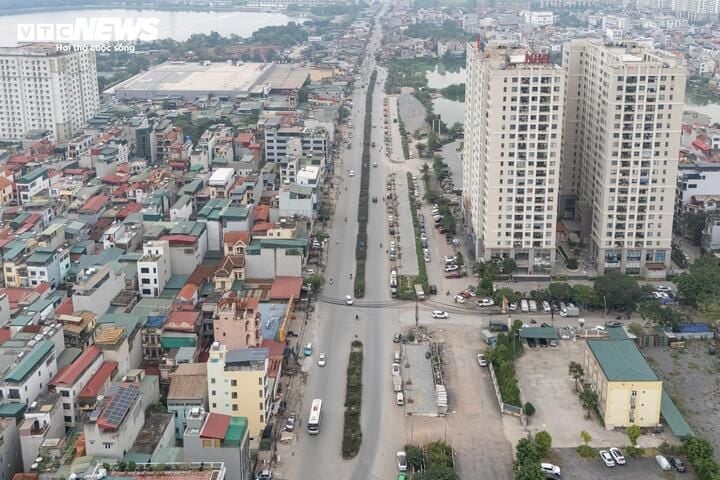
After a long period of delays, the Tam Trinh road expansion project is taking shape, with many works dismantled and the 40-meter road gradually forming. After years of standstill, the project is accelerating progress as site clearance across wards within the project area speeds up, gradually shaping the southern gateway route of Hanoi.
As of May 7, on the Tam Trinh route through Vinh Tuy and Tuong Mai wards, heavy machinery has been mobilized to demolish structures and clear the site to facilitate construction. Along the route, many houses and shops within the clearance area have been dismantled, creating a wider cleared area after years of stagnation.
From the Tam Trinh junction to Belt 2 and toward Belt 2.5, clearance progress is speeding up and the 40-meter-wide road is taking clearer shape. Excavators and trucks are working continuously to dismantle structures, transport debris, and level the ground. Many households have completed moving assets and handed over the site to the contractor for the next construction items.
By now, the Hoang Mai section has completed site clearance. For about 1.4 km of the section through Vinh Tuy and Tuong Mai, final structures are still being dismantled.
One example along Tam Trinh involves a three-story house with a 50 m2 frontage that was demolished. The owner said the family received nearly 2 billion VND in compensation; because the affected area did not have a land title, the support was limited. The owner noted that 15 m2 inside the property was kept, allowing the family to qualify for on-site resettlement. The remaining frontage can still be renovated and rented out.
The Tam Trinh road is described as a key transportation artery in southern Hanoi. Once completed, the project is expected to improve transport infrastructure, reduce congestion, and spur socio-economic development in the area.

Premium gym chains are entering a “golden era” that is ending or already in decline, as rising operating costs collide with shifting consumer preferences toward more flexible, community-based ways to exercise. Long-term memberships are shrinking, margins are pressured by higher rents and facility expenses, and competition from smaller, more personalized…