•
•
•
•
•
•
•
•
•
•
•
•
•
•
•
•
•
•
•
•
•
•
•
•
•
•
•
•
•
•
•
•
•


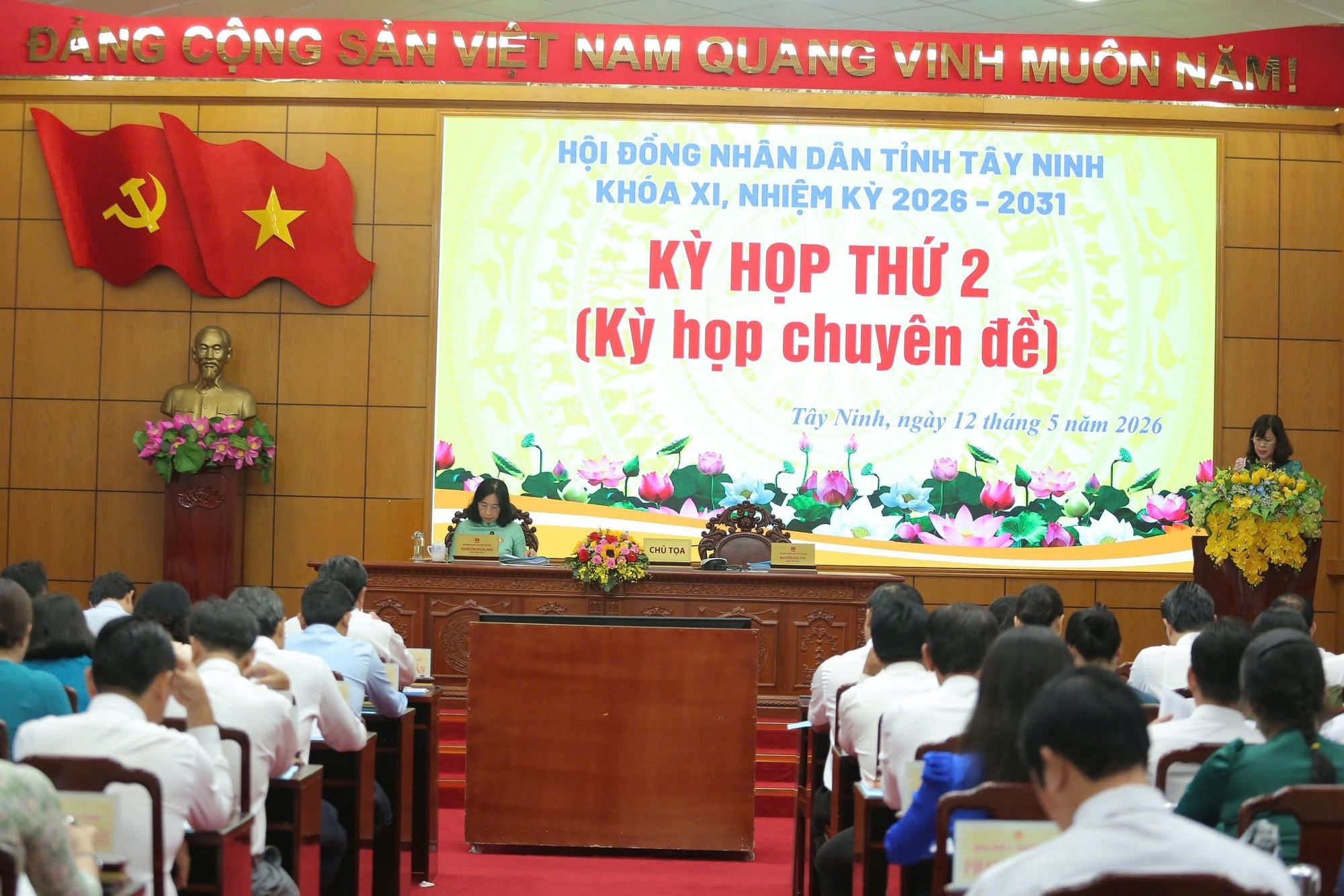
On May 12, 2026, the Tây Ninh Provincial People’s Council held its second meeting of the 11th term in a hybrid format at two venues of the Provincial Party Committee in Tan Ninh Ward and Long An Ward. The council voted to approve the investment policy for the Long An – Tan Ninh corridor project.
Previously, the provincial government submitted a proposal to approve the investment policy for the Long An – Tan Ninh connector project. The province said the project is an urgent transportation initiative intended to improve interregional infrastructure.
At present, connections between the key economic zones of Long An and Tan Ninh rely mainly on National Highways 1 and 22. The province noted that these roads are overloaded, some sections are degraded, congestion is frequent, and safety risks remain.
The new road is expected to be over 110 km long and is anticipated to become a vital traffic artery. The project aims to shorten goods transport time, reduce logistics costs, and support industrial and commercial development along the route.
The project is classified as a Group A transportation project, with total investment of about 20.746 trillion VND. Funding will come from central budget support, the provincial budget, and other legitimate sources under the 2026–2035 public investment plan.
For the main route, most of the alignment is designed for six lanes, with a maximum speed of 80 km/h. Land clearance is planned to be completed in one phase with a width of about 62 meters.
The project will also invest in five resettlement sites in Tan An Ward and in Thu Thua, Duc Hue, Dong Thanh, and My Quý communes to support compensation and resettlement for affected residents. The route passes through Tan An Ward, Long An Town, and the communes of Thu Thua, Binh Duc, Thanh Loi, Duc Hue, Dong Thanh, My Quý, Phuoc Chi, and Ben Cau.
According to the appraisal by the Economic-Budget Committee of the Tây Ninh People’s Council, the project is consistent with the 2021–2030 provincial plan with a vision to 2050. The committee recommended that the council approve the investment policy at its second session of the 11th term.
The plan is to implement the project in 2026–2031. In 2026–2027, the focus will be on investment preparation, land clearance, and resettlement to ensure land is available for construction.
Upon completion, the corridor is expected to relieve pressure on National Highways 1 and 22, shorten goods transport times, reduce logistics costs, and strengthen development linkages between Tây Ninh and the Southeast region.
Premium gym chains are entering a “golden era” that is ending or already in decline, as rising operating costs collide with shifting consumer preferences toward more flexible, community-based ways to exercise. Long-term memberships are shrinking, margins are pressured by higher rents and facility expenses, and competition from smaller, more personalized…