•
•
•
•
•
•
•
•
•
•
•
•
•
•
•
•
•
•
•
•
•
•
•
•
•
•
•
•
•
•
•
•
•


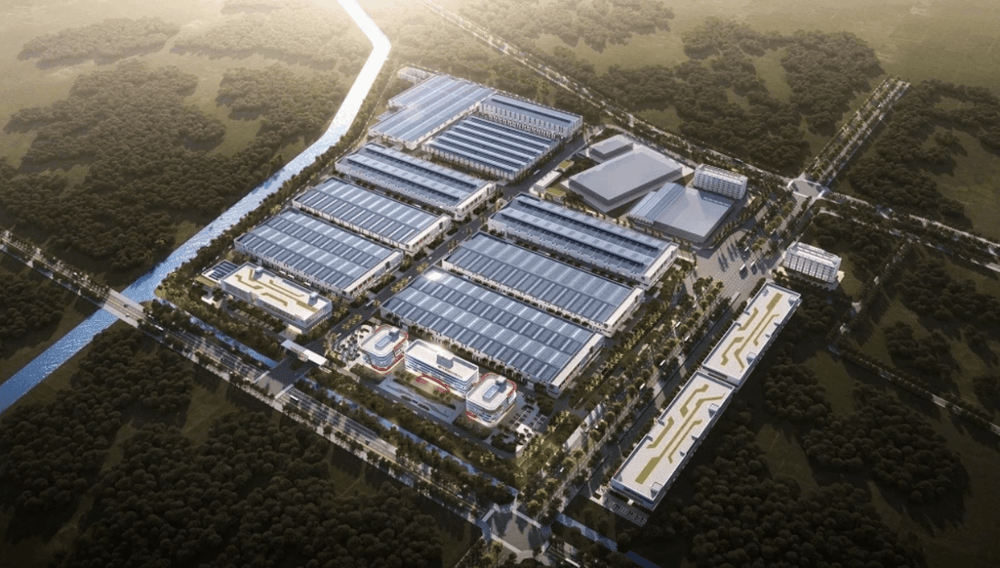
Thanh Hóa is adjusting its industrial development plans to position the province as a leading industrial hub. By 2030, it targets 23 industrial zones within the Nghi Sơn Economic Zone and 21 industrial zones outside Nghi Sơn, alongside 139 industrial clusters, for a total of 17,450 hectares of industrial land.
The province is also rolling out incentives, including tax exemptions, land lease waivers, and support of 20 billion VND per industrial cluster in mountainous areas. These measures are expected to support job creation, accelerate economic growth, and lift property values in the coming years.
Within the Nghi Sơn Economic Zone, Thanh Hóa plans 23 industrial parks, all with a 1/2000 master plan. The developable area is set at 4,500 hectares through 2030, then expanded to 9,500 hectares from after 2030 onward.
Several industrial parks in Nghi Sơn are already operating at full or near-full occupancy, including: IP No. 2 (128 ha), IP No. 13 – Ocean Cement Plant (60 ha), IP No. 14 – Thanh Thanh Cement (60.5 ha), IP No. 15 – Dairy processing plant (165 ha), IP No. 10 – Nghi Sơn BOT Power Plant 1 (277 ha), IP No. 8 – Nghi Sơn Cement (68 ha), and IP No. 7 – Nghi Sơn Refinery (548 ha). Đông Vàng IP (491.9 ha) is reported at 22% occupancy.
Most parks already have investors. New parks, such as Indian Pharmaceuticals (IP No. 20), are seeking investors following a promotion conference on 29 March 2026.
Outside the Nghi Sơn area, Thanh Hóa plans to add 21 industrial parks by 2030. Notable projects include BIM Sơn IP (524 ha, 73% filled), Le Mon IP (84 ha, 100%), Northwest Ga IP (146 ha, 100%), and Hoàng Long IP (43 ha, nearly full). Lam Sơn Sao Vàng IP is awaiting investors.
Industrial parks already underway include Phú Quý (540 ha, expanding to 845 ha after 2030) and the Tây Thanh Hóa City West area (535 ha, expanding to 645 ha after 2030).
Four industrial parks are described as difficult to attract investment: Phong Ninh (450 ha), Ngọc Lạc (150 ha), Thạch Quang (120 ha), and Bãi Tranh (146 ha).
As a result, the area of industrial parks outside Nghi Sơn is expected to reach 5,709 hectares by 2030, rising to 7,950 hectares after 2030. Combined with the overall plan, Thanh Hóa targets 17,450 hectares of industrial land in total, reflecting an effort to build a large industrial ecosystem to welcome incoming investment.
Thanh Hóa currently has 45 industrial clusters in operation, with secondary investors leasing land to build factories. On average, each new commune in the province has 1–2 industrial clusters, indicating a widely distributed manufacturing network across regions.
By 2030, Thanh Hóa is expected to have about 139 industrial clusters with a total area of 6,426 hectares. The province is described as one of the localities with the densest industrial cluster concentration in the country.
With the current pace of industrialization, the province expects that within a few years hundreds of thousands to 1 million jobs will be created. It also expects residents’ incomes to rise, supporting poverty reduction and improved living standards.
Thanh Hóa’s new development cycle is designed to attract foreign direct investment (FDI) through special incentives, including tax exemptions, land rent waivers, 20 billion VND per industrial cluster in mountainous communes, and 2 billion VND for each investor leasing land in mountainous industrial clusters.
The province is also simplifying investment procedures to create a more open and attractive business environment. The plan anticipates that industrial clusters, industrial parks, and factories will expand in the coming years, supporting stronger economic growth, higher tax revenue, and more modern, synchronized infrastructure.
In addition, the real estate market is expected to rise in line with industrial development, creating investment opportunities for both domestic and foreign investors.
Premium gym chains are entering a “golden era” that is ending or already in decline, as rising operating costs collide with shifting consumer preferences toward more flexible, community-based ways to exercise. Long-term memberships are shrinking, margins are pressured by higher rents and facility expenses, and competition from smaller, more personalized…