•
•
•
•
•
•
•
•
•
•
•
•
•
•
•
•
•
•
•
•
•
•
•
•
•
•
•
•
•
•
•
•
•


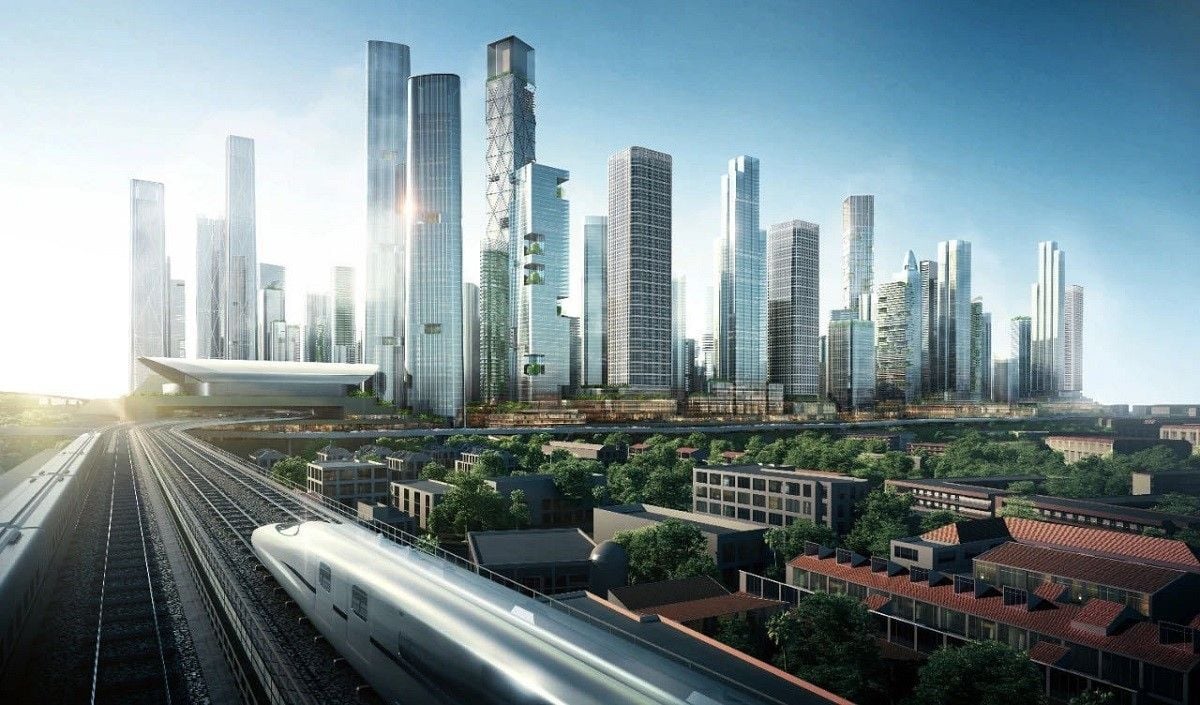
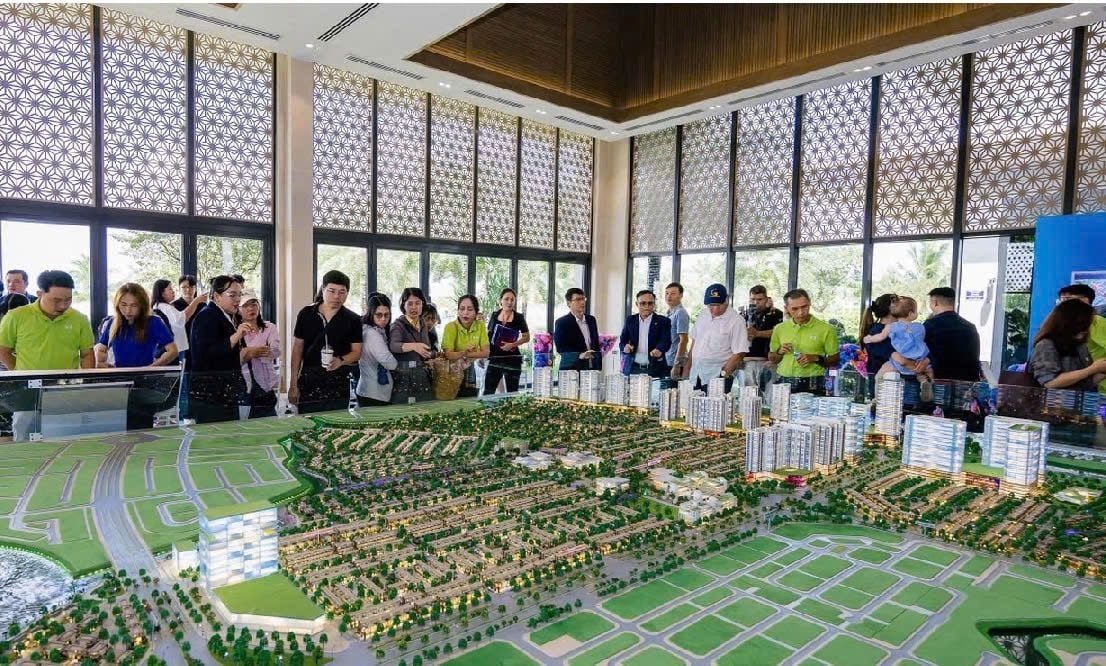
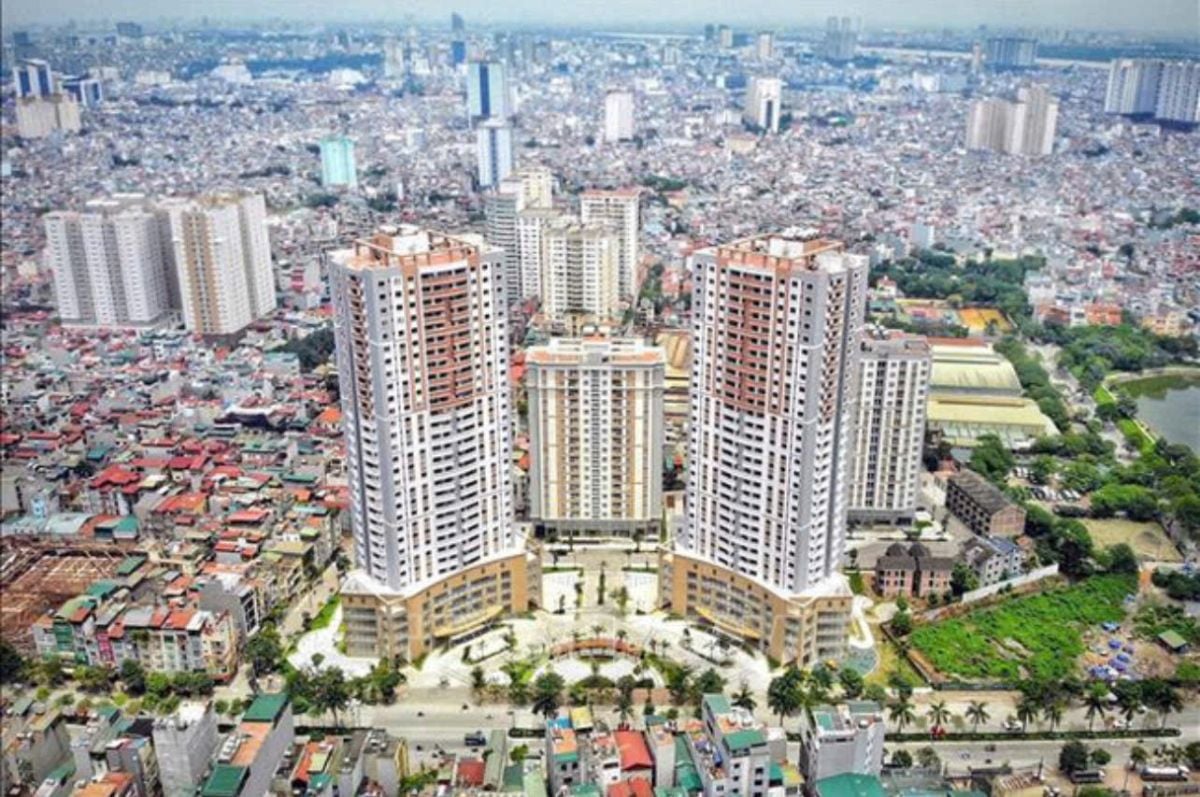
Transit-oriented development (TOD) is being positioned as an alternative to the “urban sprawl” model, which is associated with uncontrolled expansion that can strain infrastructure and the environment. Instead, TOD concentrates high-density urban growth around key transport nodes such as expressways, beltways, and transfer centers, reorganizing urban form into more efficient configurations.
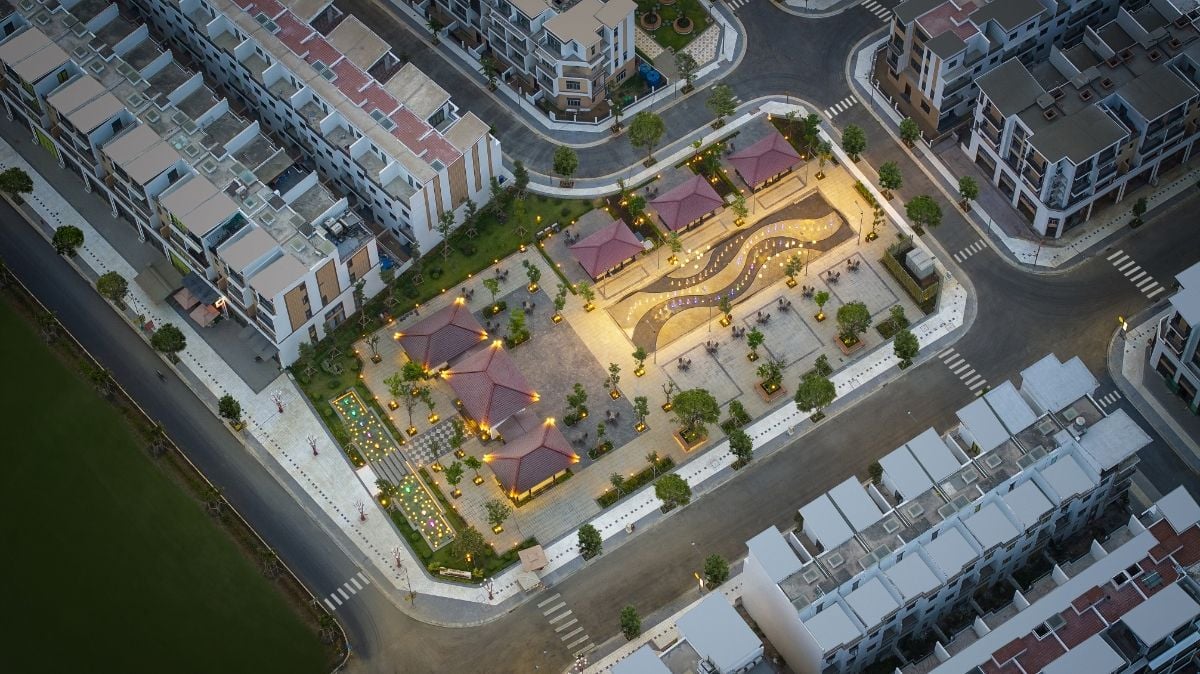
By reshaping how cities are planned around transport, TOD supports the “15-minute city” concept—allowing residents to reach essential amenities within short distances. The model is also described as increasingly attractive to professionals and intellectuals who prioritize quality of life and are willing to pay a premium for convenience.
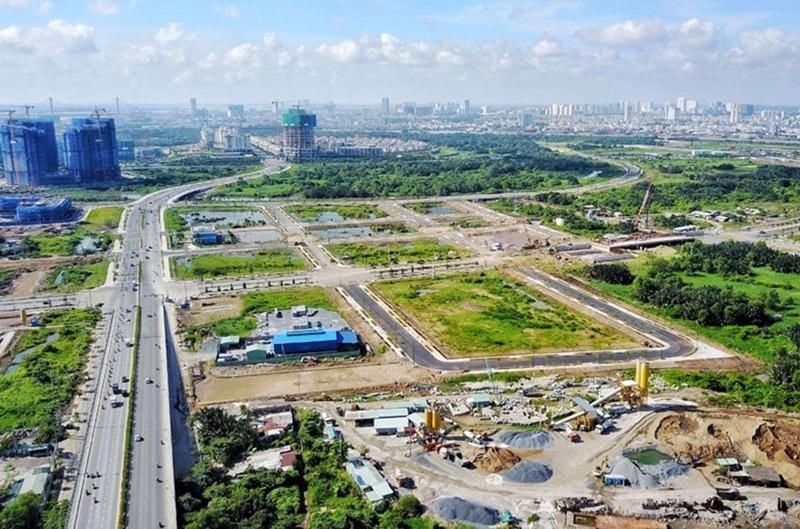
A key differentiator for the northern area is the ability to implement TOD from the outset, rather than relying on later infrastructure upgrades. The Bac Tan Uyên – Phú Giáo – Bàu Bàng development corridor, together with transport axes including the Ho Chi Minh City–Chơn Thành Expressway, National Route 13, and DT.741, is gradually forming an interconnected network. This is presented as a foundation for integrated, TOD-oriented urban settlements.
Industrial development and foreign direct investment (FDI) inflows are also highlighted as major demand drivers. Large industrial parks—VSIP II, VSIP III, VSIP 4, and Tam Lập—are described as supporting economic growth while attracting demand for higher-quality housing from professionals, engineers, and skilled workers.
As satellite cities near Ho Chi Minh City—such as Thuận An, Di An, and Thu Duc City—approach density thresholds, migration toward emerging areas is becoming more pronounced. The northern region is emerging as an alternative destination due to abundant land, flat terrain, and a comparatively healthier living environment.
Improved transport infrastructure under TOD is also cited as reducing travel times to central Ho Chi Minh City, strengthening regional connectivity. At the same time, real estate prices are described as remaining in a relatively lower tier, which is presented as creating opportunities for workers to buy homes and supporting more diverse, stable communities.
The article notes that transport infrastructure has consistently influenced real estate price movements. As an example, along Metro Line 1 (Ben Thanh – Suoi Tien), property values are said to have risen by about 150% to 200% during the development and completion phase.
In this context, highways and strategic transport corridors in the northern region are likened to “road-based metro lines.” With these projects operating in a synchronized manner, areas at junctions or cores of TOD connections are expected to establish a new price level, reflecting their future role as economic and administrative centers.
The northern Ho Chi Minh City region is described as entering a transformation period, attracting both capital and residents seeking longer-term places to live and work. With systematic planning aligned to TOD, the area is expected to become a new growth pole and contribute to a sustainable cycle in the Ho Chi Minh City real estate market.

Premium gym chains are entering a “golden era” that is ending or already in decline, as rising operating costs collide with shifting consumer preferences toward more flexible, community-based ways to exercise. Long-term memberships are shrinking, margins are pressured by higher rents and facility expenses, and competition from smaller, more personalized…