•
•
•
•
•
•
•
•
•
•
•
•
•
•
•
•
•
•
•
•
•
•
•
•
•
•
•
•
•
•
•
•
•


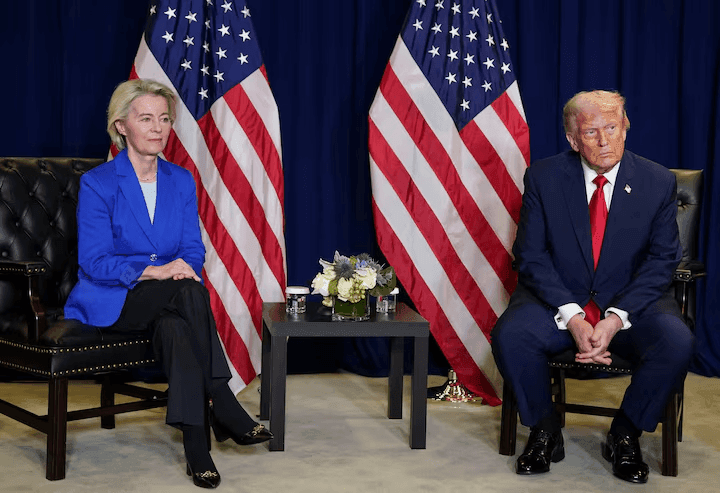
President Donald Trump said on Thursday, May 7, that he would give the European Union until July 4 to implement the commitments in the US-EU trade agreement. He warned that if the EU does not meet the deadline, the United States will raise tariffs on goods imported from the bloc, including cars, to “a much higher level.” In a Truth Social post, Trump said the new deadline was set during a telephone call he described as “very nice” with European Commission President Ursula von der Leyen. He also said the two sides agreed that Iran must not possess a nuclear weapon.
The statement followed Trump’s announcement last Friday that the US would raise tariffs on imported cars from the EU to 25%, up from the 15% previously agreed. Trump said the EU had not properly implemented the terms of the trade deal reached between the two sides in Turnberry, Scotland, last July.
Under the agreement, the EU would reduce tariffs on US industrial goods to 0% and grant tariff-free quotas for some American agricultural products and seafood. Trump and US officials pointed to delays in the EU’s process of passing the legal texts needed to implement the deal in the European Parliament.
Trump wrote that he had been “patient” while waiting for the EU to fulfill its part of the “historic trade deal.” He said the EU has committed to reducing tariffs to 0% in line with the agreement and said he was willing to extend the deadline for von der Leyen until the United States marks its 250th anniversary. He added that if the EU does not comply by July 4, tariffs on EU goods would “immediately rise to a much higher level,” referring to US Independence Day.
On May 7, von der Leyen said on X that she had spoken with Trump about the trade agreement. She wrote that both sides remain committed to fully implementing the agreement and that both sides are making progress on reducing tariffs by early July.
Bernd Lange, chairman of the European Parliament’s Trade Committee, said on May 7 that EU lawmakers and governments in the bloc’s 27 member states are making progress on completing steps needed to remove tariffs on US goods under the deal. However, he said the process still requires more time because some EU members want to add safeguard mechanisms.
Lange said some MPs want tighter safeguard provisions in the legal texts, including proposals that would allow the EU to suspend the agreement if the US fails to meet commitments, reduce tariffs only if the US takes corresponding actions, and terminate all tariff concessions on March 31, 2028.
Earlier on Wednesday, May 6, US Trade Representative Jamieson Greer said the EU “has missed the deadline” to implement the deal. He also said the US could apply additional measures besides raising tariffs on cars if the EU does not meet commitments. Greer told Bloomberg Television that “Cars are only part,” adding that the agreement covers other areas that the US continues to fully adhere to while Europe has not done so “for many months.”
EU officials are expected to continue a meeting on May 19 to discuss remaining issues in implementing the US-EU trade deal.
Premium gym chains are entering a “golden era” that is ending or already in decline, as rising operating costs collide with shifting consumer preferences toward more flexible, community-based ways to exercise. Long-term memberships are shrinking, margins are pressured by higher rents and facility expenses, and competition from smaller, more personalized…