•
•
•
•
•
•
•
•
•
•
•
•
•
•
•
•
•
•
•
•
•
•
•
•
•
•
•
•
•
•
•
•
•


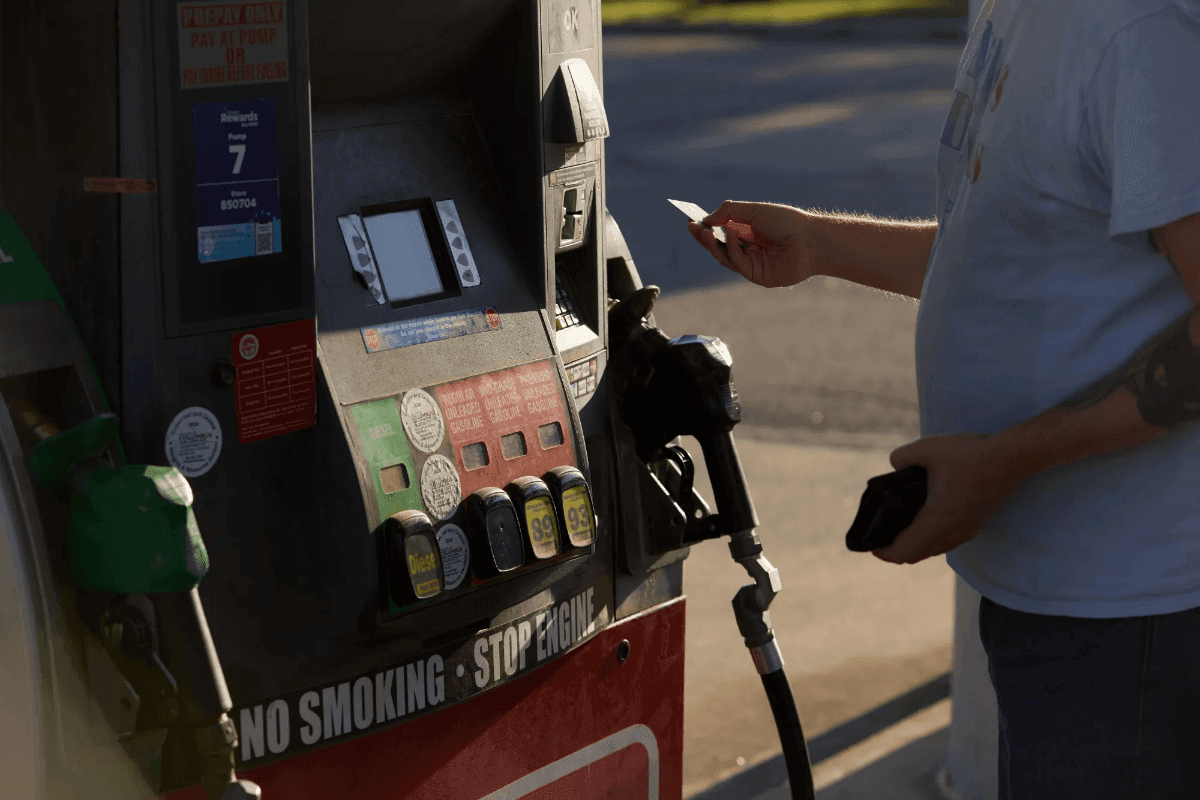
Gas price increases are becoming a major challenge for small, independent gas stations in the United States, particularly in places like Sonoma Valley, California.
Chris Bambury’s family has been in the gasoline business in Sonoma Valley for more than 100 years, but they have never faced gasoline prices this high. The pressure is felt not only by consumers but also by station owners, many of whom operate as small businesses rather than large oil companies that own branded stations.
At Bambury’s two stations, the price of gas is usually about $6.29 per gallon, slightly below the county average of $6.36 per gallon, according to AAA. Bambury said that before the war began in late February, when tensions in the Hormuz Strait escalated, he was selling gasoline for $4.79 per gallon and the stations were operating normally.
While many customers understand that the war and related tensions have affected gasoline prices, Bambury still needs to maintain profitability to keep the business afloat. He said his business cannot survive if it incurs losses.
Beyond wholesale gasoline costs, station owners face additional cost pressures. Bambury noted that credit-card fees and fuel transportation costs are higher than earlier this year, while labor costs continue to rise from the earlier price increase in 2022.
According to Jeff Lenard, spokesman for the National Convenience Store Association, the average gap between wholesale and retail gasoline prices today is about 22 cents per gallon. While the difference may appear small, it must cover other operating costs, leaving station owners barely breaking even.
Lenard also said the gross profit margin on gasoline operations over the past five years has averaged about 38.3 cents per gallon.
Even if wholesale gasoline prices begin to ease, retail prices typically take time to adjust. Station owners often lower prices gradually to recover profit lost during periods of rising costs.
A similar situation has been reported in Nutley, New Jersey. Harry Singh, who has owned a gas station since 2009, said he is considering stopping gasoline sales and focusing only on auto repair services. Singh said that if gasoline prices remain high for another two or three months, he will begin losing money on fuel sales.
Singh said his station sells below the local market average, but he is still losing customers to a nearby Costco offering cheaper gasoline. He added that even regular customers are buying less than before the Iran war broke out, pumping only about $20 or $30 per visit instead of filling up as much as before.
In Minneapolis, station owner Lonnie McQuirter has also seen sales decline after authorities intensified immigration and customs enforcement, which reduced driving activity. McQuirter, who bought his station at age 19 and will mark 21 years in business next month, said the volatility in wholesale prices has made cash flow management difficult.
He said there were days last week when wholesale gasoline prices rose more than 20 cents per gallon. McQuirter tries to balance his costs with retail pricing he believes customers can afford.
“You understand that people are struggling to make ends meet and to live,” he said.
Premium gym chains are entering a “golden era” that is ending or already in decline, as rising operating costs collide with shifting consumer preferences toward more flexible, community-based ways to exercise. Long-term memberships are shrinking, margins are pressured by higher rents and facility expenses, and competition from smaller, more personalized…