•
•
•
•
•
•
•
•
•
•
•
•
•
•
•
•
•
•
•
•
•
•
•
•
•
•
•
•
•
•
•
•
•


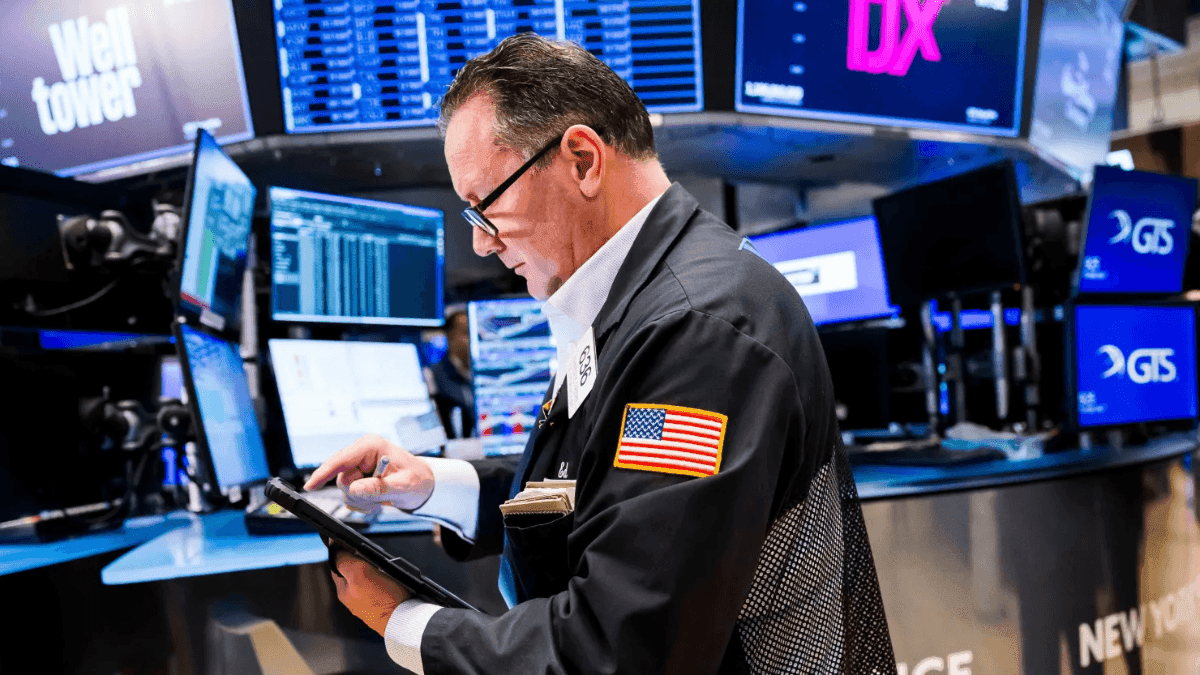
The U.S. stock market closed on Tuesday, May 12, in a mixed session as the S&P 500 and Nasdaq slipped after a string of gains in chip stocks. Inflation concerns near a three-year high and rising oil prices added to the pressure.
At the close, the S&P 500 fell 0.16% to 7,400.96, while the Nasdaq dropped 0.71% to 26,088.2. The Dow Jones Industrial Average rose 56.09 points, or 0.11%, to finish at 49,760.56. Earlier, both indices had posted intraday records on Monday.
Technology shares, particularly chipmakers, faced profit-taking after recent gains. Micron fell 3.6% after rising 37% last week and 53% in the prior month. AMD and Qualcomm declined 2% and 11%, respectively. In April, AMD surged more than 74% and Qualcomm more than 39%.
Inflation concerns weighed on investors after a Labor Department report showed April CPI up 3.8% year over year, the highest reading since May 2023 and about a percentage point above analysts’ expectations. The data pushed back expectations for Federal Reserve rate cuts this year.
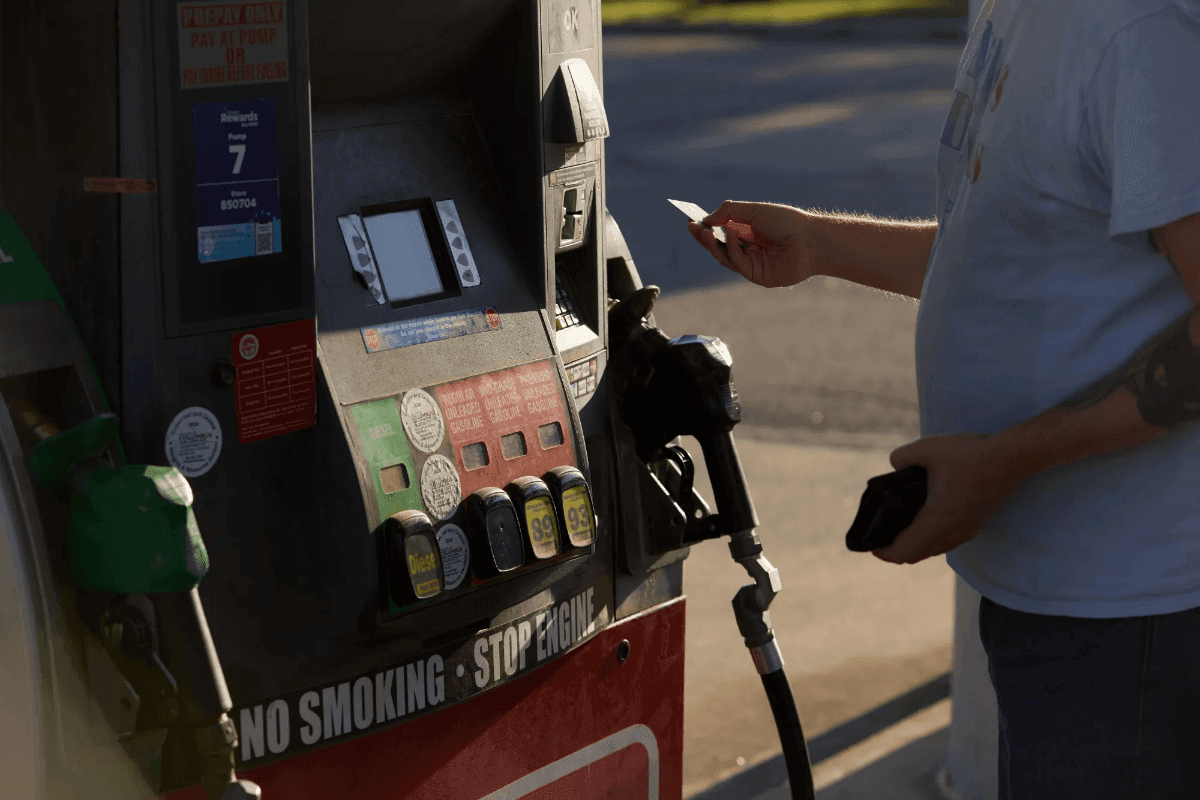
Oil prices rose further as the outlook for a quick U.S.–Iran peace agreement faded. Brent crude settled near $108 per barrel, up 3.4%, and WTI settled near $102.2 per barrel, up 4.2%.
With high energy prices, Wall Street traders are monitoring the potential impact of the U.S.–Iran conflict on inflation and consumption, described as two-thirds of the U.S. economy. On Wednesday, May 13, the Labor Department will publish another inflation report, the Producer Price Index (PPI).
"Inflation hasn't exploded yet, but it is rising steadily," said Thomas Martin, senior portfolio manager at Globalt Investments, in an interview with CNBC. He expects inflation in the U.S. "to continue higher" if the Middle East conflict persists and U.S.–Iran negotiations stall.
"When gasoline and other goods rise, more people will feel the pressure. The practical consequence is that consumers will face hardship," Martin said.
Amos Hochstein, a former senior energy adviser to President Biden, said progress on the U.S.–Iran issue is unlikely this week as President Trump plans a trip to China on May 14–15, including a meeting with President Xi Jinping.
"We are witnessing a stalemate, a frozen conflict. There is no active fighting, the Hormuz Strait remains closed, and oil flows remain disrupted," Hochstein told CNBC. He also predicted that oil will stay high in the $90–$100 per barrel range for the rest of this year and into 2027, even if Hormuz reopens in early June.
Hochstein warned that global oil supply would shrink sharply if the U.S. and Iran do not reach an agreement before the end of June.
Since the start of the U.S.–Iran conflict on Feb. 28, WTI and Brent have risen more than 45%.
Premium gym chains are entering a “golden era” that is ending or already in decline, as rising operating costs collide with shifting consumer preferences toward more flexible, community-based ways to exercise. Long-term memberships are shrinking, margins are pressured by higher rents and facility expenses, and competition from smaller, more personalized…