•
•
•
•
•
•
•
•
•
•
•
•
•
•
•
•
•
•
•
•
•
•
•
•
•
•
•
•
•
•
•
•
•


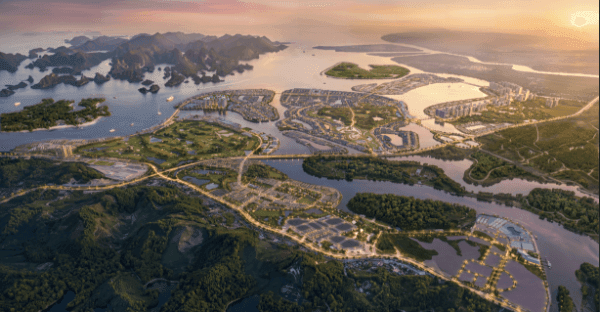
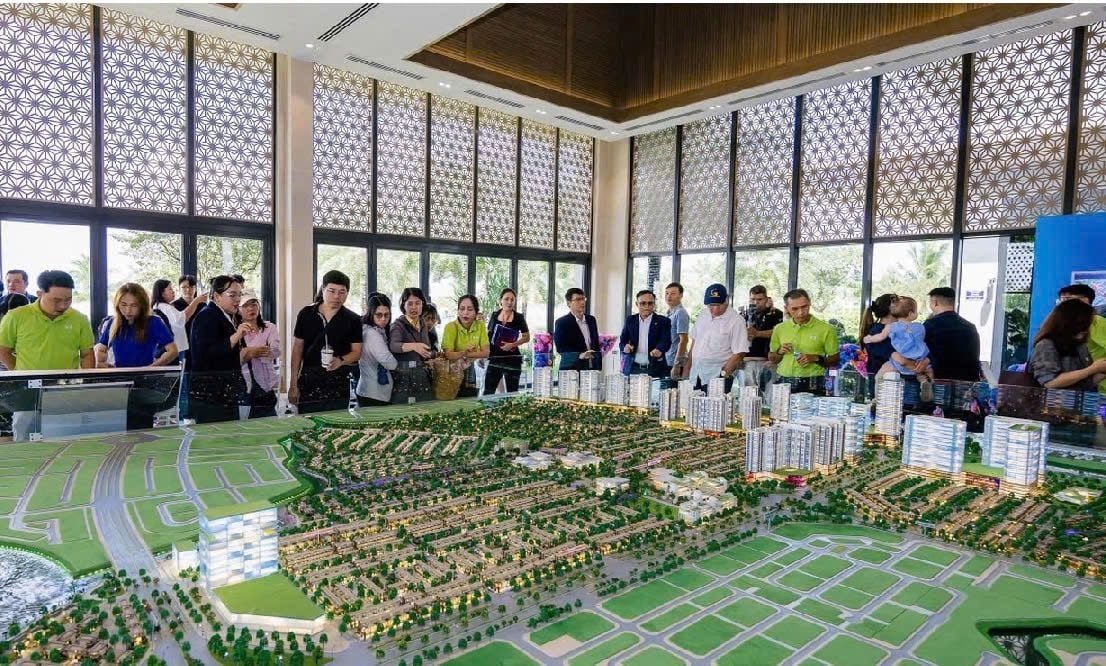
Vietnam is set to host what Vinhomes describes as the world’s first ESG mega-city designed to meet the ISO 37125 standard for sustainable urban development. The Vinhomes Global Gate Ha Long sea mega-city covers over 6,200 hectares with an investment of about USD 18 billion, positioned beside UNESCO-recognized Ha Long Bay and intended to provide integrated standards for living, working, leisure and entertainment.
On April 25, 2026, Vinhomes Joint Stock Company officially unveiled the project in Quảng Ninh. The mega-city is located along the Hanoi–Hai Phong–Quang Ninh Expressway and faces the depot station of the Hanoi–Quang Ninh high-speed rail line. When the rail line becomes operational, the travel time from the project to the capital is expected to be 23 minutes, with an early-resident fare of 5 million VND per month for unlimited trips.
At the unveiling, Ms. Nguyễn Thu Hằng, General Director of Vinhomes, said the project is oriented to become the world’s first city meeting the ISO 37125 standard. ISO 37125 is the latest international standard for sustainable urban development, issued by ISO in October 2024, and requires an integrated approach across three pillars: environment, society and governance (ESG).
Vinhomes said the project is designed to build a living ecosystem that is green in environmental terms, clean in air quality, and balanced in physical and mental well-being.
With a scale of over 6,200 hectares and an investment plan aimed at building nearly a dozen interlinked ecosystems of international-standard amenities, Vinhomes Global Gate Ha Long is intended to form a livable urban destination.
The housing ecosystem includes villas, semis, townhouses and luxury apartments, divided into six main zones: Paradise Bay, Festival Bay, Wonder Island, Green Energy Bay, Premium Green Island and Sports Essence Island. Vinhomes said it is the only project using an “island in the city” model, transforming three small islands with four sides adjacent to the sea into living and resort spaces: New Horizon Island, Diamond Island and Pearl Island.
The resort-entertainment ecosystem is planned with high-end hotels and resorts managed by top international brands, a casino complex, and a 12-course golf complex covering 950 hectares. The plan also includes an 800-hectare mangrove forest fishing park and the Wonder Marina.
For cultural and events programming, the project includes an outdoor sea-facing stage with more than 60,000 seats, Wonder Theatre with 3,000 seats, VinWonders on 81 hectares featuring the world’s largest aquarium, and an international events and conferences center with more than 4,500 seats. A Vietnamese Culture and Cuisine Village is planned on 18.5 hectares.
A 24/7 shopping–dining–lifestyle ecosystem is planned with a chain of luxury outlets, Vincom Mega Mall, Vincom Collection retail streets, VinBeauty on 2.4 hectares, and additional retail and lifestyle offerings.
Vinhomes said the sports ecosystem is the first of its kind in Vietnam, featuring a 13.3-hectare Sports District within the Sports Essence Island area of over 900 hectares. The plan also includes a Professional Sports Academy and more than 50 kilometers of cycling paths across the project.
The health ecosystem includes the Vinmec Cleveland Clinic International Hospital on 14 hectares, the nation’s largest Vin New Horizon elder care center, the Minh Triết Academy, and a Golden Residence retirement villa area.
The education ecosystem is planned to include the Vinschool system, an American International School, other private and public schools, and the Wonder Young Hub for youth development under a “one destination – many needs” model.
Vinhomes said the project is also designed as a leading economic–financial–commercial hub for Vietnam and the region, with 30–45 story office towers.
Vinhomes said the project leverages existing natural beauty, green spaces, water bodies and mangrove forests, covering over 2,500 hectares of greenery. It also cites 680 hectares of natural sea, 200 kilometers of coastline, and more than 660 hectares of Globe Park Ha Long as part of the plan to build a green, regenerative and sustainable mega-city aligned with ISO 37125 standards.
The unveiling also places the project within a wider discussion on real estate economics and policy, alongside digital transformation and ESG integration in the sector.

Premium gym chains are entering a “golden era” that is ending or already in decline, as rising operating costs collide with shifting consumer preferences toward more flexible, community-based ways to exercise. Long-term memberships are shrinking, margins are pressured by higher rents and facility expenses, and competition from smaller, more personalized…