•
•
•
•
•
•
•
•
•
•
•
•
•
•
•
•
•
•
•
•
•
•
•
•
•
•
•
•
•
•
•
•
•



The Ministry of Industry and Trade has announced significant changes to Vietnam’s gasoline and oil price management. Circular No. 21/2026/TT-BCT, issued on April 28, 2026, repeals part of Clause 2 of Article 1 of Circular No. 18/2025/TT-BCT on the gasoline and oil business.
Under Circular 21, the term “dầu hỏa” (heating oil) will be removed from Clause 2, Article 1 of Circular 18/2025. The circular takes effect from April 29, 2026. As a result, heating oil will no longer fall within the scope of price regulation under periodic price management from the following day.
Circular 21 is issued pursuant to the Law on Issuance of Normative Documents No. 64/2025/QH13 (as amended) and Decree No. 40/2025/ND-CP, along with other relevant amendments. The circular also cites Decree No. 83/2014/ND-CP (as amended). It further references Conclusion 14-KL/TW of the Politburo dated March 20, 2026 on ensuring energy supply and stabilizing fuel prices amid market volatility.
According to the implementation context described in the article, heating oil has not appeared in the price base lists in practice. The reasons given include low consumption, at about 0.25% of total fuel consumption, and reduced household demand as electricity and other fuels have increasingly been used.
The article also notes that continuing to classify heating oil as a common consumer item for price announcements is no longer appropriate. If heating oil remained in the list, price movements could trigger price regulation during sharp swings (for example, when changes exceed 15%), potentially affecting price levels, inflation, and business operations. The removal is presented as timely, supporting more flexible and realistic price governance without unnecessary volatility.
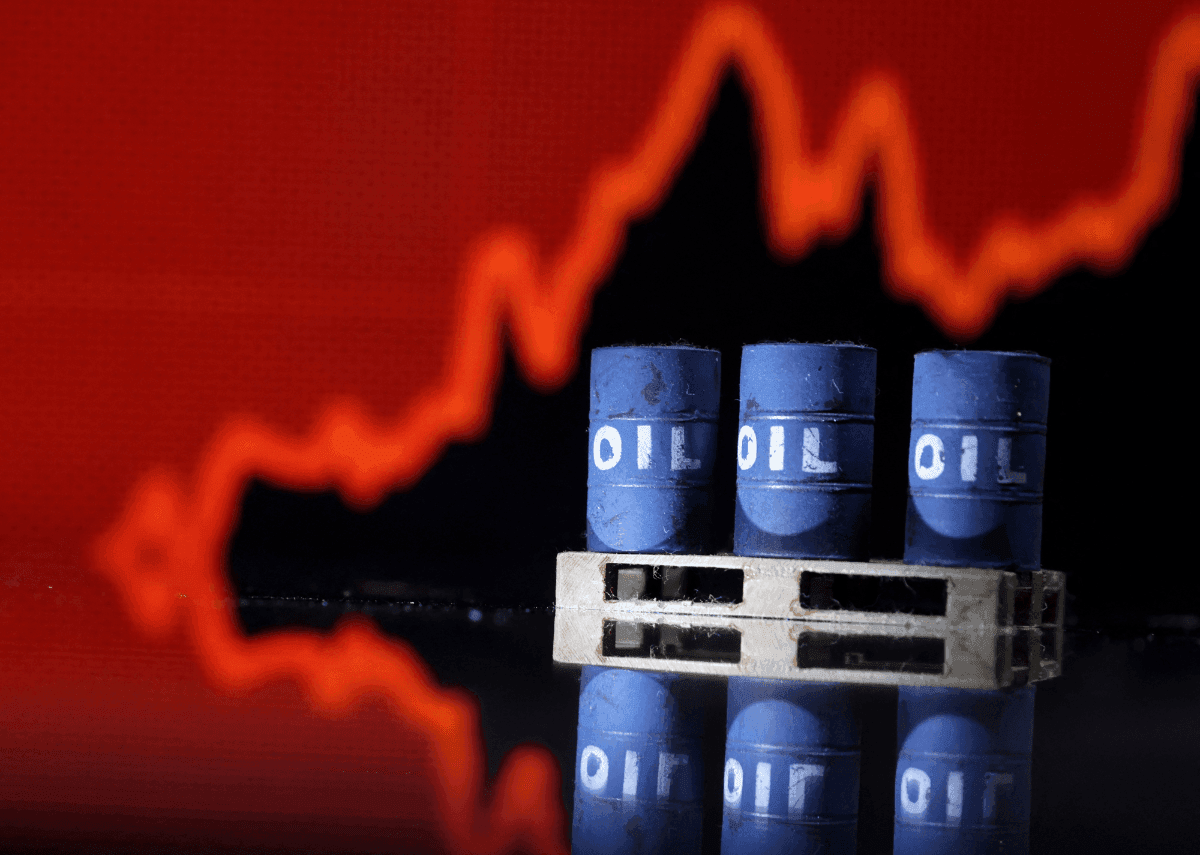
Since late February, Vietnam has carried out 18 fuel price adjustment cycles. Most increases occurred in March, while decreases have been recorded since early April.
Current reference prices cited in the article are:
The latest adjustment cycle announced after 3 PM on April 23 allocated 400 đồng per liter for diesel and 400 đồng per kg for mazut, with no allocated funds for any gasoline items.




Premium gym chains are entering a “golden era” that is ending or already in decline, as rising operating costs collide with shifting consumer preferences toward more flexible, community-based ways to exercise. Long-term memberships are shrinking, margins are pressured by higher rents and facility expenses, and competition from smaller, more personalized…