•
•
•
•
•
•
•
•
•
•
•
•
•
•
•
•
•
•
•
•
•
•
•
•
•
•
•
•
•
•
•
•
•


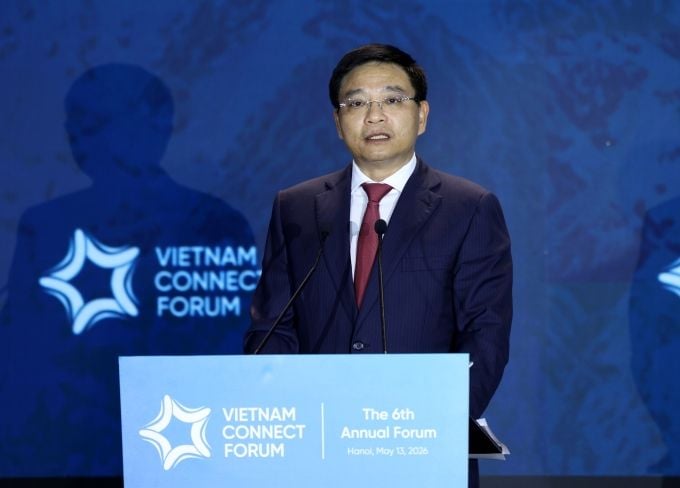
Vietnam does not seek foreign direct investment (FDI) “at any cost”; instead, it is prioritizing technology-oriented projects that can connect domestic enterprises and strengthen participation in global supply chains, Deputy Prime Minister Nguyen Van Thang said on May 13.
Speaking at the Vietnam Development Bridge Forum 2026, the Deputy Prime Minister said Vietnam is moving away from a broad FDI-attraction approach toward selecting higher-quality projects.
“New-generation FDI should not only come to Vietnam to manufacture or exploit markets; it needs to create value, capability and a new position in the global value chain,” he said.
Vietnam’s approach, according to the Deputy Prime Minister, is to focus less on the scale of investment and more on projects that emphasize technology, generate added value, develop human resources, and link with Vietnamese enterprises to take part in the supply chain.
The areas Vietnam plans to prioritize for the next phase of capital include:
Vietnam currently has more than 46,500 active FDI projects with total registered capital of over $543 billion. Cumulative implemented capital is about $357.6 billion.
The FDI sector now accounts for around over 20% of GDP, about 70% of export turnover, and employs millions of workers.
While Vietnam remains a leading FDI destination in ASEAN and hosts many large technology groups, the Deputy Prime Minister said linkages between foreign investors and domestic enterprises are still limited.
He noted that Vietnamese companies are mainly involved in lower value-added segments of FDI-driven value chains.
The Deputy Prime Minister said global investment attraction competition has evolved alongside trends in supply chain restructuring and green and digital transformation.
As a result, investors are increasingly interested in institutional quality, policy stability, strategic infrastructure, data, and a highly skilled workforce—rather than incentives or low labor costs.
To attract new-generation foreign capital, Vietnam will continue simplifying procedures and investing in infrastructure and human resources. It will also strictly address transfer pricing, commercial fraud, and environmental violations.

Premium gym chains are entering a “golden era” that is ending or already in decline, as rising operating costs collide with shifting consumer preferences toward more flexible, community-based ways to exercise. Long-term memberships are shrinking, margins are pressured by higher rents and facility expenses, and competition from smaller, more personalized…