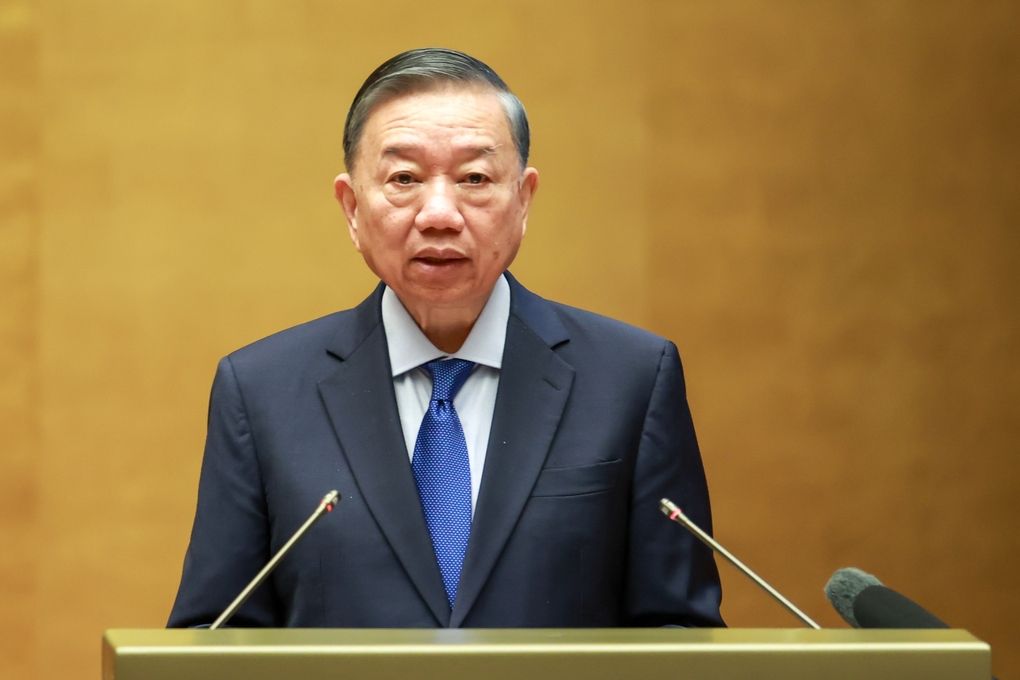
Vietnam's General Secretary and President To Lam stated that the country does not attract investment at any price but pursues selective screening and close collaboration with investors to create new value. At a national conference on June 30 to implement Resolution 10 on developing a foreign-invested economy, the government outlined how it will screen projects and partner with investors to raise national competitiveness. The event connected nearly 35,000 points of contact with around 2.1 million delegates.
Since the Foreign Investment Law of 1987 and its amendments, Vietnam has evolved from a capital-short, aid-dependent, closed economy into an open, deeply integrated economy. International trade now accounts for more than 180% of GDP, with FDI contributing about 75% of that.
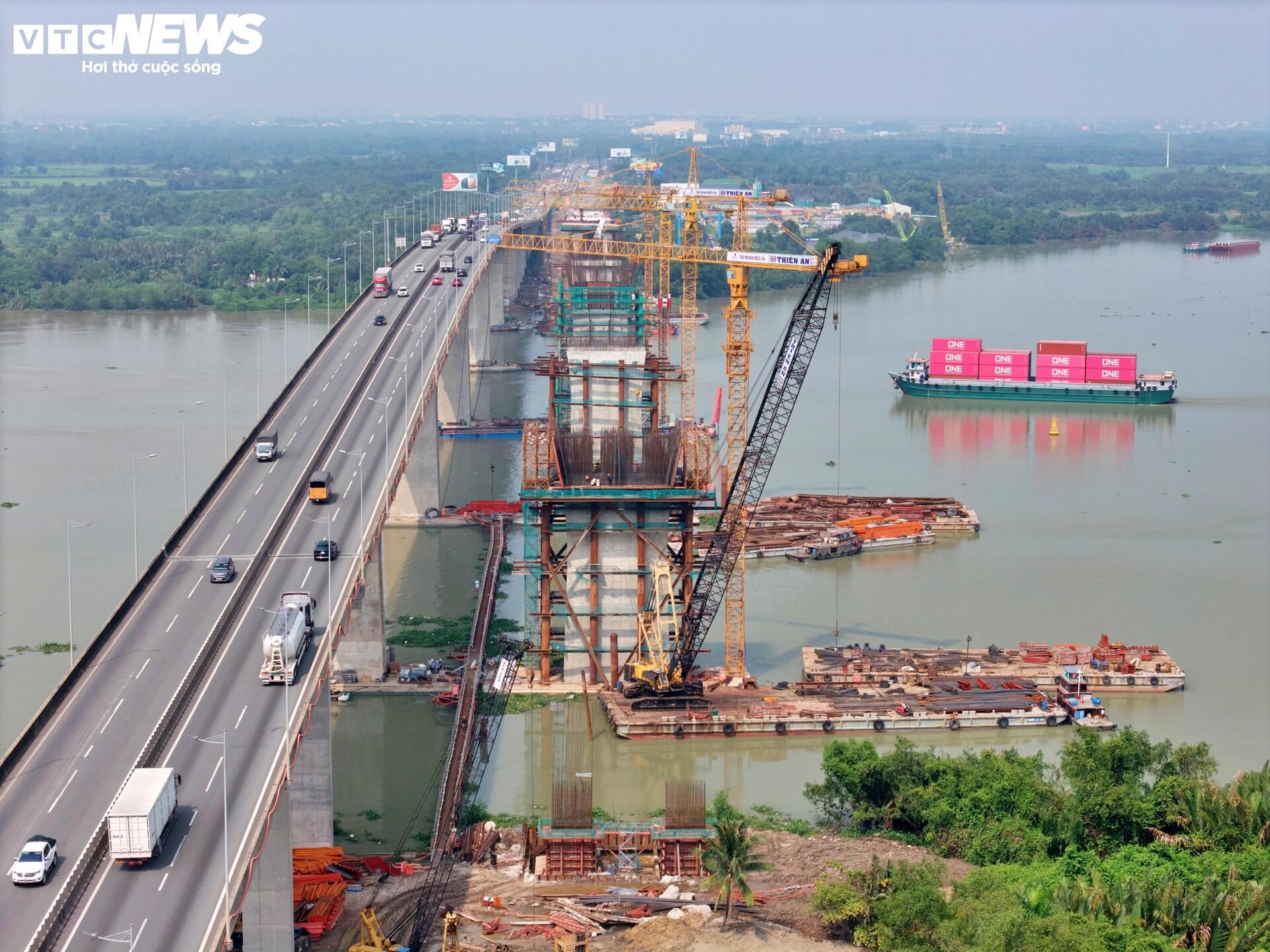
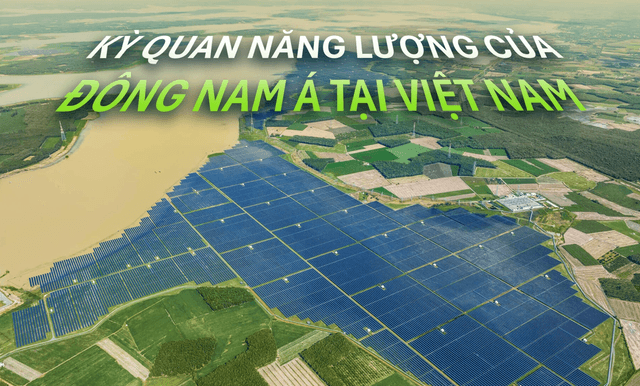
However, the international context has changed. Traditional advantages such as tax incentives are narrowing as global minimum tax policies are implemented, while competition to attract investment is increasingly shifting to high-tech sectors such as semiconductors, artificial intelligence, and green transition. Therefore, Vietnam needs to invest more in infrastructure, especially clean energy and the prerequisites to attract high-quality capital.
Resolution 10 was issued just over three weeks ago and is built on almost 40 years of opening and attracting foreign investment. It reflects a shift in development thinking: the country should not simply open to welcome capital but proactively select and use international resources to build national competitiveness.
Authorities are urged to align understanding and innovate thinking, regard the foreign-invested sector as an important part of the economy, compete on a level playing field, and create conditions for long-term development. Projects that use outdated technology, waste resources, or pose risks to national defense, security, and critical infrastructure should be strictly screened. The authorities must improve forecasting, complete institutional frameworks, and review regulations to meet the requirements of the new development stage.
The General Secretary also thanked foreign investors for choosing Vietnam as an investment destination. He noted that the resolution was issued just over three weeks ago, but discussions have shown that many contents meet the recommendations and desires of the FDI business community. He urged the Government, ministries, and localities to cooperate quickly in implementing measures to realize the resolution’s policies and to continue improving the investment environment so that enterprises can expand their operations in Vietnam.
Vietnam does not attract investment at any price but has a strategy of selection, screening, and accompanying investors to create new values. Attracting foreign investment is not to replace internal capacity but to strengthen it and enhance the economy’s autonomy. Do not let investors go through too many gates, take too long, or incur too much cost to implement a lawful project.
Deputy Prime Minister Pham Gia Tuc outlined seven breakthrough groups in Resolution 10. These include reforming thinking—from management to development creation—and treating the foreign-invested sector as an integral driver of national competitiveness. The resolution calls for overcoming the trend of localities competing for investment by quantity and for ensuring growth does not come at the expense of the environment, resources, social welfare, or economic security.
Other breakthrough areas focus on improving the institutional framework to build a transparent, stable, and internationally competitive investment environment. Incentives will be reformed to align with efficiency and project commitments, not just investment scale. Vietnam will establish mechanisms to select, support, and manage strategic investors, and apply a special investment process and incentives for large-scale strategic technology projects with cross-regional impact, supply-chain leadership, or commitments to technology transfer. A superior institutional model will be piloted in some areas.
Resolution directs investment governance based on data and artificial intelligence and prohibits retroactive policies that harm business, except in matters related to national defense, security, public order, safety, or environmental protection. Additional focus areas include coordinated infrastructure development, human resources development, attracting next-generation investment, expanding the spillover effects of the FDI sector, and improving management and coordination efficiency.
Overall, the policy emphasizes selective screening, high standards for environmental and security considerations, and targeted incentives linked to outputs and commitments. It envisions a shift toward leveraging foreign investment to strengthen domestic capacity while maintaining a stable and predictable investment climate.