•
•
•
•
•
•
•
•
•
•
•
•
•
•
•
•
•
•
•
•
•
•
•
•
•
•
•
•
•
•
•
•
•


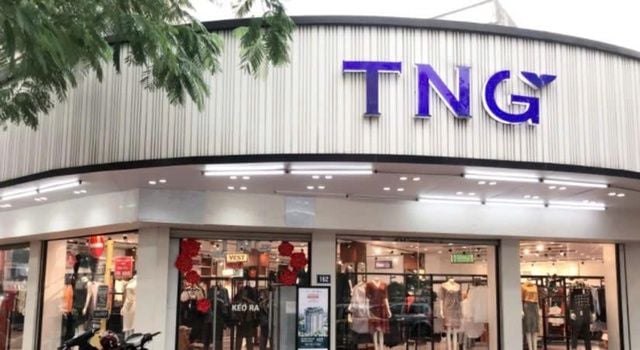
The Dynamic Stock Dividend Equity Fund of VinaCapital has sold all 219,200 TNG shares, reducing the VinaCapital group’s stake to 4.9262% and ending its status as a large shareholder in TNG.
A separate report indicates that five other VinaCapital funds together hold more than 6.3 million TNG shares, corresponding to the same 4.9262% ownership level.
After the sale, the VinaCapital investor group owns over 6.3 million shares, equivalent to 4.9262% of TNG’s outstanding stock.
On May 7, 2026, TNG finalized the shareholder list to settle the remaining 2025 cash dividend of 5%, meaning one share entitles the holder to 500 dong. The payment date is expected to be May 22, 2026.
With more than 128.7 million TNG shares outstanding, the company is estimated to pay approximately 64.4 billion dong for this dividend.
Previously, TNG had already paid three interim cash dividends for 2025 at 5% each. As a result, total cash dividends for 2025 amount to 20%, equivalent to about 257.4 billion dong.
In its Q1 2026 financial report, TNG reported net revenue of nearly 1,952 billion dong, up 29.2% year over year. After taxes and fees, net profit reached nearly 60.3 billion dong, up 39.3%.
For 2026, TNG plans revenue of about 9,500 billion dong and net profit of about 450 billion dong. By the end of Q1 2026, it had achieved 20.5% of its revenue target and 13.4% of its profit target.
As of March 31, 2026, TNG’s total assets increased 8.5% year to date to over 7,496.6 billion dong. Inventory was about 1,805.3 billion dong, representing 24.1% of total assets.
Total liabilities stood at approximately 5,498.3 billion dong, up 12% from the start of the year. Borrowings and financial lease obligations exceeded 4,271.3 billion dong, accounting for 77.7% of total liabilities.

Premium gym chains are entering a “golden era” that is ending or already in decline, as rising operating costs collide with shifting consumer preferences toward more flexible, community-based ways to exercise. Long-term memberships are shrinking, margins are pressured by higher rents and facility expenses, and competition from smaller, more personalized…