•
•
•
•
•
•
•
•
•
•
•
•
•
•
•
•
•
•
•
•
•
•
•
•
•
•
•
•
•
•
•
•
•


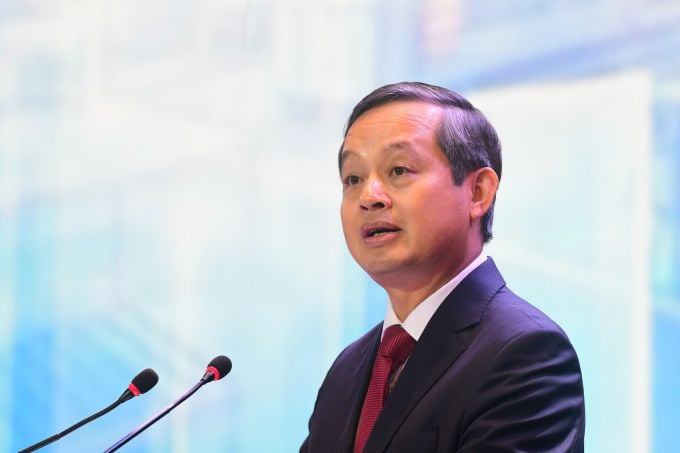
Bac Ninh Province says it is ready to receive large-scale, high-tech foreign-invested projects as it prepares 500 hectares of “clean” land in its industrial zones, with an additional 500 hectares planned to be added this year. Speaking at the “Kết nối FDI 2026” forum on the afternoon of April 24, Mr. Pham Hoang Son, chairman of the Bac Ninh Provincial People’s Committee, said the province has invested systematically in infrastructure to support immediate implementation of new projects.
Mr. Son said Bac Ninh intends to shift toward selective foreign investment, prioritizing quality and sustainability. The province has prepared about 500 hectares of clean land within its industrial zones and plans to add another 500 hectares this year.
Vice chairman Mr. Pham Van Thinh highlighted the province’s advantages in electronics, citing a large supplier base serving Samsung and Apple. He noted that major semiconductor players have selected the area as a base, including Amkor and Hana Micron. By the end of Q4, a chip foundry plant in Bac Ninh is expected to become operational.
Based on these developments, Bac Ninh expects to form a semiconductor industrial cluster spanning wafer production through packaging and testing, alongside chemical sectors that support semiconductor manufacturing. The province also aims to attract investment in AI, robotics, unmanned aerial vehicle (UAV) equipment, and aerospace components manufacturing to support new technology sectors and the future Gia Binh International Airport project.
Provincial leaders said attracting high-quality FDI and building a modern industrial ecosystem are expected to help Bac Ninh and Vietnam participate more deeply in global supply chains.
Mr. Thinh said the “most effective approach” to attracting high-quality foreign-invested enterprises is to “care for existing investors,” helping build confidence in the investment environment. He added that Bac Ninh has implemented a “green channel” in administrative procedures to shorten processing times and promptly support key projects.
Bac Ninh was Vietnam’s second-largest recipient of FDI in 2025. To date, the province has attracted more than 3,500 projects from 46 countries and territories, with total registered capital exceeding USD 49 billion.
FDI is described as playing a leading role in Bac Ninh’s economy, contributing to GRDP growth of over 10% in 2025 and 9.8% in Q1.
Hồ Sỹ Hùng, president of the Vietnam Chamber of Commerce and Industry (VCCI), cautioned that attracting FDI must be considered alongside challenges. He pointed to limited linkage between foreign and domestic enterprises, which has contributed to a low domestic content ratio across many industries.
Kim In Woo, vice president of the Korea Chamber of Business in Vietnam (KoCham), said stronger links between FDI and domestic firms, along with improved domestic capabilities in quality management, production, and delivery, are needed to make supply chains more sustainable and competitive. He argued that in a high-tech competition environment, relying only on contract manufacturing and assembly will not be sufficient.
KoCham’s representative said Vietnam should raise process precision, strengthen quality management systems and compliance with technical standards, and develop an engineering and mid-level management workforce. He also emphasized that policy predictability and administrative consistency are increasingly important, noting that FDI firms now require a stable, transparent, and predictable legal environment—not only incentives.
Nguyen Duc Hien, deputy head of the Policy and Strategy Department, said Vietnam’s foreign investment strategy should prioritize selective FDI focused on quality, efficiency, and spillovers. He noted that the government views the linkage between FDI and domestic firms as a major bottleneck and said Vietnam will continue to develop robust supplier industries, enhance domestic firm capabilities, and design mechanisms to promote technology transfer—aiming to build value chains that allow Vietnamese firms to participate more deeply and meaningfully.

Premium gym chains are entering a “golden era” that is ending or already in decline, as rising operating costs collide with shifting consumer preferences toward more flexible, community-based ways to exercise. Long-term memberships are shrinking, margins are pressured by higher rents and facility expenses, and competition from smaller, more personalized…