•
•
•
•
•
•
•
•
•
•
•
•
•
•
•
•
•
•
•
•
•
•
•
•
•
•
•
•
•
•
•
•
•


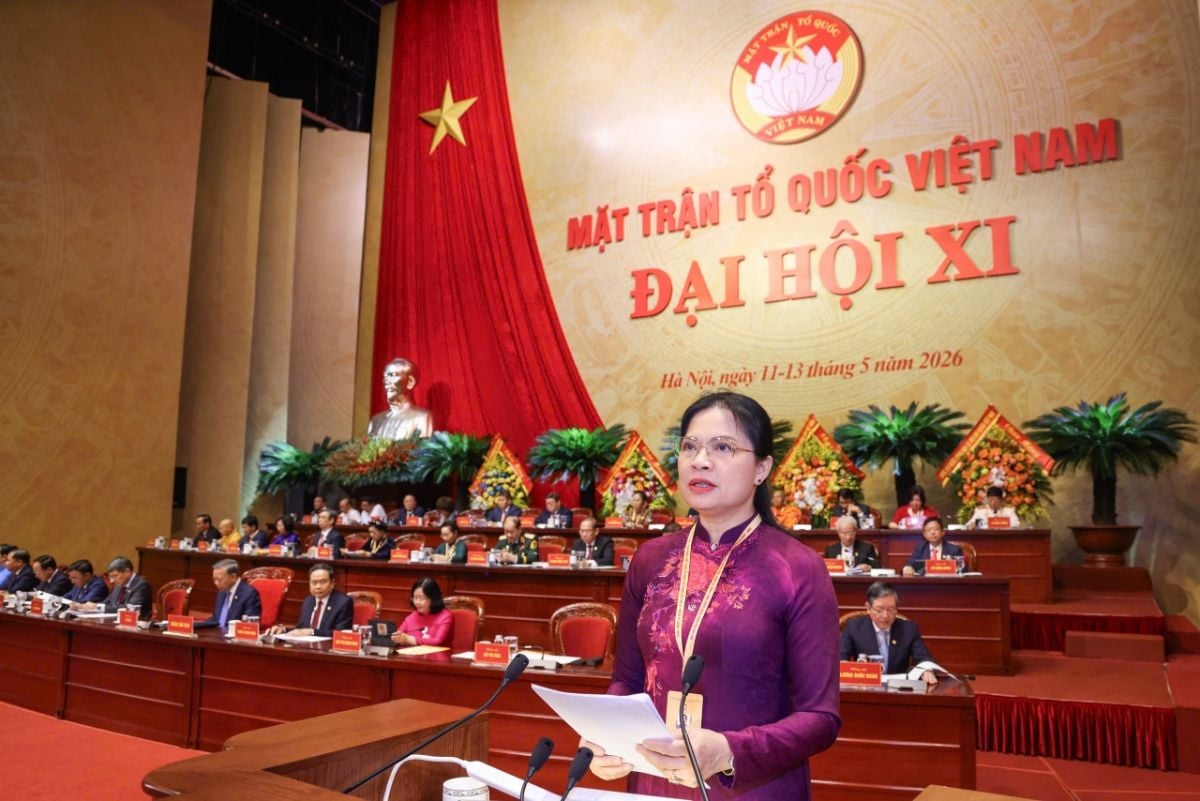
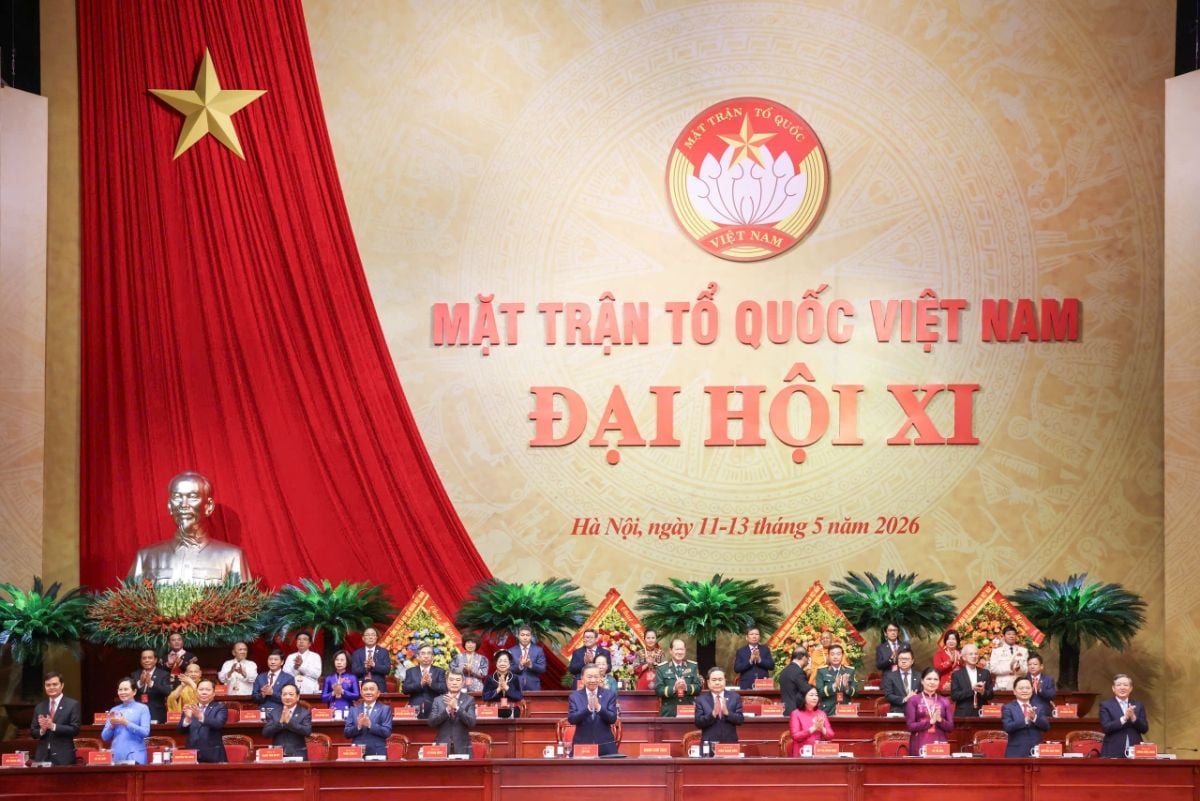
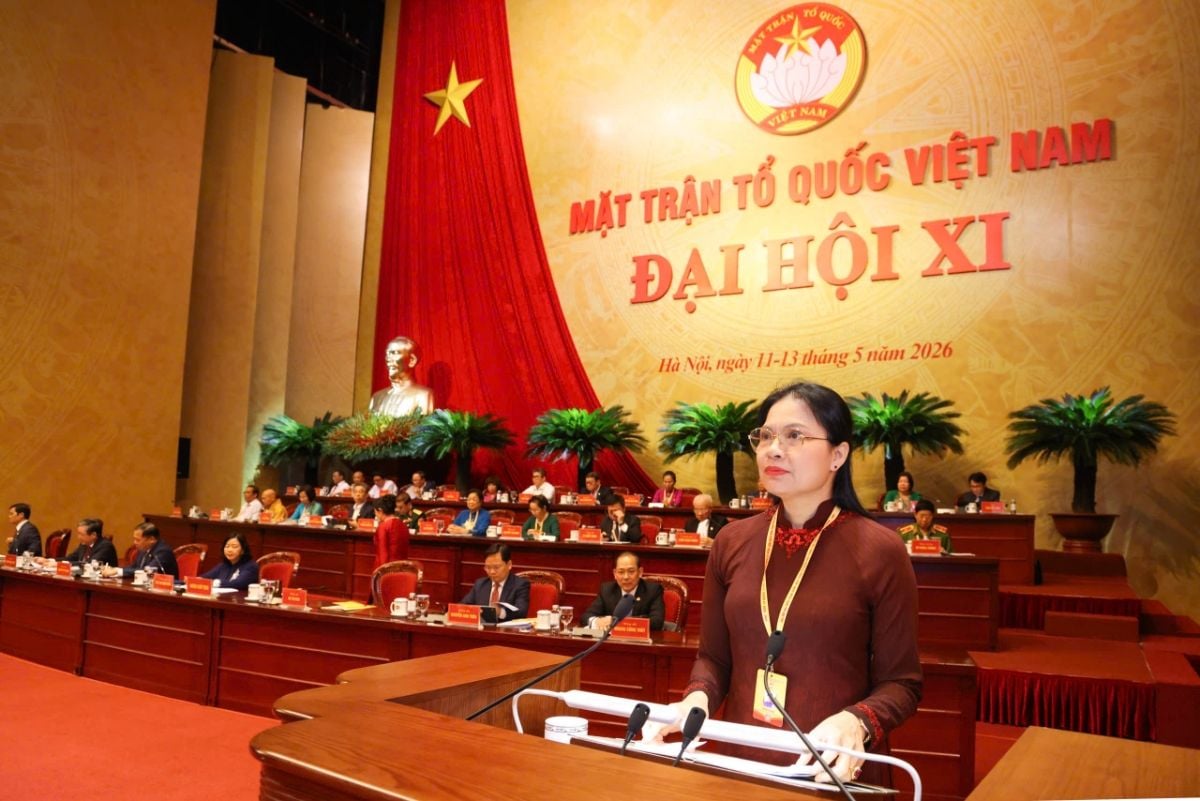
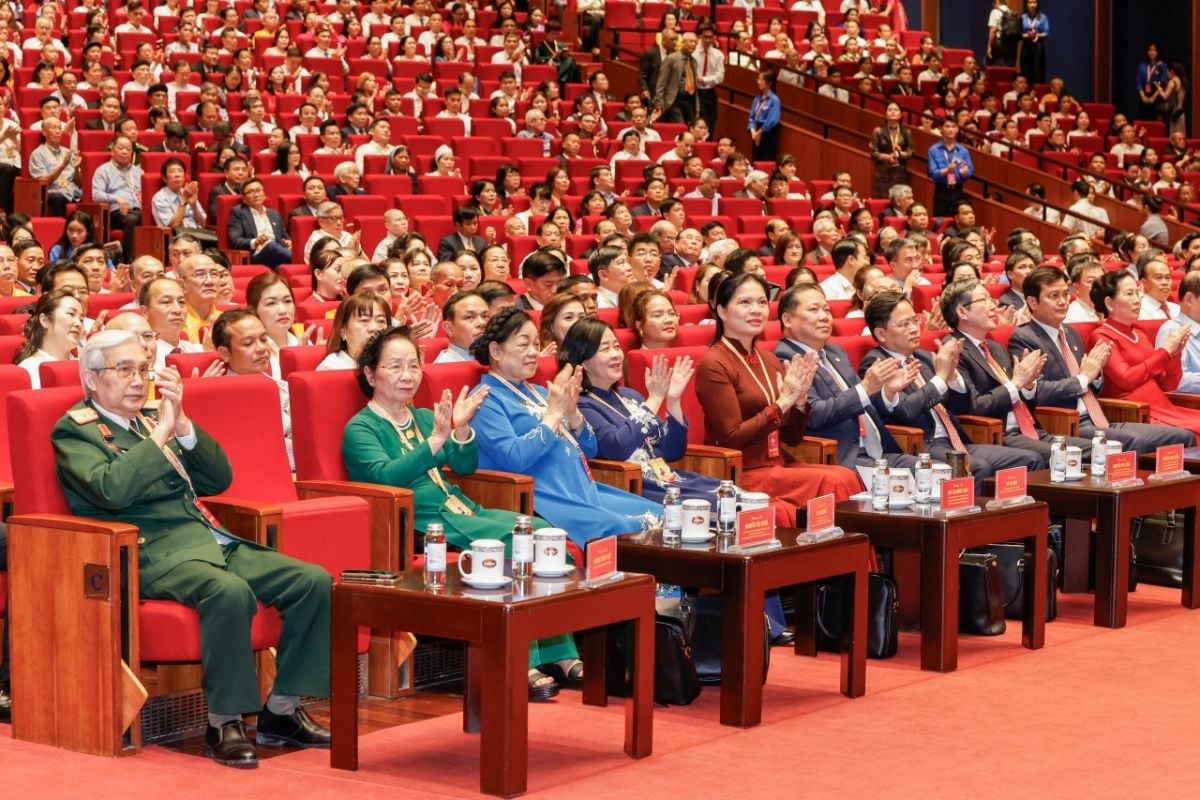
On the morning of May 12, at the 11th National Congress of the Vietnam Fatherland Front for the 2026–2031 term, Ha Thi Nga, a member of the Party Central Committee and Vice Chairwoman–General Secretary of the Central Committee of the Vietnam Fatherland Front, presented a summary of the political report for the X term.
Nga said that after 80 years since the August Revolution and 40 years of renewal, Vietnam’s potential, position, and international prestige have continued to rise, while the strength of the great national unity bloc has been reinforced. She noted that, under the Party’s leadership, all social strata have grown in both number and quality and have played a leading role in the country’s renewal and development. Nga added that public trust in the Party’s leadership has been further strengthened by the success of the 14th National Party Congress, which she said demonstrated strong political resolve for development in the new era.
She said the Congress aimed to strengthen the Front’s core political role within the national unity framework, and set a general objective plus 15 quantitatively defined targets, alongside three breakthrough tasks. These include improving mechanisms and innovating the content and methods of activity of the Vietnam Fatherland Front at all levels, as well as building a professional, devoted Front workforce capable of meeting new demands.
The Congress approved seven action programs for the 2026–2031 term.
Program 1 focuses on strengthening propaganda, mobilization, and gathering to increase social consensus and develop a national unity strategy to 2035 with a vision to 2045. It also calls for modernizing communication and mobilization, enhancing IT applications, developing the Front’s digital platform, and establishing independent assessment of provincial social trust indices.
Program 2 aims to represent and protect the legitimate rights and interests of the people, improve the quality and effectiveness of oversight and social criticism, promote democracy, and actively participate in building the Party, State, and political system. It also emphasizes follow-up on issues after monitoring.
Program 3 urges mobilization of all social strata to study, work, innovate, participate in socio-economic development, and preserve culture and people’s livelihoods.
Program 4 emphasizes participation in science and technology development, innovation, and building a digital society, including accelerating digital transformation within the Front.
Program 5 promotes self-governance in communities and pilot models for socialist towns and neighborhoods nationwide.
Program 6 strengthens people-to-people diplomacy and international cooperation.
Program 7 updates the content and methods of operation, with a lean, efficient professional apparatus, and emphasizes transparency and accountability.
The Front’s leadership highlighted the need for cadres to stay “3 near” (near the people, near the grassroots, near the digital space), adopt the “5 musts” (must listen, must engage, must set an example, must take responsibility, must report results), and avoid the “4 noes” (no formalism, no evasion, no shirking, no misusing function).
The Congress reaffirmed the Front’s position and new operating modalities in the national political system, highlighting its role in strengthening national unity and democratic governance across society.
Premium gym chains are entering a “golden era” that is ending or already in decline, as rising operating costs collide with shifting consumer preferences toward more flexible, community-based ways to exercise. Long-term memberships are shrinking, margins are pressured by higher rents and facility expenses, and competition from smaller, more personalized…