•
•
•
•
•
•
•
•
•
•
•
•
•
•
•
•
•
•
•
•
•
•
•
•
•
•
•
•
•
•
•
•
•


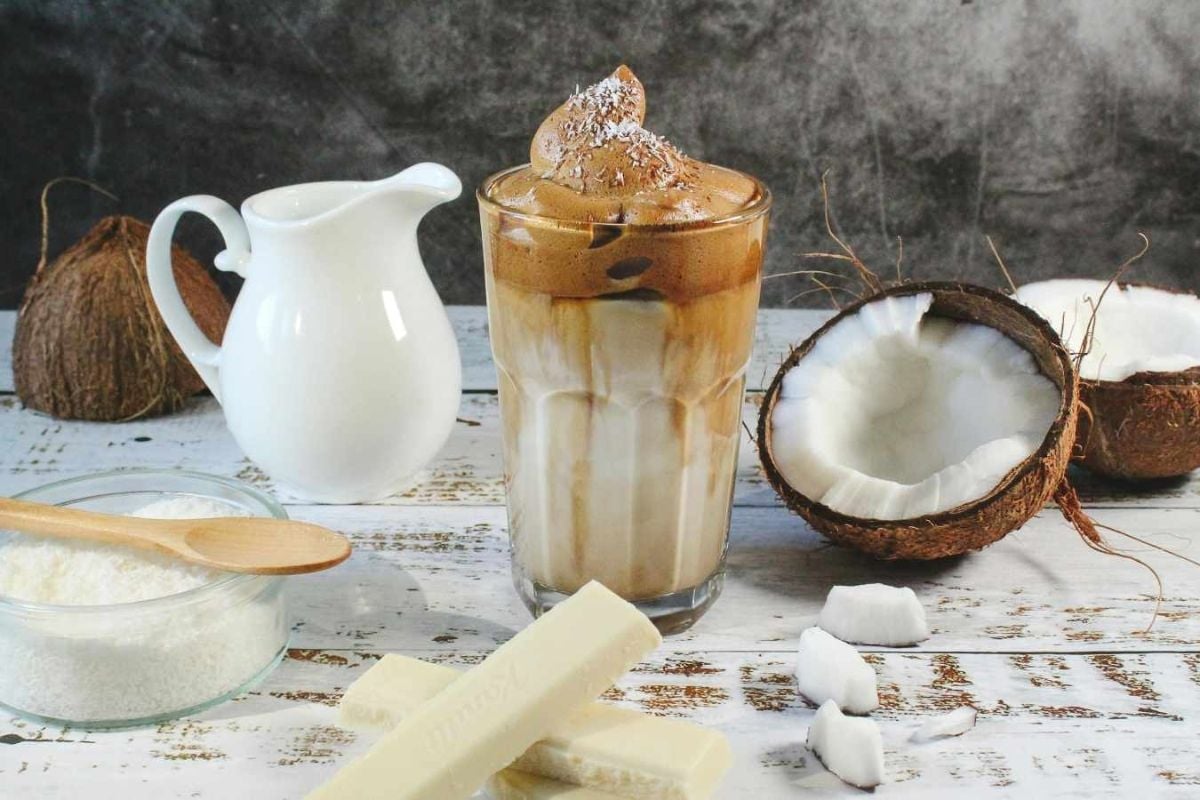
Cloud coffee is among the caffeinated beverage trends drawing strong social media attention. On TikTok, the #cloudcoffee hashtag has up to 4.6 million posts, while #coconutcoffee has as many as 11,500 posts. The drink is prepared by pouring cold coconut water over ice in a glass, then adding a shot of bold coffee or espresso on top. Once served, it separates into two distinct layers, combining the familiar coffee aroma with a lighter, smoother taste.
Supporters of coconut coffee say it addresses two common morning needs at once: boosting alertness and replenishing fluids after a night of sleep. The body can be mildly dehydrated on waking, and drinking black coffee alone may leave some people with a dry mouth or throat. Coconut water contains electrolytes such as potassium, sodium, and magnesium, which can help restore hydration more quickly.
With caffeine, the beverage is positioned as an energy option that may feel less heavy than coffee mixed with milk or higher-sugar drinks. It is particularly popular with morning athletes, early-rising office workers, and people aiming for a healthier lifestyle.
Cloud coffee is described as easy to make at home and does not require specialized equipment. The basic ingredients are coconut water, ice, and prepared coffee. Many consumers report noticeable alertness and a more comfortable body feel compared with coffee brewed with sweetened milk. Coconut water’s natural, slightly sweet taste—along with a hint of creaminess and a mild salty aftertaste—can balance coffee bitterness into a distinct flavor.
Anna Smith, Nutrition Director at the Lose It! health app, described the drink as a way to stay hydrated while enjoying coffee. She noted that in summer people may sweat more, and adding electrolytes to a weight-loss regimen can help prevent dehydration and support metabolism and overall health.
Dr. Bryan Quoc Le, a food-science expert in California and a consultant with Mendocino Food Consulting, said cloud coffee is similar to Dalgona coffee, a pandemic-era social-media trend, but uses coconut water instead. He added that coconut water can be replaced with other ingredients such as ice, almond milk, or oat milk.
In Vietnam, Dr. Le said a glass of cloud coffee containing about 470 ml (with two teaspoons of sugar) provides around 150 calories, 5 g of protein, and 120 mg of caffeine—described as equivalent to a cup of ordinary coffee. He also noted that if whipped cream is replaced with unsweetened milk, the drink can add more protein. Protein may help slow caffeine absorption, supporting steadier energy and potentially reducing adverse effects such as palpitations or high blood pressure.
However, the whipped cream portion often contains sugar. High sugar intake can affect collagen and contribute to aging, so reducing sugar or substituting with suitable sweeteners is advised. Dr. Le also recommended reading coconut-water labels, since some brands add sugar; he suggested choosing products labeled “no added sugar.”
Because cloud coffee contains caffeine, it may not be suitable for everyone. Dr. Le cautioned that it can cause discomfort for people with digestive conditions such as irritable bowel syndrome or for those with hypertension. Regular use should be considered carefully for those sensitive to caffeine.
He also emphasized that caffeine is a diuretic, so in hot weather, insufficient water intake can contribute to dehydration. Regardless of beverage choice, water remains essential for health and skin.
For people looking to reduce caffeine while staying alert, the article suggests options such as green tea (lower caffeine, high in antioxidants), hibiscus tea (caffeine-free and supportive of blood pressure), sparkling water with modest caffeine, or pairing coffee with protein milk to slow the rapid caffeine effect.
For milk or cream choices, Dr. Le suggested unsweetened plant-based milk as a lower-calorie option. He said unsweetened almond milk typically has about 30 to 40 calories per cup and provides light creaminess without overpowering coconut flavor. For more protein, he suggested unsweetened cow’s milk or soy milk, which can offer additional nutrients while keeping calories in check.
Cloud coffee can be an option if used correctly and in moderation, but it should not be viewed as a skin-friendly drink or as a complete substitute for healthy nutrition. Balancing caffeine, sugar, and water intake is presented as key to long-term health.
Premium gym chains are entering a “golden era” that is ending or already in decline, as rising operating costs collide with shifting consumer preferences toward more flexible, community-based ways to exercise. Long-term memberships are shrinking, margins are pressured by higher rents and facility expenses, and competition from smaller, more personalized…