•
•
•
•
•
•
•
•
•
•
•
•
•
•
•
•
•
•
•
•
•
•
•
•
•
•
•
•
•
•
•
•
•


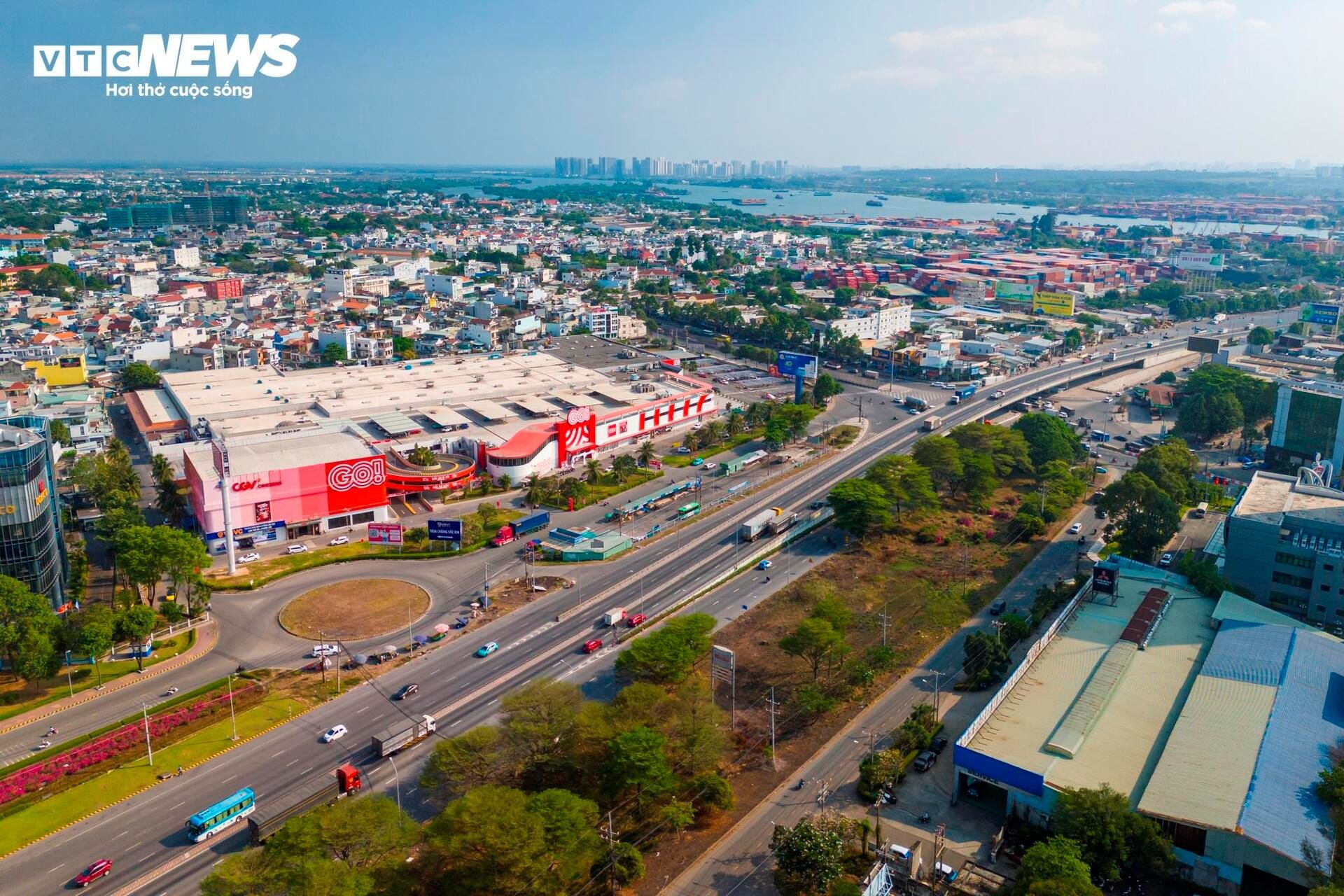
With a large population, strong economic growth, coordinated infrastructure, and a strategic location, Dong Nai is consolidating favorable conditions to become a centrally administered city. It is expected that by late April, during the second session of the first meeting of the 16th National Assembly, the draft resolution to establish Dong Nai as a centrally administered city will be considered and voted on, making the province the country’s seventh centrally administered city.
Dong Nai was formed by merging the former localities of Dong Nai and Bình Phước, creating a large administrative unit that ranks among the country’s leaders in land area, population, and gross regional domestic product (GRDP).
According to 2025 data, the province’s population reaches nearly 4.5 million, with an area of over 12,700 square kilometers. GRDP is estimated at over 677.9 trillion VND, and per capita income is about 152.8 million VND per year. State budget revenue exceeds 102.9 trillion VND, among the highest in the country.
Dong Nai meets the criteria for a Class I urban area. In terms of budget size, it currently ranks fourth nationwide, behind Ho Chi Minh City, Hanoi and Hai Phong, and surpasses some centrally administered cities such as Da Nang, Can Tho and Hue.
The economy is shifting toward modernization, with the share of industry, construction, and services accounting for more than 81%. The GRDP growth rate has remained high, reaching 9.63% in 2025, above the national average.
Beyond its scale, Dong Nai holds a special position in the southern region’s development structure. Located in the center of the Southeast region and adjacent to Ho Chi Minh City, the province is a crossroad of several important economic corridors.
From Dong Nai, there are convenient connections to the Central Highlands, the South-Central Coast, and the Mekong Delta. This “gateway” role helps the province become a hub for goods, services, and investment flows for the southern key economic region.
Dong Nai’s position advantage is reinforced by multimodal transport infrastructure.
Road transport: Numerous expressways and strategic corridors such as Phan Thiết - Dầu Giây, Biên Hòa - Vũng Tàu, Bến Lức - Long Thành, Dầu Giây - Liên Khương, Gia Nghĩa - Chơn Thành, along with Beltway 3 and Beltway 4 around Ho Chi Minh City, are nearing completion, creating a tightly connected regional network.
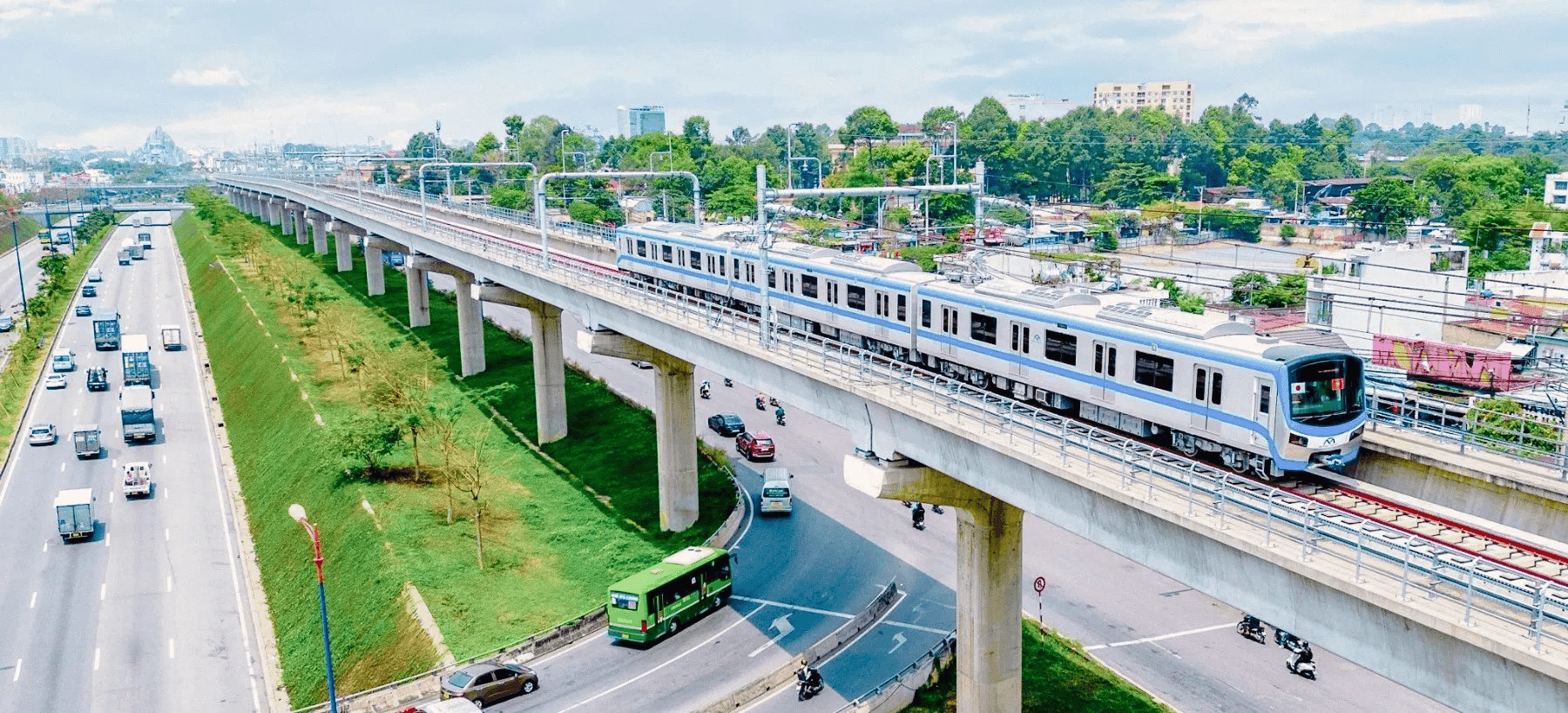
Rail: The future North-South high-speed railway will pass through the province, supporting both passenger and freight transport. In addition, metro lines connecting Suối Tiên (HCMC) to the provincial administrative center and Long Thành Airport are being studied.
Inland waterways: The inland waterways system, with major rivers such as Đồng Nai, Thị Vải, La Ngà, and sông Cái, adds to transport capacity and port connectivity.
According to planning, Dong Nai’s port system belongs to port group 4, a national Class I port group. Key terminals include Phước An, Gò Dầu, Nhơn Trạch… and the system is expected to play a central role in exports, imports, and logistics.
The centerpiece of the infrastructure ecosystem is Long Thành International Airport, a national strategic infrastructure project covering about 5,000 hectares with total investment of over 16 billion USD. When completed, the airport is expected to handle 100 million passengers and 5 million tons of cargo per year, positioning it as a major international hub in the Asia-Pacific region.
Dong Nai is one of the country’s largest industrial centers, with 89 planned industrial zones. Foreign investment remains positive, with more than 2,200 projects from 45 countries and territories, totaling about 44.38 billion USD in registered investment.
The presence of international enterprises is expected to create jobs and support upgrading production and shifting the economic structure toward industrialization and modernization.
Regarding administrative organization, the Standing Committee of the National Assembly has approved the draft resolution to establish 10 new wards in Dong Nai and agreed to submit the proposal to the National Assembly for consideration of establishing a centrally administered city.
Under the proposal, Dong Nai city would be formed based on the entire land area and population, using 95 existing administrative communes. Meanwhile, the local administration would largely maintain the current apparatus, while a plan to optimize it in line with an urban government model is prepared.
With a solid economic base, improving infrastructure, and a strategic position in regional linkage, Dong Nai is gradually shaping a new role in the system of national urban centers. Becoming a centrally administered city is described as both an administrative change and a way to accelerate development—helping the province maximize its potential and contribute more strongly to the Southeast region’s and the nation’s development.




Premium gym chains are entering a “golden era” that is ending or already in decline, as rising operating costs collide with shifting consumer preferences toward more flexible, community-based ways to exercise. Long-term memberships are shrinking, margins are pressured by higher rents and facility expenses, and competition from smaller, more personalized…




