•
•
•
•
•
•
•
•
•
•
•
•
•
•
•
•
•
•
•
•
•
•
•
•
•
•
•
•
•
•
•
•
•


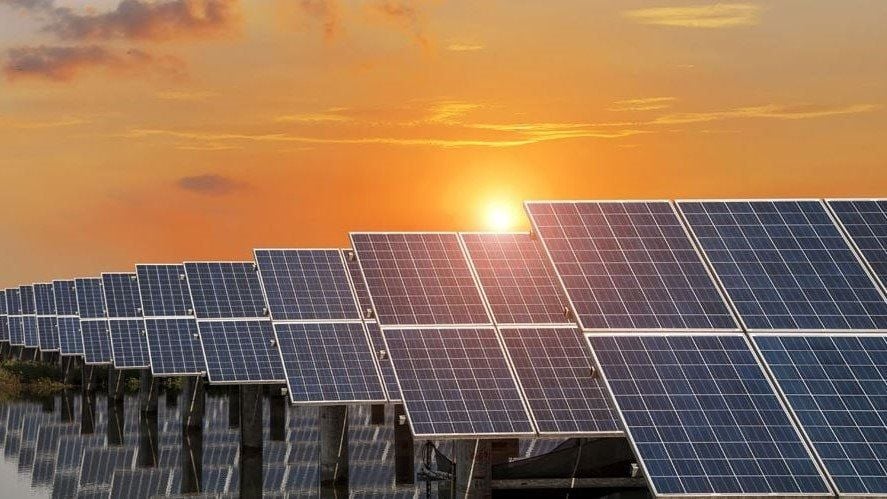
On April 16, the Gia Lai Provincial People’s Committee issued decisions approving four renewable energy projects with a total investment of nearly 5 trillion VND. The projects include three solar power developments and one wind power project, with a combined capacity of 230 MW, planned for deployment in Ia Le commune and part of Chu Puh commune.
Three solar projects—Nhơn Hòa 1, Nhơn Hòa 1A, and Nhơn Hòa 2—will be built in Ia Le commune. Together, they cover nearly 280 hectares and have a total capacity of 188 MW.
The Nhơn Hòa 3 wind power project will be implemented in Chu Puh commune, covering 27 hectares with an installed capacity of 42 MW.
According to the approved plan, construction is scheduled to begin in November 2026 and be completed, with commissioning and operation planned for August 2028.
To support project preparation, Gia Lai authorities assigned the Department of Agriculture and Environment to review and finalize land allocation and land-lease procedures in line with the planning.
The Gia Lai Department of Industry and Trade will lead guidance for investors on procedures related to energy planning, grid connection to the national system, and monitoring implementation to ensure compliance with technical standards and alignment with Electricity Plan VIII.
At the local level, authorities in Ia Le and Chu Puh communes are responsible for compensation, support, resettlement, and land clearance to enable project execution.
The Gia Lai People’s Committee also requires investors to strictly comply with laws on investment, construction, land, and environmental protection. Investors must ensure funding, use equipment meeting technical standards, and must not transfer the project without approval from competent authorities.






Premium gym chains are entering a “golden era” that is ending or already in decline, as rising operating costs collide with shifting consumer preferences toward more flexible, community-based ways to exercise. Long-term memberships are shrinking, margins are pressured by higher rents and facility expenses, and competition from smaller, more personalized…




