•
•
•
•
•
•
•
•
•
•
•
•
•
•
•
•
•
•
•
•
•
•
•
•
•
•
•
•
•
•
•
•
•


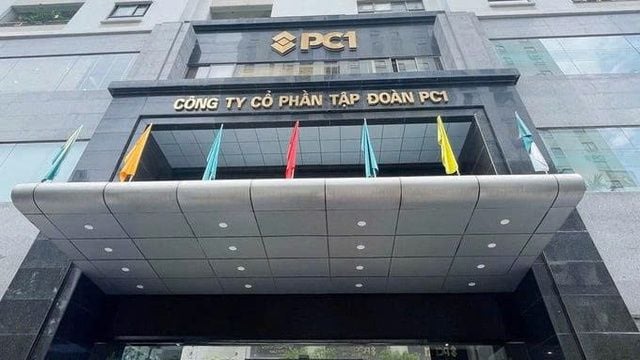
HoSE (Ho Chi Minh City Stock Exchange) has issued a reminder to CTCP Tập đoàn PC1 (MCK: PC1, HoSE-listed) regarding late disclosure of information (CBTT) for the annual general meeting (ĐHĐCĐ) 2026. On 31 March 2026, HoSE received a CBTT from PC1 regarding AGM 2026 documents with a scheduled meeting date of 22 April 2026. According to sources, PC1 successfully held the annual general meeting on 22 April 2026. Based on the provisions in Clause b of Article 10 and Clause 1 of Article 11 of Circular 96/2020/TT-BTC dated 16 November 2020 guiding CBTT on the securities market, publicly listed companies must CBTT abnormally within 24 hours from the decision of the AGM. The documents to be disclosed include: the minutes of the meeting, the AGM resolutions, and any accompanying materials. In addition, the amendments introduced by Circular 68/2024/TT-BTC dated 18/09/2024 require large listed companies to CBTT in both Vietnamese and English from 01/01/2025. However, as of 24 April 2026, HoSE had not received the AGM resolution and minutes for the 2026 AGM held on 22 April 2026. As a result, HoSE urged the company to strictly fulfill the reporting and information disclosure obligations in accordance with securities regulations to protect shareholders’ rights. In a separate development, PC1 has approved a capital contribution of VND 27 billion to CTCP Điện mặt trời Điện Biên, with the transaction to be completed in April 2026, to exercise the right to purchase 2.7 million shares issued via a rights issue to current shareholders to increase charter capital in 2026. Previously, at the end of December 2025, PC1 had also approved contributing capital to establish CTCP Điện mặt trời Điện Biên. The newly established company has a charter capital of VND 5 billion, of which PC1 contributes VND 3 billion (60%). Read more







Premium gym chains are entering a “golden era” that is ending or already in decline, as rising operating costs collide with shifting consumer preferences toward more flexible, community-based ways to exercise. Long-term memberships are shrinking, margins are pressured by higher rents and facility expenses, and competition from smaller, more personalized…