•
•
•
•
•
•
•
•
•
•
•
•
•
•
•
•
•
•
•
•
•
•
•
•
•
•
•
•
•
•
•
•
•


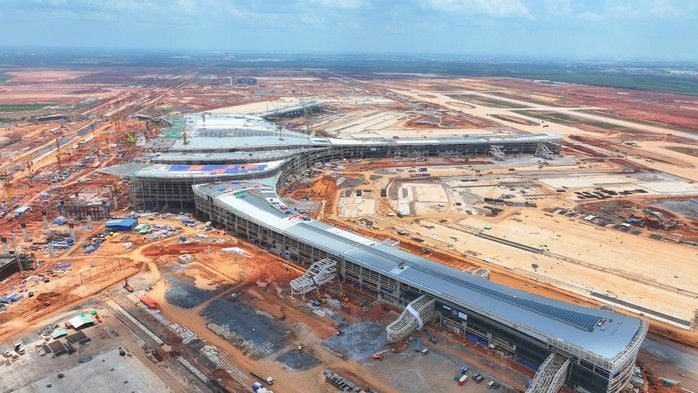
If the experience of traveling from Long Thanh airport to downtown Ho Chi Minh City is poor due to congestion, travelers may shorten their stay or choose a different destination.
On April 23, Nguoi Lao Dong continued collecting opinions from experts, businesses and management agencies on the progress of operating Long Thanh airport, following ACV’s proposal for a two-step plan to transfer operations between Tan Son Nhat airport and Long Thanh airport.
Under the proposal, from the summer flight schedule of 2027 to the end of 2030, ACV would transfer all remaining international flights to Long Thanh, except for routes shorter than 1,000 km operated by Vietnamese carriers.
If approved, in 2027 Long Thanh airport could handle more than 90% of international travelers in the Ho Chi Minh City area.
Experts cited a 40–50 km distance as a “psychological bottleneck” for travelers.
Le Truong Hien Hoa, Deputy Director of the Ho Chi Minh City Department of Tourism, said the readiness of international travelers to switch from Tan Son Nhat to Long Thanh should be assessed across multiple dimensions, especially distance, travel time and the overall journey experience.
He noted that global travel trends show travelers care less about the airport name and more about total journey time, convenience, transparent information and a seamless experience.
Changing the landing airport is therefore not a major obstacle if travel time is reasonable—around 60–90 minutes—with a clear and accessible connectivity system.
To limit negative impacts and strengthen the appeal of Ho Chi Minh City as a destination, the Department of Tourism highlighted synchronized solutions.
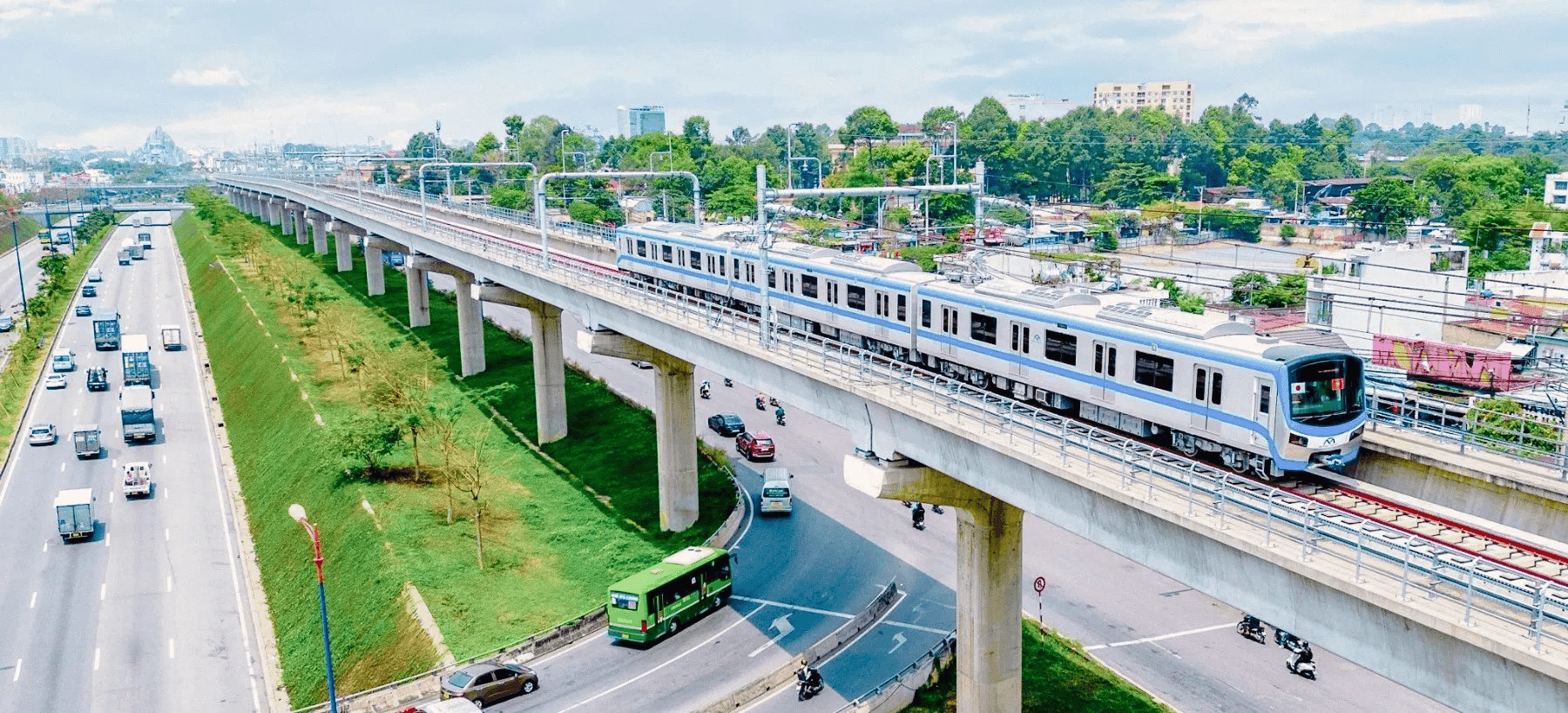
Priority is given to developing transportation infrastructure to shorten travel time to under 60 minutes, including highways, belt roads, high-quality buses, and direct metro or rail connections.
In parallel, building an ecosystem of “comprehensive guest reception” at Long Thanh airport is considered essential. This includes a Ho Chi Minh City tourism information desk, a visitor assistance center, and on-site car, hotel and tour services, with the aim of turning Long Thanh into an “intelligent tourism gateway,” not merely a transfer hub.
During the second phase of airport operation, standardizing signage and service procedures, and using technologies such as digital maps and travel apps, is also necessary. Linking transport services between the two airports is intended to avoid an experience gap of “two airports—two different experiences.”
The Department of Tourism said Ho Chi Minh City should coordinate with airlines and online travel platforms (OTAs) to provide transparent information on distance, travel time, connectivity options and experiences at Long Thanh airport, reducing the “shock of change” for international visitors.
The department will also study additional experiences such as cuisine, shopping and nightlife, and design 1- to 2-day tours starting from Long Thanh airport to keep the city as a must-visit destination in travelers’ itineraries.
Regarding travel routes, experts said gradually moving international operations to Long Thanh is strategically appropriate for the long term and could attract more international flights to Vietnam, supporting the tourism industry. However, in the early stages, transportation problems are expected, including longer travel times that could raise trip costs and tour prices and influence travelers’ decisions—particularly for business trips or short itineraries.
The shift may also affect domestic flights that connect to international routes, as domestic passengers flying to Tan Son Nhat to continue internationally would need to travel to Long Thanh, increasing time and costs.
Investors therefore argued for early investment in high-speed public transport directly linking the two airports, particularly rail or express buses. In the initial phase, they said policies to subsidize public transport usage should be considered. If the system relies on private vehicles, costs and congestion risks could rise significantly.
Experts concluded that during the transition period, coordinated infrastructure, services and communications will be critical to success and will determine Ho Chi Minh City’s ability to maintain its competitiveness on the international tourism map.

Premium gym chains are entering a “golden era” that is ending or already in decline, as rising operating costs collide with shifting consumer preferences toward more flexible, community-based ways to exercise. Long-term memberships are shrinking, margins are pressured by higher rents and facility expenses, and competition from smaller, more personalized…