From May 25, 2026, a new regulation on extended producer responsibility (EPR) for recycling has taken effect in Vietnam, setting out the responsibilities of producers and importers for recycling products and packaging. The decree clarifies who must implement recycling, the forms of recycling, and the mandatory recycling rates for specific groups, including packaging, batteries and cells, motor oil, tires, electronics, and road vehicles.
Under the decree, producers and importers of products and packaging—covering packaging, batteries and cells, motor oil, tires, electronics, and road transport vehicles—must fulfill recycling responsibilities when bringing products to Vietnam, in line with the prescribed rates and methods.
The decree also specifies responsibility in several operational scenarios:
In addition, the parent company or a legally authorized unit may carry out recycling responsibilities for a subsidiary or an independently accounted branch.
Packaging subject to recycling includes consumer packaging, direct packaging, and outer packaging of goods such as food, cosmetics, medicines, fertilizers, animal feed, veterinary medicines, soap, detergents, cleaning products, and cement.
The decree lists circumstances where producers/importers are not required to meet recycling responsibilities, including:
For road vehicles, producers/importers of vehicles marketed from January 1, 2027 must assume recycling responsibilities for the vehicles they produce, import, and market.
The decree sets mandatory recycling rates for different categories. The rates provided include:
The decree notes that lithium and nickel-metal hydride batteries used for vehicles have a mandatory recycling rate of 0%. Current regulations keep rechargeable batteries at 8%, with the first adjustment scheduled for 2029, and increases not to exceed 10% per three-year cycle.
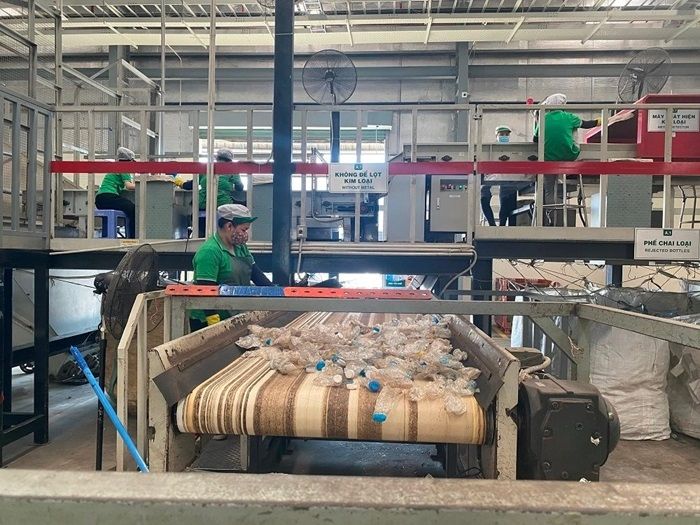
The article highlights that the plastics recycling industry needs a transparent value chain to move into higher-value segments. It also frames the EPR mechanism within circular economy thinking, aiming to recycle waste into resources.
The regulation is identified as Decree 110/2026/NĐ-CP, covering producers and importers, Vietnamese manufacturers, recycling methods, and the recycling timeline. Key terms mentioned include packaging, engine oil, circular economy, green economy, and lithium batteries (including EV batteries).