•
•
•
•
•
•
•
•
•
•
•
•
•
•
•
•
•
•
•
•
•
•
•
•
•
•
•
•
•
•
•
•
•


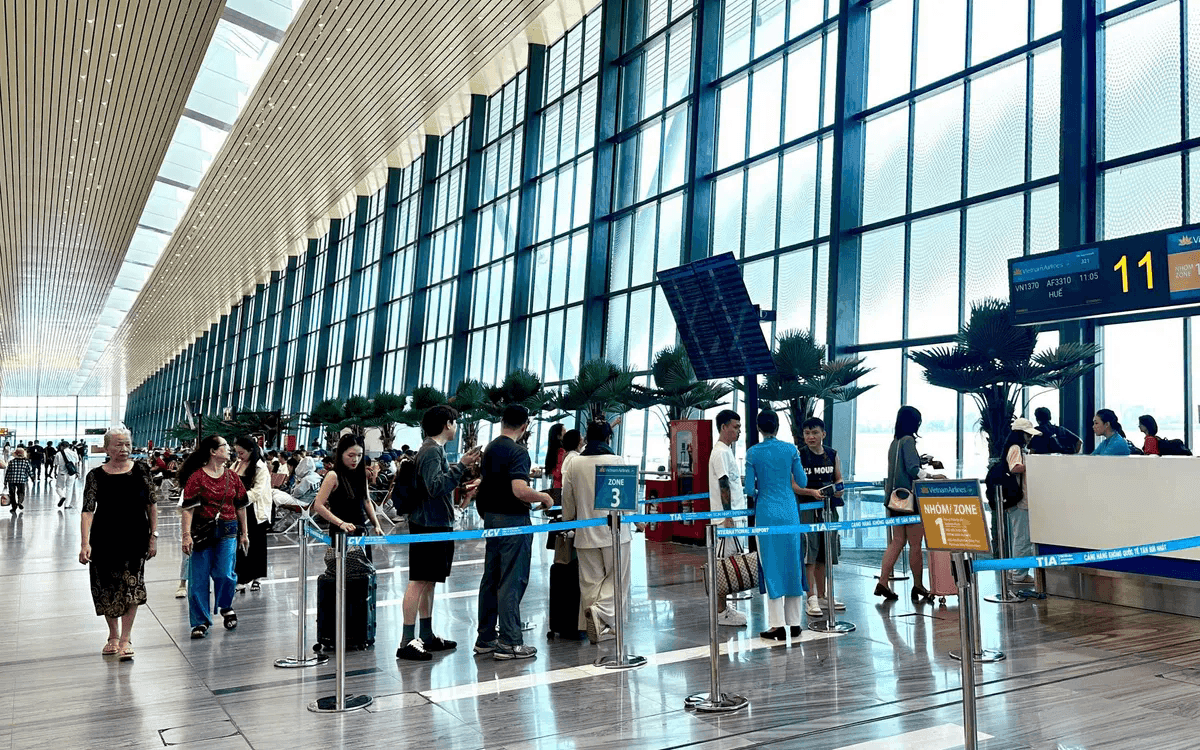
On the last day of the public holiday period (April 30–May 1), passenger throughput at Tan Son Nhat International Airport reached nearly 137,000, up about 24% from a typical day.
According to the Airport Operations Center, total flights for the day were expected to reach 795, including 397 departures and 398 arrivals. Departing passengers totaled over 61,700, while arriving passengers were about 75,000.
Terminal 3 and Terminal 2 recorded higher volumes of domestic and international passengers.
The peak periods from 6:00–9:00 and 16:00–20:00 were the busiest. The consolidated passenger flow led to congestion in many areas of the terminal, particularly during the period when passengers were returning to Ho Chi Minh City after the long holiday.
The concentrated travel demand in a single day placed significant pressure on airport operations.
To address the increase in demand, Tan Son Nhat International Airport developed a detailed operational plan. Units coordinated to continuously update flight information to allocate resources.
Check-in counters, baggage carousels, and departure gates were adjusted based on actual conditions. The objective was to reduce bottlenecks and avoid local overloading in each area. The Flight Information Display System (FIDS) was optimized to make flight information easier to monitor, and passengers who boarded the wrong terminal were assisted promptly.
The airport also implemented biometric identification at Terminal 3 to help shorten check-in times and reduce pressure at gate areas.
During the period, the aviation sector applied heightened security measures at Level 1 nationwide, from April 29 to May 4. Security personnel maintained strict checks and monitoring in key areas and coordinated rapid handling of incidents such as delays or cancellations.
Airlines deployed staff at counters and boarding gates to provide timely information and prevent passenger dissatisfaction. The airport’s youth union also supported operations during peak hours, focusing on guiding, channeling, and answering inquiries.
Weather forecasting was strengthened as well. The airport actively updated unfavorable weather factors to adjust flight plans accordingly.
The airport said the expected peak day of the holiday period would bring a large passenger volume but remained under control, noting it as a test of the operational capacity of the country’s largest airport amid rising travel demand.







Premium gym chains are entering a “golden era” that is ending or already in decline, as rising operating costs collide with shifting consumer preferences toward more flexible, community-based ways to exercise. Long-term memberships are shrinking, margins are pressured by higher rents and facility expenses, and competition from smaller, more personalized…



