•
•
•
•
•
•
•
•
•
•
•
•
•
•
•
•
•
•
•
•
•
•
•
•
•
•
•
•
•
•
•
•
•


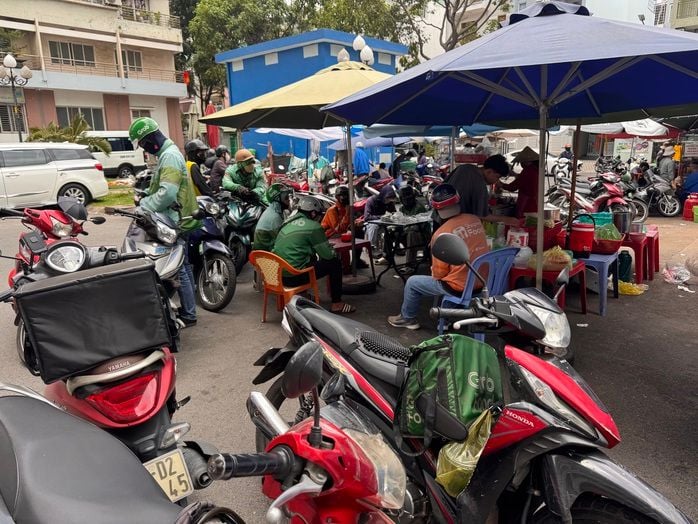
With ride-hailing services delivered through technology-enabled platforms, users pay not only the fare calculated per kilometer, but also a range of additional charges and surcharges. On April 23, Grab announced an increase in its platform fee starting April 28, with the added amount varying by service type shown in the app.
GrabBike users will pay a higher platform fee of 3,000 dong per ride. For four-wheeled services (excluding GrabTaxi), platform fees will apply at 5,000–19,000 dong per ride, depending on the pickup area and the distance traveled.
In delivery services, Grab will apply additional service fees. For GrabExpress, the service fee will range from 4,000 to 11,000 dong depending on the selected service type. For GrabFood and GrabMart, service fees will be 4,000 or 6,000 dong, depending on the partner model.
Compared with the earlier fee schedule, many amounts have been increased:
Grab said the increase is intended to sustain platform operations, upgrade technology, add features, implement promotions, and enhance the experience for both users and driver-partners. The company also stated that the fee adjustment will help increase resources for driver-support programs nationwide.
Be Group said the “platform fee” is a fixed charge collected per trip to maintain platform operations, customer service, and feature development, and that costs have been integrated into the fare displayed from the outset, along with VAT. Be also said it has not changed the structure of the fees currently in effect.
Beyond the platform fee, ride-hailing platforms also apply other surcharges, including weather surcharges (rain, heat), nighttime surcharges, trip-insurance surcharges, carbon-offset charges, small-order fees, cancellation fees, long-wait fees, and congestion fees. These surcharges range from 5,000–20,000 dong per ride, depending on specific conditions.
Market analyst Tran Anh Tuan said that offering many fees and surcharges can confuse consumers and make it difficult to understand the price structure. “Many customers do not know exactly which charges they are paying and only see the total fare; if charges were itemized clearly rather than bundled into the fare, customers might react more strongly and consider platforms with reasonable fee levels,” he said.
He called for closer oversight by authorities to ensure transparency and protect consumer rights.







Premium gym chains are entering a “golden era” that is ending or already in decline, as rising operating costs collide with shifting consumer preferences toward more flexible, community-based ways to exercise. Long-term memberships are shrinking, margins are pressured by higher rents and facility expenses, and competition from smaller, more personalized…