•
•
•
•
•
•
•
•
•
•
•
•
•
•
•
•
•
•
•
•
•
•
•
•
•
•
•
•
•
•
•
•
•



Travelex Bank, the first foreign exchange bank approved by Brazil’s Central Bank, is expanding its use of Ripple Payments to support instant cross-border settlement. The move is intended to lower transaction costs and enable near-instant transfers, building on Travelex’s earlier adoption of Ripple’s On-Demand Liquidity (ODL) integration, first launched in August 2022.
Brazil processes more than $780 billion in annual cross-border payment flows, making it a major emerging-market corridor. Ripple’s ODL was first adopted by Travelex Bank in August 2022, with the bank becoming the first institution in Latin America to use ODL with XRP as a bridge currency. The original integration led to ten new clients within one year of joining the network.
The expanded use of Ripple Payments deepens that integration by leveraging Ripple’s end-to-end infrastructure. Travelex says the approach is designed to reduce operational costs, eliminate multiple intermediaries, and provide 24-hour settlement access across corridors where pre-funded capital requirements have historically increased cost and friction.
Travelex Bank’s regulatory status as Brazil’s first Central Bank-approved foreign exchange bank is also cited as a factor that can make blockchain infrastructure adoption less complex than for conventional commercial banks operating under different licensing frameworks.
A US Faster Payments Council report separately names Ripple among key innovators supporting G20 payments modernization, identifying Ripple alongside Stellar. The report’s framing reflects a broader shift in how blockchain-based payment infrastructure is viewed since Ripple’s legal conflict with the SEC began in 2020.
Under the G20 payments roadmap, by 2027, 75% of global cross-border transfers are targeted to be credited within one hour, with transaction costs falling to as low as one cent. By 2030, the roadmap targets at least 90% of the global population having access to at least one cross-border remittance provider. Ripple’s infrastructure is described as ISO 20022-compliant and designed to align with these target specifications, including liquidity management and sub-second settlement.
The article also points to Ripple’s institutional expansion during April 2026. It cites a blockchain remittance proof-of-concept with South Korea’s KBank on April 27, and a second Korean institutional deal completed in the same month following a partnership with Kyobo Life Insurance on April 15.
In addition, the article states that Ripple acquired BC Payments Australia to secure an Australian Financial Services License ahead of new crypto regulations taking effect June 30, 2026. It also says Ripple has received approvals in Singapore, the UAE, the UK, and Ireland, and has been granted conditional approval for a US national trust banking charter by the Office of the Comptroller of the Currency.
The article further notes that SWIFT has been testing Ripple’s ODL and XRP as integration candidates for its cross-border payment modernization program. It cites XRP’s 3 to 5 second settlement time and a transaction cost of $0.0002 as a performance profile that the article says competes with major legacy cross-border rails.
The US Faster Payments Council report does not represent a formal endorsement or certification of Ripple’s technology, but rather an identification of innovative solutions within the G20 payment framework context.



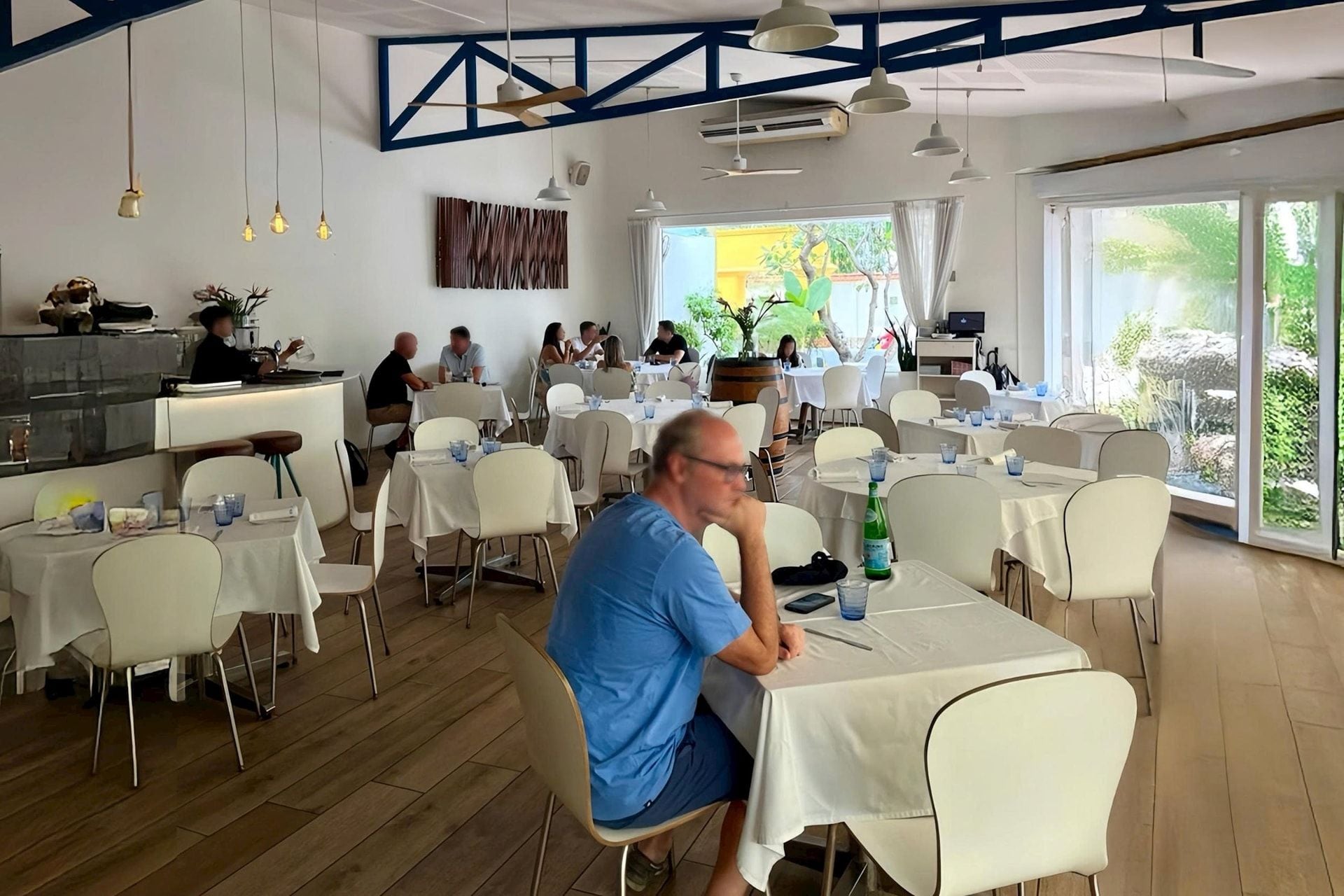


Premium gym chains are entering a “golden era” that is ending or already in decline, as rising operating costs collide with shifting consumer preferences toward more flexible, community-based ways to exercise. Long-term memberships are shrinking, margins are pressured by higher rents and facility expenses, and competition from smaller, more personalized…