•
•
•
•
•
•
•
•
•
•
•
•
•
•
•
•
•
•
•
•
•
•
•
•
•
•
•
•
•
•
•
•
•


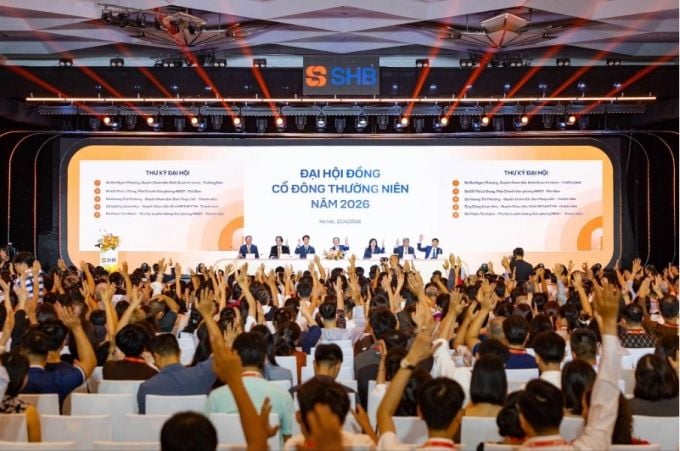
SHB reported nearly 3,000 shareholders attended its 2026 Annual General Meeting (AGM) in person, a record turnout for the bank’s AGMs. Each attending shareholder received a cash gift of 200,000 dong, and SHB also transferred this gift to shareholders who did not attend. SHB currently has over 160,000 shareholders and its shares are listed in the VN30 basket, maintaining high liquidity. In 2025, the ticker recorded trading volumes of more than 100 million shares in several sessions.
SHB’s leadership said the large attendance reflects investor interest in the bank’s business performance and growth prospects. At the meeting, SHB presented its 2025 business results and outlined strategic priorities for the coming period.
SHB reported the following key figures for 2025:
SHB plans to pay 2025 dividends with a total payout of 16%, consisting of 6% in cash and 10% in stock. The AGM also approved the dividend policy and a capital-raising proposal.
For 2026, SHB plans to distribute an 18% dividend to shareholders. The meeting further approved a plan to establish a wholly-owned SHB commercial bank at the Vietnam International Financial Center.
SHB’s leadership highlighted ongoing strategic cooperation with large groups and enterprises, providing capital and financial solutions for ecosystems and value chains.
The bank is implementing a comprehensive transformation strategy built on four pillars:
SHB said the strategy is intended to broaden growth potential and provide a platform to participate more deeply in the economy’s value chains, supporting enterprises in expanding investment, improving competitiveness, accelerating digital transformation, and promoting green development.
A representative from the State Bank praised SHB’s efforts to streamline its organization, enhance operational efficiency, and implement a new brand identity, describing it as evidence of leadership commitment to renewal and a long-term vision.
Chairman Do Quang Hien said SHB will continue to mobilize internal resources, improve operating efficiency, and pursue sustainable development, balancing the interests of customers, shareholders, and partners while contributing to the economy’s overall growth.








Premium gym chains are entering a “golden era” that is ending or already in decline, as rising operating costs collide with shifting consumer preferences toward more flexible, community-based ways to exercise. Long-term memberships are shrinking, margins are pressured by higher rents and facility expenses, and competition from smaller, more personalized…




