•
•
•
•
•
•
•
•
•
•
•
•
•
•
•
•
•
•
•
•
•
•
•
•
•
•
•
•
•
•
•
•
•


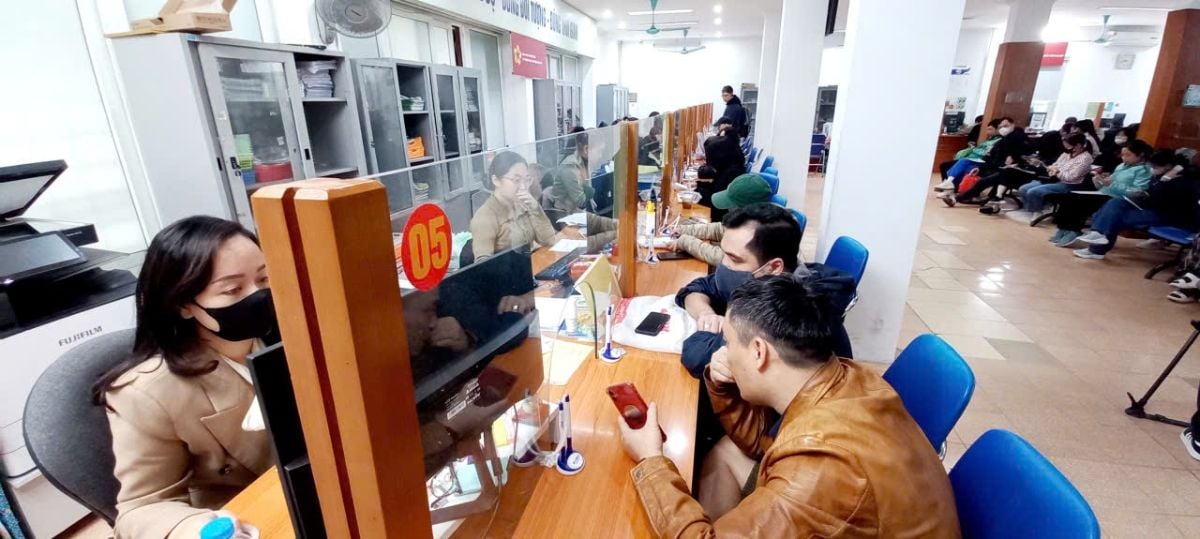
The Ministry of Home Affairs has released the results of the Public Satisfaction Index with services of state administrative agencies for 2025 (SIPAS 2025). The nationwide survey collected 36,000 responses from 720 communes/wards across 34 provinces and cities.
In 2025, overall public satisfaction with state administrative services reached 83.09%, down 0.78 percentage points compared with 2024 (and up 0.43 percentage points versus 2023).
By component, satisfaction was 83.08% for policy development and implementation (down 0.68 percentage points from 2024) and 83.11% for the provision of public administrative services (down 0.91 percentage points from 2024).
Across the 34 localities, satisfaction ranged from 77.92% to 91.12%, leaving a 13.20 percentage-point gap between the highest- and lowest-performing provinces/cities. Haiphong, Quang Ninh and Dong Nai ranked highest, while Lai Chau, Lang Son and Cao Bang were the lowest.
The report also indicates similar variation in satisfaction levels for specific content areas across provinces and cities.
The Ministry of Home Affairs said opportunities for citizen participation and feedback mechanisms remain limited. Satisfaction with opportunities to participate in policy formulation and implementation was 82.83%, down 0.30 percentage points from 2024. Satisfaction with the Public Administrative Service Center/One-Stop Shop for receiving, processing feedback and recommendations was 82.49%, down 0.92 percentage points from 2024. This is described as one of the lowest-satisfaction areas and has not shown clear improvement over the years.
The report highlights a “gap between awareness and action.” While interest in nine policies ranged from 77.27% to 82.16%, the share of citizens participating in policy input through consultation forms did not reach 50%. Participation via residents’ meetings was 46.83%, while online forms accounted for only around 10%.
Traditional information channels continue to dominate. The channels most used by citizens to access policy information, provide policy input, and carry out public administrative services are direct channels. Online channels accounted for 39.11% of policy information access, 21.18% of policy input, and 29.87% of performing administrative services (end-to-end online and partial). The Ministry said this suggests digital transformation in information provision and public services has not fully penetrated into the public sphere.
In 2025, citizen expectations for improvements in service quality ranged from 86.22% to 88.65%. Priority areas identified include strengthening the capacity of civil servants, improving the handling of feedback and recommendations, and upgrading facilities and equipment to serve the public.
Expectations were relatively consistent across localities, ranging from 79.38% to 92.91%, indicating nationwide demand to improve service quality.
The Ministry of Home Affairs said SIPAS 2025 results imply that administrative reform should be adjusted in a timely manner to maintain and raise service quality and better meet citizens’ rising needs and expectations for state administrative agencies.
SIPAS results include 37 indicators of perceptions/assessments, 51 indicators of satisfaction, and 10 indicators of needs/expectations, providing a comprehensive view of public service quality. The Ministry noted that SIPAS 2025, together with annual SIPAS indices since 2017, is both a measure of satisfaction and part of the public governance framework, supporting administrative reform and a citizen-centered administration aimed at improving citizens’ quality of life.
Premium gym chains are entering a “golden era” that is ending or already in decline, as rising operating costs collide with shifting consumer preferences toward more flexible, community-based ways to exercise. Long-term memberships are shrinking, margins are pressured by higher rents and facility expenses, and competition from smaller, more personalized…