•
•
•
•
•
•
•
•
•
•
•
•
•
•
•
•
•
•
•
•
•
•
•
•
•
•
•
•
•
•
•
•
•


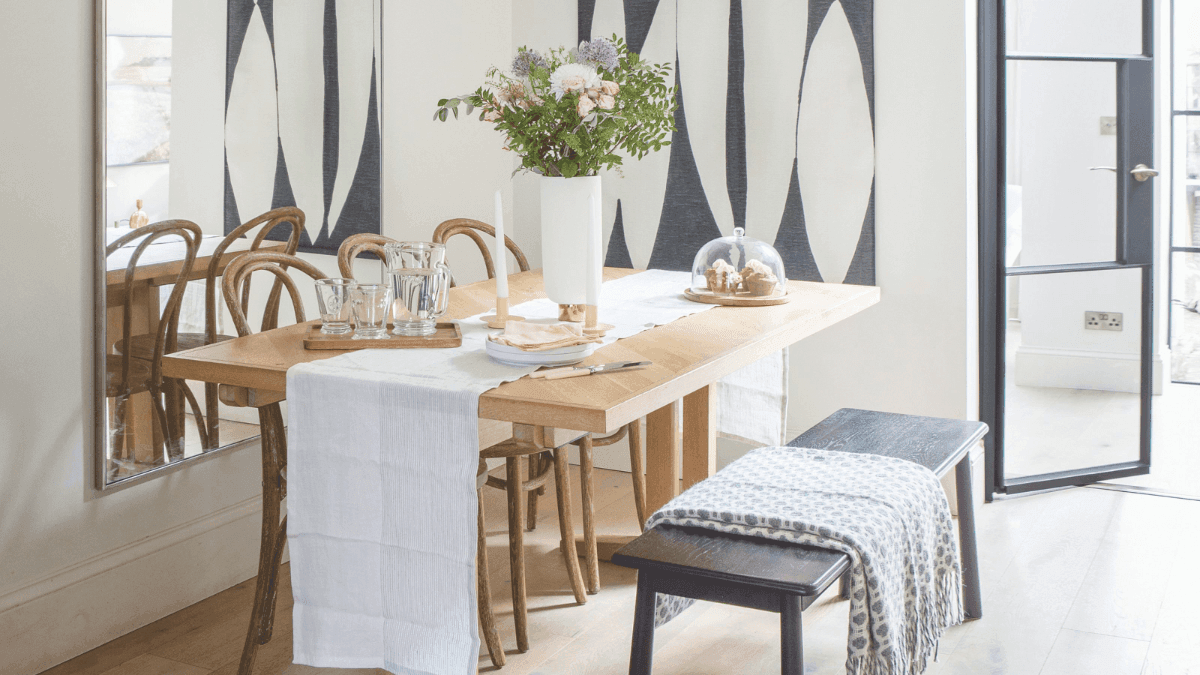
As living spaces become increasingly compact in cities, the layout of the dining area must be planned carefully to be both comfortable and functional. A small dining room can be just as attractive—and sometimes even more refined—than larger spaces.
Architectural designer Chad Graci, based in New Orleans, said a small dining room can feel more open when it is “wrapped in a cohesive color palette,” and when the space is “framed” with fabric or color to create a seamless, coordinated feel. He also highlighted the use of mirrors, noting they help increase depth and create the illusion of a larger space.
Design director Nina Venice of Four Hands emphasized that proportion is the key factor. “Bulky furniture can disrupt the harmony of a space that is intended to be elegant—and the reverse is true as well.” She added that furniture that is too small can make a room look cramped, while crowding in too-large pieces or too many items can make the space feel suffocated.
Venice said the goal of any dining room is to create a warm, airy, and inviting atmosphere, making it especially important to choose furniture that matches the space’s scale.
Designer Heather French in Santa Fe suggested using a banquette on one side of the table to maximize space. “Use a banquette to optimize the footprint,” she said, adding that it can be placed in a corner or along a walkway to turn constraints into opportunities.
French also recommended round tables over square-edged ones, saying a round table helps create flow and makes the room feel more spacious.
Built-in wall-mounted storage systems were also described as an efficient storage solution, particularly for homeowners who frequently entertain in limited space. The article also noted that mirrors and windows can visually “open up” a room.
In a dining room with limited area, function must come first, with every piece of furniture having a clear purpose. A round or oval dining table can help keep sight lines open and reduce the risk of bumping into table legs. Pedestal-style table legs were cited as a way to remove the clutter of traditional legs.
The article recommended chairs with open backs to help the space feel more expansive, stating that open-back designs do not compromise comfort or aesthetics. It also suggested choosing chairs without arms when space is tight, prioritizing light visual weight to keep the room airy.
When furniture must be placed against a wall, the article advised making full use of that area. A wall-mounted banquette was described as a way to free up circulation and turn tight corners into ideal seating.
Additional practical suggestions included choosing a slim console table instead of bulky dining room sideboards, and hanging a mirror to make the room feel larger and warmer.
For small apartments with open-plan layouts, the article suggested “floating” a sofa so the back of the sofa becomes a natural divider between living and dining areas. It described this as a classic open-plan technique that remains effective.
Other ideas included adding a console table to delineate spaces, using rugs to define areas, and using lighting to separate functions—lighting above the dining table alongside softer lighting for the lounge. The article also noted that a shared space can work smoothly like a multi-course meal, with each area serving a distinct role.
Overall, these spatial techniques were presented as a way for a small shared space to operate efficiently while distinguishing the dining area from the living area and maintaining a cohesive aesthetic.
Premium gym chains are entering a “golden era” that is ending or already in decline, as rising operating costs collide with shifting consumer preferences toward more flexible, community-based ways to exercise. Long-term memberships are shrinking, margins are pressured by higher rents and facility expenses, and competition from smaller, more personalized…