•
•
•
•
•
•
•
•
•
•
•
•
•
•
•
•
•
•
•
•
•
•
•
•
•
•
•
•
•
•
•
•
•


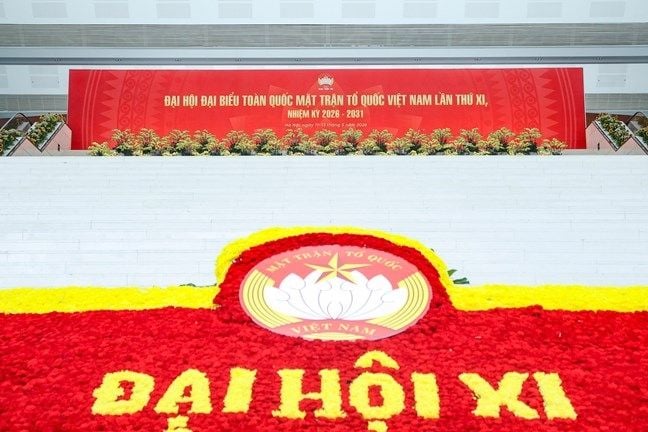
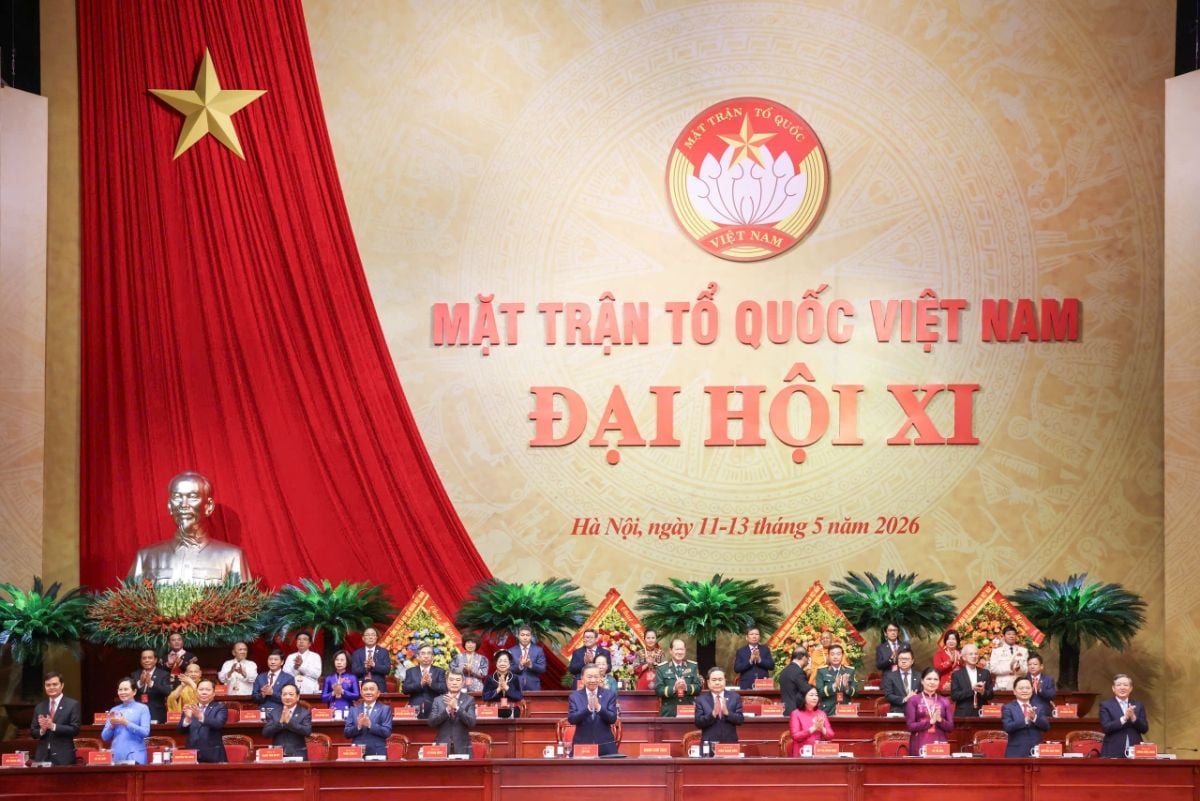
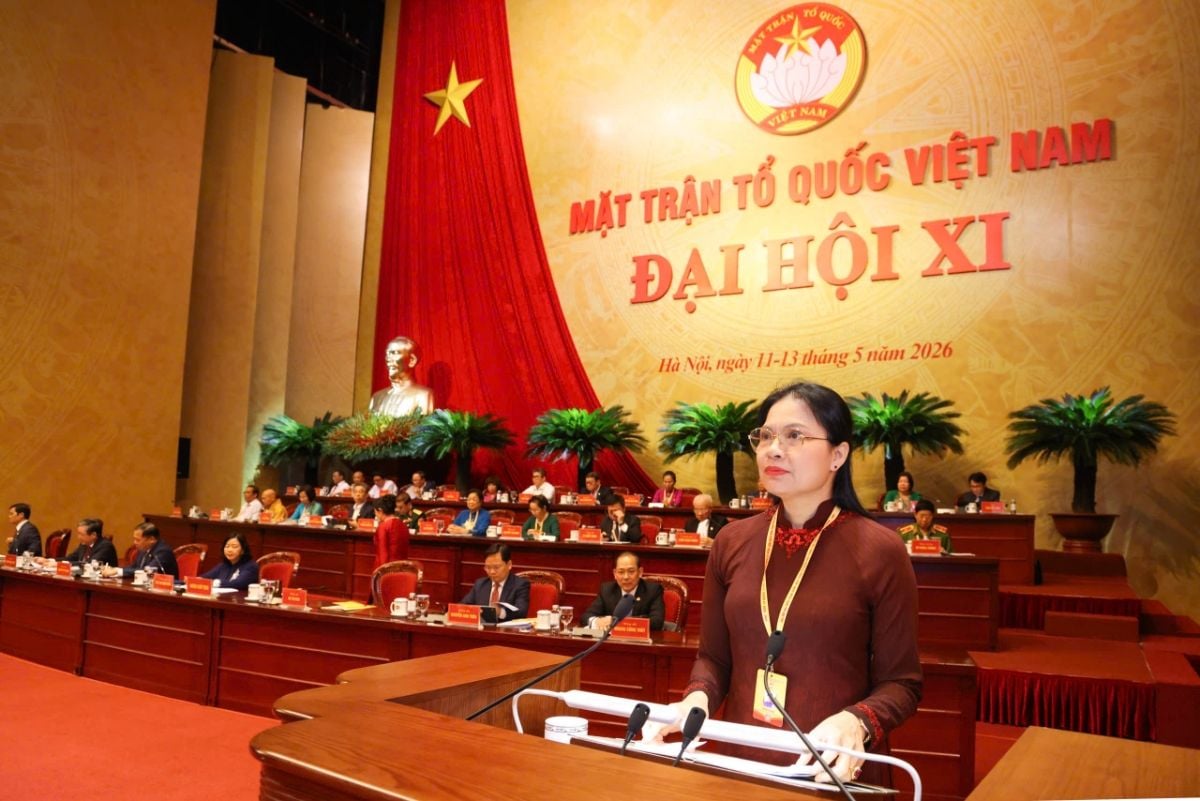
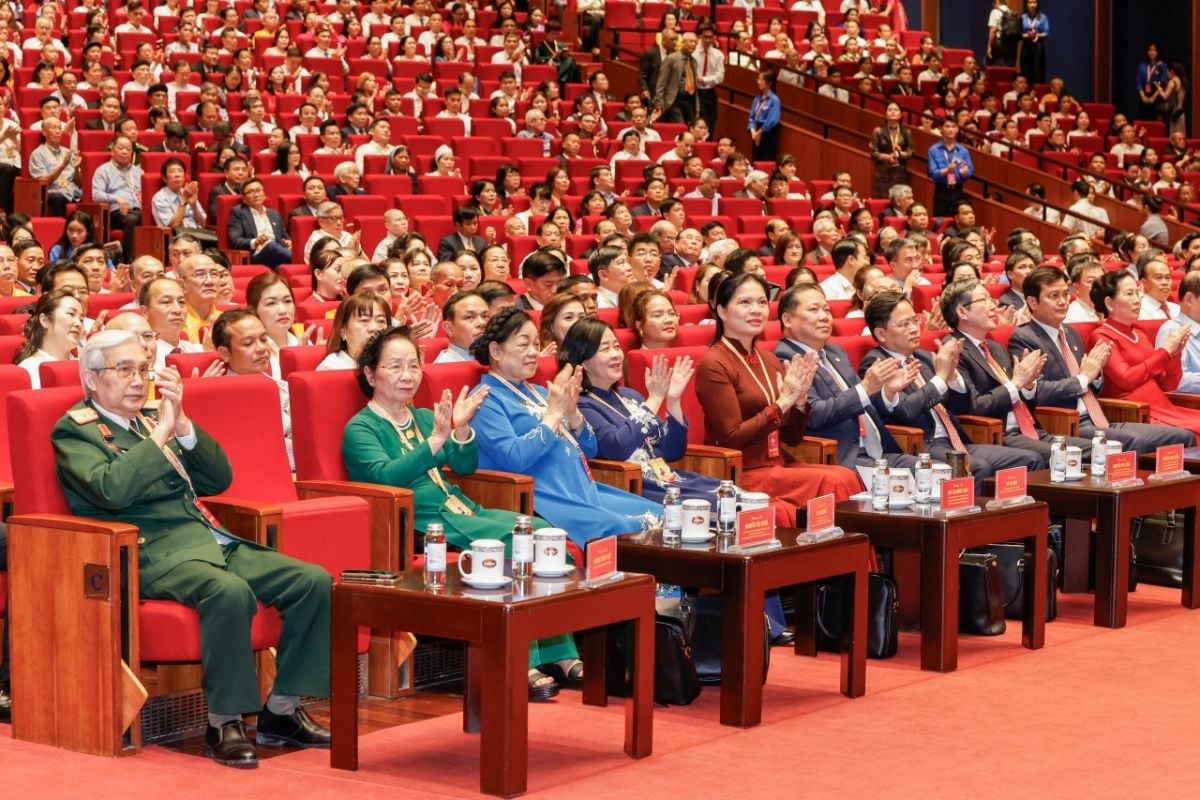
On the occasion of the congress under the theme “Unity – Democracy – Innovation – Creativity – Development,” the 11th National Congress of the Vietnam Fatherland Front for the 2026–2031 term took place from May 11 to May 13 at the National Convention Center in Hanoi. Comrade Bui Thi Minh Hoai, Politburo member and Secretary of the Central Committee of the Communist Party, also served as Secretary of the Party Committee of the Vietnam Fatherland Front and President of the Vietnam Fatherland Front Central Committee, among others, contributed an article titled “Vietnam Fatherland Front – A political backbone in gathering, uniting and promoting the people’s role in the new era according to the spirit of the Party’s 14th Congress.”
The 14th National Congress of the Communist Party of Vietnam concluded successfully, setting strategic objectives and a strategic vision for the next development phase and marking a historic shift as the country enters a new era toward milestones celebrating 100 years since the founding of the Party and 100 years since the founding of the Democratic Republic of Vietnam. To realize the aspiration of building a peaceful, independent, democratic, prosperous, civilized, and happy Vietnam under the Party’s leadership, the Vietnam Fatherland Front continues to innovate its content and methods of operation, streamline its organizational apparatus, and reaffirm its role as the political nucleus that strengthens unity, consultation, coordination, and unified action for the people’s livelihoods.
National unity is described as a precious tradition and an intrinsic resource of the Vietnamese people, cultivated through millennia of nation-building and defense. The article notes that Ho Chi Minh consistently emphasized the role and mission of unity, including the need to unite the broad masses—primarily workers, peasants, and other working classes—and to organize the people under a leadership structure linked to the National Unity Front.
It states that, building on Ho Chi Minh’s legacy, unity has been identified as a core value and strategic path of the Party throughout the revolutionary process. The Vietnam Fatherland Front continues to confirm its central political role in strengthening and promoting national unity, with operations close to the people, rooted in localities, and focused on representing and mobilizing the people.
Over the past four decades of reform, with Party leadership and closer collaboration among the government, the Fatherland Front, and member organizations, the Front has reaffirmed its role in consolidating the great national unity bloc and serving as a bridge between the Party, the State, and the people. The article says its activities have become more refined, proactive, and citizen-centered, while evolving mechanisms to support the “people-led” governance model and the two-level local government framework.
The article says the Front has advanced steps in data modernization, governance, and public engagement. It highlights movement toward a two-tier local government model to reduce intermediaries, streamline operations, and improve efficiency, while ensuring clear division of responsibilities and accountability.
The reform is described as aiming to bring activities closer to the grassroots, strengthen the role of mass organizations, and improve management and use of data and digital platforms to inform policy, public communication, and civic participation.
Across all levels, the Front has strengthened monitoring and public feedback mechanisms, organizing supervision activities, consultation meetings, and public discourse to gather citizen opinions on policy and lawmaking. The article also notes that direct dialogues between top leaders and citizens are used to disseminate government policies and collect timely input.
The article describes people-centric campaigns and mass movements gaining momentum, including large-scale efforts to eradicate temporary housing and dilapidated buildings, and environmental campaigns under the three pillars of “green – digital – creative.” It also states that the Front participates in anti-corruption oversight, transparent public budgeting, and community support programs to reduce poverty and improve living standards.
It adds that public donations and government support are coordinated to assist disaster-affected communities and vulnerable groups, underscoring unity and social solidarity.
A major priority highlighted is the implementation of the project “Digital Transformation of the Vietnam Fatherland Front (2025–2030, with a vision to 2035).” The article says this includes better data sharing across the Front and partner organizations, integration with national databases, building a shared data center, ensuring cyber security, and establishing information security protocols for the use of digital platforms.
The Front also emphasizes reforming and professionalizing public oversight and feedback to address substantive issues that matter to citizens, particularly through mechanisms such as the “Listening to the People” month and expanded public consultations. The article states the aim is to codify early participation in policy design through legislation and regulations, and to ensure citizen opinions are addressed through rigorous monitoring and accountability.
In cooperation with member associations, the Vietnam Fatherland Front will continue to harness the power of public unity to advance national development and defense and to realize the Party’s strategic goals for 2030 (middle-income, modern industry) and 2045 (developed, high-income economy), while upholding a peaceful, independent, democratic, prosperous, and civilized nation.
Premium gym chains are entering a “golden era” that is ending or already in decline, as rising operating costs collide with shifting consumer preferences toward more flexible, community-based ways to exercise. Long-term memberships are shrinking, margins are pressured by higher rents and facility expenses, and competition from smaller, more personalized…