•
•
•
•
•
•
•
•
•
•
•
•
•
•
•
•
•
•
•
•
•
•
•
•
•
•
•
•
•
•
•
•
•


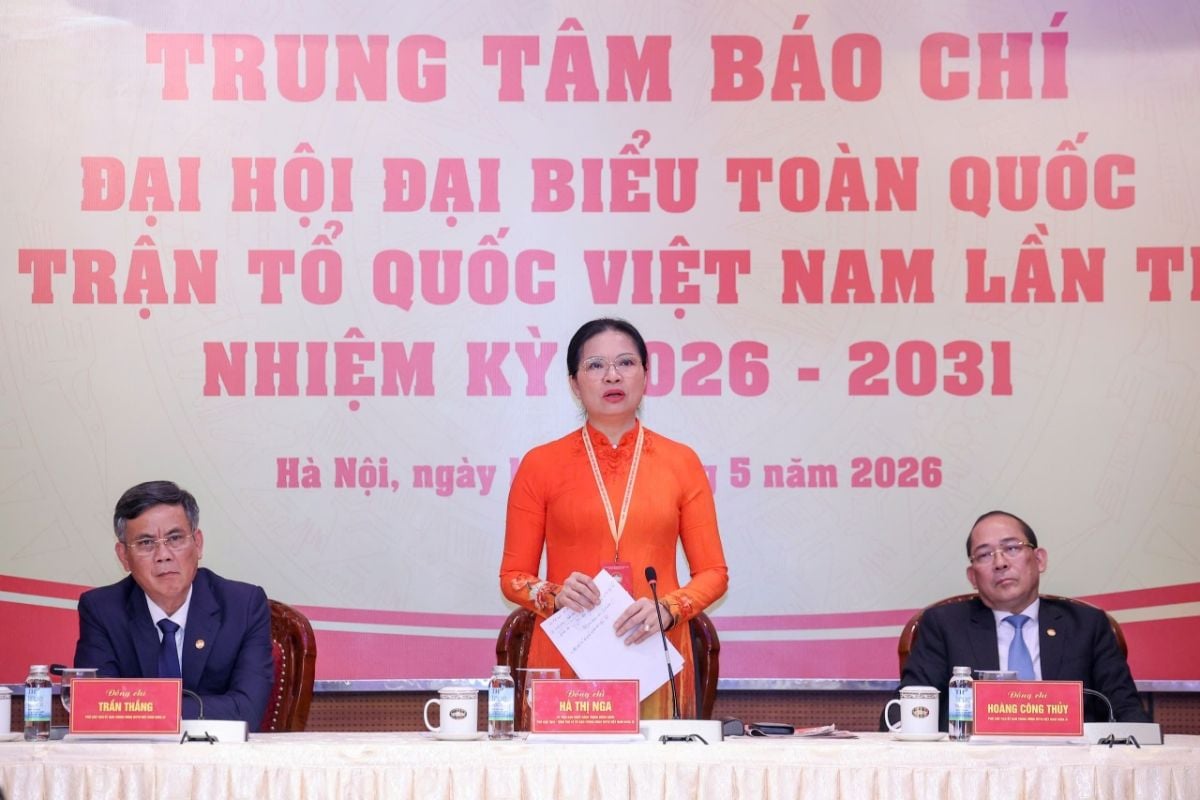
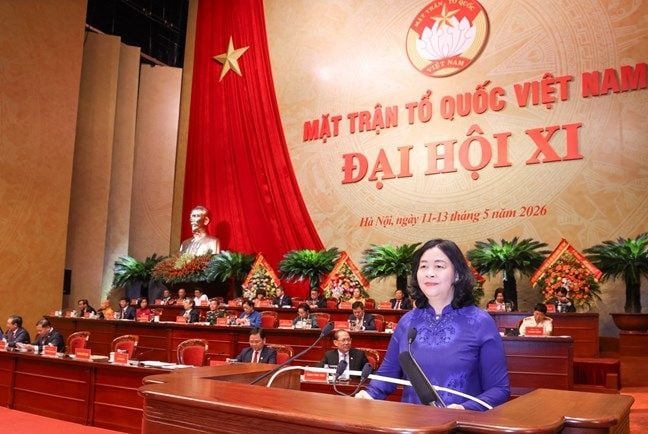
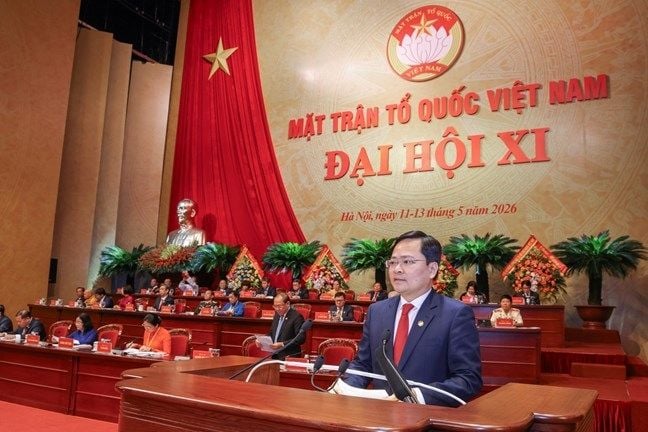
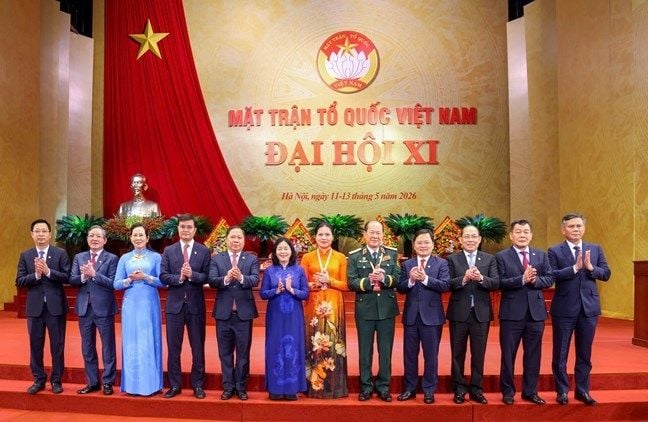
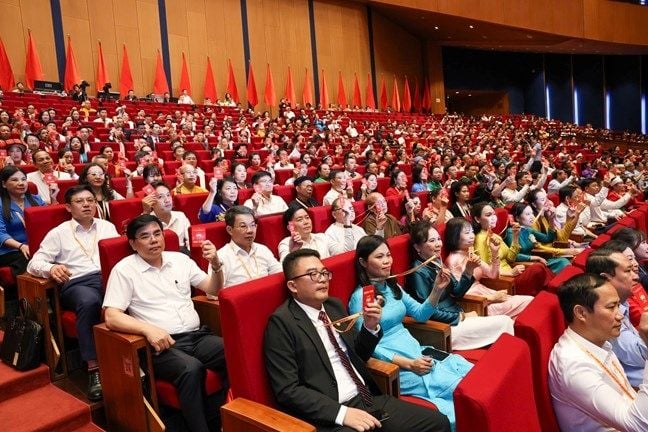
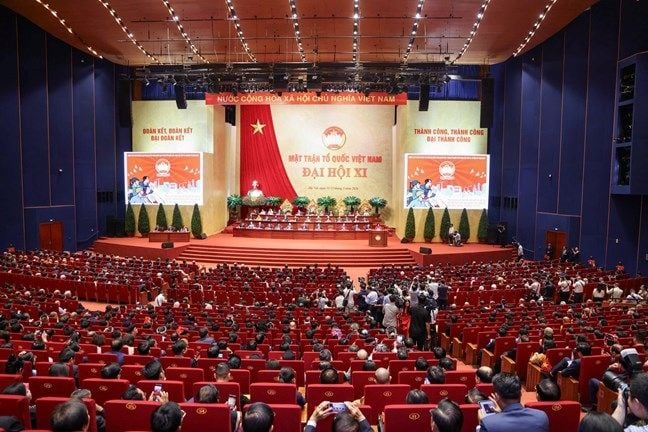
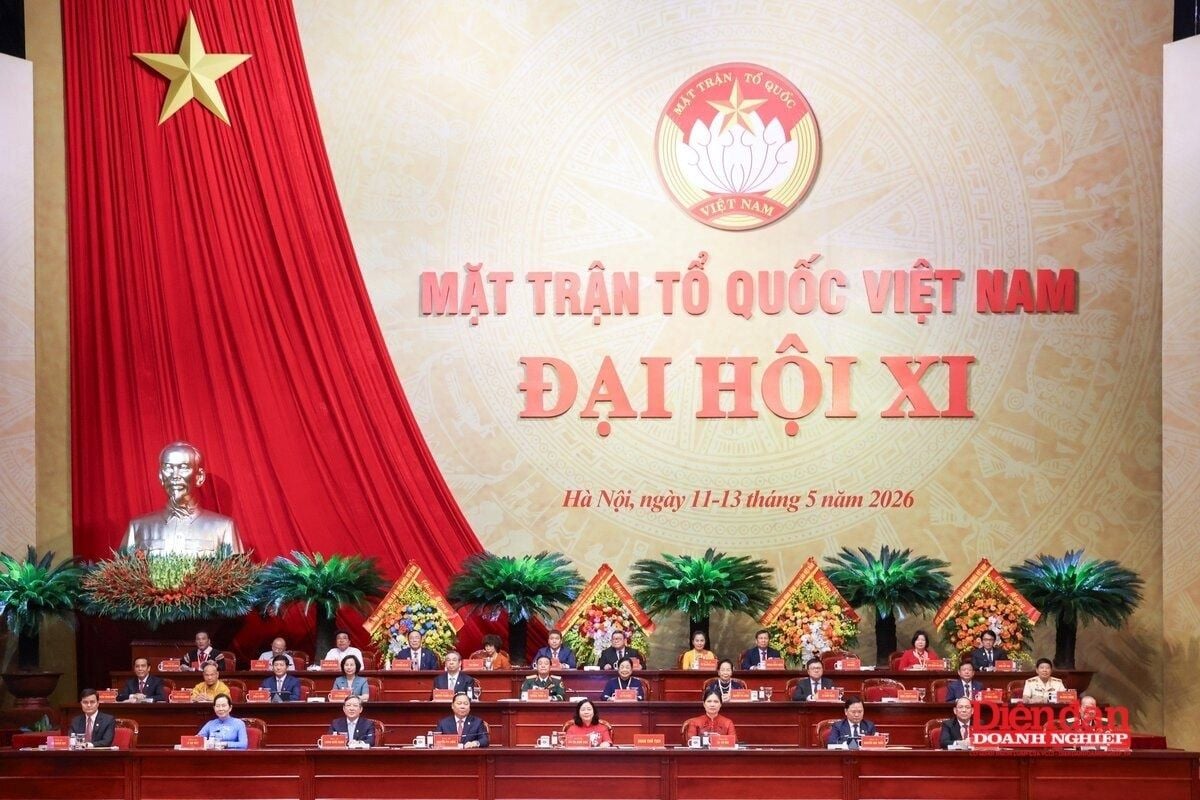
Morning of May 13, 2026, after the closing of the 11th National Congress of the Vietnam Fatherland Front for the 2026–2031 term, the Standing Board of the Central Committee of the Vietnam Fatherland Front held a press conference to inform the results of the Congress.
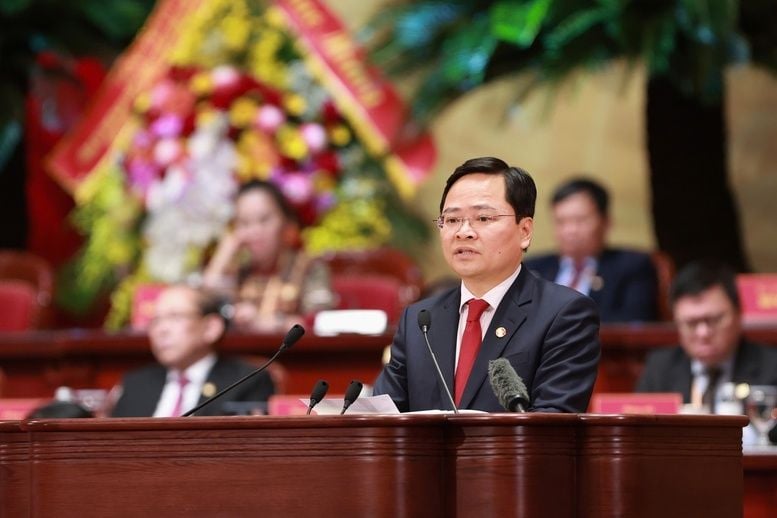
The press conference was chaired by Ms. Ha Thi Nga, a member of the Party Central Committee, Vice-Chairwoman and General Secretary of the Central Committee of the Vietnam Fatherland Front. Vice Presidents of the Vietnam Fatherland Front—Hoang Cong Thuy, Tran Thang, Nguyen Duc Phong, and Cao Xuan Thao—also attended.
In discussing how to promote the Front’s role in the new term, Nga said that although the Front has no direct individual members, it has member organizations, including political-social organizations and mass organizations assigned by the Party and State. She said the Front’s role is to coordinate and harmonize actions across activities.
Nga said the Front’s coordinating role has been “gradually affirmed.” She added that the Presidium’s composition changed from 55 members to 33 members, but coordination in guiding the Congress’s proceedings “ran smoothly.”
She also said the Front adjusted the Congress program content for the term, contributing to the Congress’s success and demonstrating the Front’s coordinating role.
Nga said the Front has completed collecting content to supplement and amend Decision No. 304-QĐ/TW dated June 10, 2025 of the Politburo on the functions, duties, and organizational apparatus of the Central Agency of the Vietnam Fatherland Front.
According to Nga, the amendments will be proposed to the Politburo and the Secretariat to better define the tasks, functions, and apparatus of political-social organizations under the Front, ensuring independence in line with their charters.
On the initiative “Month of Listening to the People,” Nga said it is not an ordinary dialogue, but a periodic direct dialogue between representatives of various social strata and leaders of the Party and State. She described it as a broad dialogue across different classes.
Nga said that in the near future, the Vietnam Fatherland Front will implement the initiative concretely to listen to people’s opinions, ensuring objectivity, comprehensiveness, and coverage across all fields, “especially topics that voters and the people are currently concerned about.”
Regarding Hanoi’s five bottlenecks, Nga said the Front is defined by the Constitution to supervise and provide feedback. She said the Front will use channels such as “Front 24/7” to receive people’s opinions.
Nga also said that “Front space” was displayed at the Congress. She added that the Front’s supervision is supervision by the entire people, and that opinions and petitions from the public will be transmitted to competent authorities to ensure substance and prevent legitimate concerns from going unanswered.
She noted that Party regulations require that after supervision and social feedback, the Front’s recommendations and related Party organs must report the results of implementing those recommendations. She said people’s satisfaction will be achieved when proposals and recommendations are implemented and answered most satisfactorily.
At the same press conference, Deputy Chairman Cao Xuan Thao said the Front and its member organizations will renew emulation movements and campaigns with clear subjects and concrete targets.
He said the results of the emulation campaigns should address the most pressing issues in people’s lives today. He also said the Front will encourage new emulation movements and campaigns targeting urgent issues, including “Bình dân học vụ số” (digital literacy for all), mobilizing people to participate in private sector development, and campaigns calling for “no to dirty foods” and “the whole population says no to counterfeit and substandard goods.”
Premium gym chains are entering a “golden era” that is ending or already in decline, as rising operating costs collide with shifting consumer preferences toward more flexible, community-based ways to exercise. Long-term memberships are shrinking, margins are pressured by higher rents and facility expenses, and competition from smaller, more personalized…