•
•
•
•
•
•
•
•
•
•
•
•
•
•
•
•
•
•
•
•
•
•
•
•
•
•
•
•
•
•
•
•
•


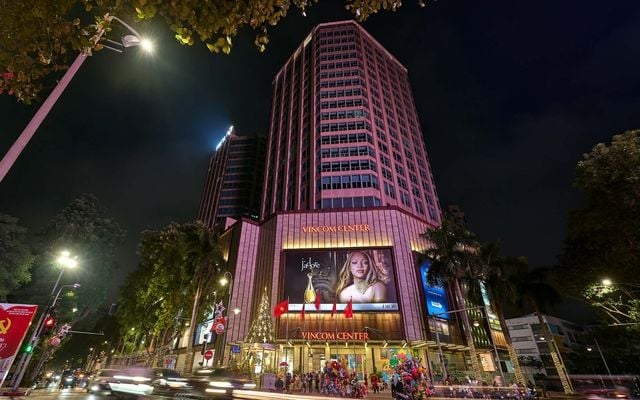
Vincom Retail (VRE) reported Q1 2026 consolidated revenue of 2,574 billion VND, up 20.7% year-on-year, including 280 billion VND of revenue from the sale of investment properties. Revenue from leasing and related services reached 2,208 billion VND, up 9% YoY, supported by improved occupancy across the mall network. Excluding Vincom Center Nguyen Chi Thanh, growth in rental income and related services was 11.8% YoY.
Net profit after tax in Q1 2026 was 1,606 billion VND, up 36.4% YoY. As a result, adjusted consolidated net revenue and after-tax profit accounted for about 25% and nearly 30% of the 2026 plan, respectively.
Vincom Retail said it continued upgrading products and enhancing the customer experience across its sites nationwide. In Q1 2026, experiential segments—including F&B and entertainment—continued to account for a large share of new leasing space, with experiential activities remaining a key driver for attracting customers.
In Q1 2026, almost one-third of the total new leased area was occupied by new brands, reflecting Vincom’s attractiveness to retailers seeking expansion in Vietnam. The system-wide occupancy rate reached 88.9% in Q1 2026, up 2.8 percentage points YoY.
The company organized nearly 3,000 events at malls and more than 270 events in shopping streets. Programs included the “Vui - Ngắm - Sắm - Tiện” series for the Tet season and weekend experience days featuring major promotions such as a bubble tea festival, hotpot festival, pastry festival, and idol signings.
Mall footfall totaled 55 million visits in Q1 2026, up 13.2% YoY. Foot traffic at shopping streets reached 6.4 million visits, up 15.9% YoY.
Vincom Retail plans to continue expanding in 2026, including the planned opening of Vincom Plaza Dan Phuong in Q3 2026 and the J-Town My Lâm shopping streets in Tuyên Quang in Q4 2026.

Premium gym chains are entering a “golden era” that is ending or already in decline, as rising operating costs collide with shifting consumer preferences toward more flexible, community-based ways to exercise. Long-term memberships are shrinking, margins are pressured by higher rents and facility expenses, and competition from smaller, more personalized…