•
•
•
•
•
•
•
•
•
•
•
•
•
•
•
•
•
•
•
•
•
•
•
•
•
•
•
•
•
•
•
•
•


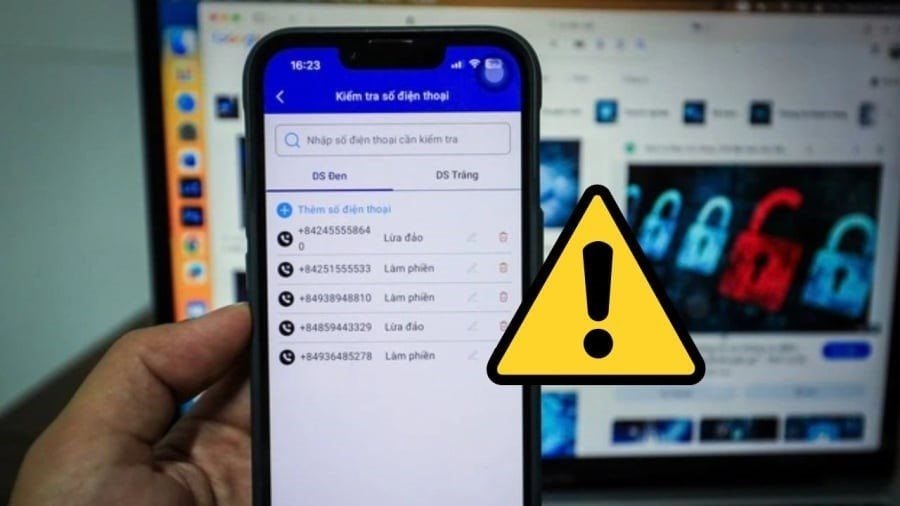
According to the Phu Tho Provincial Police, recently authorities have recorded a pattern where some individuals exploit bank account transfers to commit asset-impairing fraud with increasingly sophisticated methods. Although this method has been warned about many times, many citizens remain vigilant and become victims. Specifically, the perpetrators typically transfer a small amount into another person's account. After the transaction is completed, they quickly contact the account holder, impersonating the sender or pretending to be debt-recovery staff, and demand the return of the money already transferred. Not stopping there, the criminals also present various reasons to force victims to transfer additional funds, such as demands for 'interest', 'transaction fees', or other illogical charges. In addition to the above, some cases are more sophisticated when the perpetrator sends fake links with the excuse of 'confirming to refund' or 'carrying out procedures to receive the wrongly transferred money'. When victims click these links and follow the instructions, the perpetrators steal banking login credentials, OTP verification codes, or other sensitive personal data. From there, they can quickly take control of the account and withdraw the victim's entire money. Authorities say this is a dangerous scam because the criminals exploit the fear when unexpectedly receiving money into an account, and also exploit the public's lack of understanding in handling misdirected transfers. Additionally, the perpetrators often use forged information or anonymous accounts, making verification and processing difficult. To prevent risk, the Phu Tho Police advise people to be especially cautious when they detect money entering their account from unknown sources. First, absolutely do not use such money until the transaction information is clearly verified. If someone contacts you demanding repayment, people should only work directly with the bank to receive guidance on the proper procedures, and should not transfer money to strangers. Also, people should be wary of suspicious links or requests for account details, passwords, and OTP codes. If you receive a call claiming to be a bank employee, stay calm, verify the information, or go to a bank branch to handle it, avoiding guidance given over the phone. If there are signs of suspicious activity related to fraud, people should promptly contact their bank or the nearest police agency for timely assistance. Proactively staying vigilant and protecting personal information and bank accounts not only helps individuals avoid risk but also contributes to security in the digital transaction environment today. (Source: Phu Tho Provincial Police)
Premium gym chains are entering a “golden era” that is ending or already in decline, as rising operating costs collide with shifting consumer preferences toward more flexible, community-based ways to exercise. Long-term memberships are shrinking, margins are pressured by higher rents and facility expenses, and competition from smaller, more personalized…