•
•
•
•
•
•
•
•
•
•
•
•
•
•
•
•
•
•
•
•
•
•
•
•
•
•
•
•
•
•
•
•
•



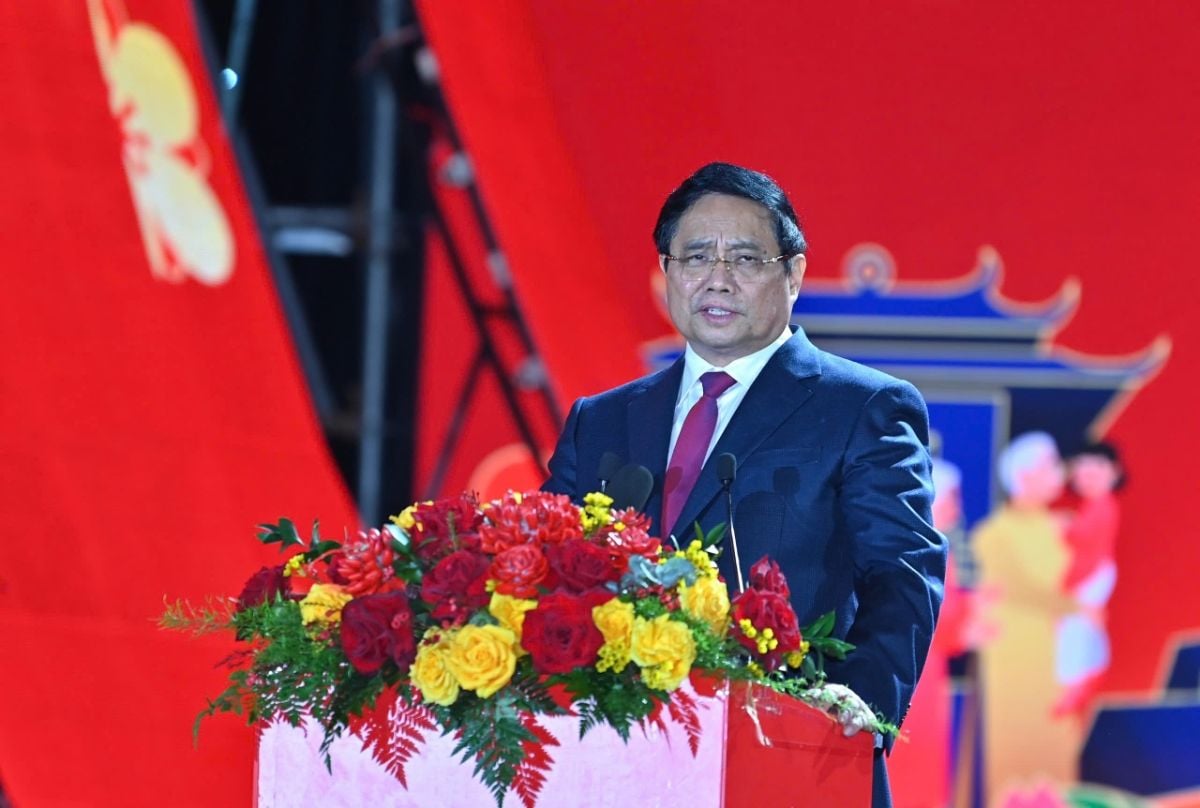
Vietnam launched the Month of Action on Occupational Safety and Hygiene for 2026 under the theme “Innovation in management and enhancing the effectiveness of occupational safety and hygiene in the digital age,” aiming to effectively control occupational accidents and work-related diseases while ensuring workers are protected toward safe, humane, and modern production.
At the same time, the Vietnam General Confederation of Labour launched the 2026 Workers' Month with the theme “Vietnamese workers: Innovation, increasing productivity.”
At the launching ceremony, Minister of Internal Affairs Do Thanh Binh said occupational safety, hygiene, and workers’ welfare have received special attention from the entire political system.
He noted that sustainable and civilized socio-economic development must be linked to ensuring workers can work in safe conditions and be cared for materially and spiritually. He said this is a common standard in sustainable development and international integration, supporting exports amid new supply-chain controls and new tariffs.
The minister also highlighted ongoing challenges and risks in occupational safety and hygiene, including that many employers still neglect improving working conditions or treat safety measures as a formality, while many workers do not yet fully understand the significance of safety practices—factors that contribute to continued tragic accidents.
“Our messages throughout are that worker safety must not be traded for production output and economic growth,” stressed Minister Do Thanh Binh.
Responding to the Month of Action, Bui Van Khang, Deputy Secretary of the Provincial Party Committee and Chairman of Quang Ninh People’s Committee, said the province will continue advancing the application of science and technology and digital transformation in managing occupational safety and hygiene.
He said Quang Ninh will build a governance system that regularly assesses risks of occupational accidents to proactively prevent incidents, with focus on high-risk sectors including mining, construction, processing, and fabrication.
The province will also emphasize training and upskilling a high-quality workforce and promote innovation among workers to raise productivity and enterprise competitiveness.
Speaking at the launch, Le Minh Tri, Politburo member and Secretary of the Central Internal Affairs Commission, emphasized that party committees, governments, agencies, unions, enterprises, and workers should promote the indomitable spirit of International Workers' Day on May 1.
He called for elevated responsibility and improved management, representation, and welfare protection to ensure lawful and legitimate rights of workers.
The content also points to continued efforts to improve labor, employment, wages, safety and hygiene policies, and to create a legal framework for developing and utilizing human resources and attracting and employing talented professionals.
Key priorities include promoting science and technology, innovation, and digital transformation as a new driver to raise national labor productivity in line with a new growth model.
Alongside ensuring sustainable employment and improving living standards, the initiative includes enhancing working conditions and expanding welfare and social security policies. It focuses on social insurance and broader support areas including housing, schools, childcare, healthcare, education, and cultural facilities, aimed at improving workers’ cultural and spiritual life.
The commitment includes proactively improving working conditions, managing risks, preventing occupational accidents and diseases, encouraging businesses to invest in technology and safety management alongside digital transformation, and ensuring full and timely implementation of policies on occupational accidents and diseases.
It also calls for strengthening the role of labor unions in caring for workers’ lives and protecting legal rights, including increasing the effectiveness of dialogue and collective bargaining—particularly on wages, safety and hygiene, working conditions, working hours and rest, and health care for workers.

Premium gym chains are entering a “golden era” that is ending or already in decline, as rising operating costs collide with shifting consumer preferences toward more flexible, community-based ways to exercise. Long-term memberships are shrinking, margins are pressured by higher rents and facility expenses, and competition from smaller, more personalized…