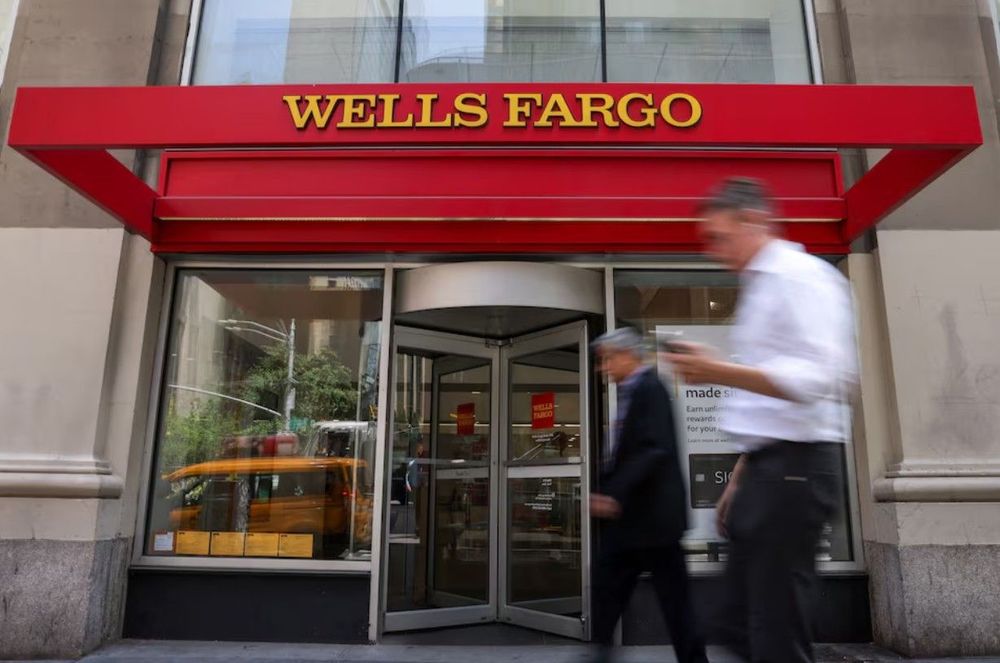
In March 2026, the U.S. Federal Reserve ended an enforcement action it had imposed on Wells Fargo following the bank’s fake-account scandal. The measure, which included an unprecedented asset cap, had been in place since 2028.
Wells Fargo issued no statement beyond confirming that the cap has been lifted. The removal is a major relief for the bank, which had faced restrained growth for nearly a decade. With the cap lifted, Wells Fargo can raise deposits, increase lending and expand operations.
The scandal centered on allegations that Wells Fargo employees secretly opened accounts to meet sales targets and earn bonuses. According to the U.S. Consumer Financial Protection Bureau (CFPB), employees concealed customers’ information starting in 2011, opening millions of bank accounts and credit-card accounts.
Wells Fargo says it fired 5,300 employees over the years for misconduct related to the issue.
A Wells Fargo-commissioned investigation found that employees opened up to more than 1.5 million illicit deposit accounts. The CFPB said employees then transferred funds from customers’ existing accounts into the new accounts, often without customers’ knowledge. Many transactions resulted in fees due to insufficient funds in the original accounts.
In addition, employees filed applications for more than 560,000 card accounts. The CFPB said about 14,000 of those generated more than $400,000 in fees, including annual charges and interest.
Some customers reported discovering the problem after seeing unexpected fees, receiving mail about cards they did not request, or receiving notices from creditors about accounts they did not know about. The CFPB said most customers did not notice because staff closed the accounts soon after opening them.
One customer, Brian Kennedy of Maryland, said he discovered an account opened in his name a year earlier. He reported it to the bank and said it was shut down. “I did not sign up for any account. I won’t be involved, and I have warned family and friends,” he said.
The CFPB said Wells Fargo will repay victims in full, including $185 million in penalties and $5 million to customers. While the CFPB described the penalty as the highest monetary penalty since its establishment, former FTC consumer-protection chief David Vladeck said the amount was small for Wells Fargo.
“How could a bank with strict internal controls allow more than a half-million illicit accounts?” Vladeck said. “If I were a Wells Fargo customer, I would seriously consider moving my accounts.”
Experts questioned why fake accounts and credit-card accounts were created over a five-year period beginning in 2011 without authorities detecting the misconduct. They also pointed to the fact that Wells Fargo fired 5,300 employees and did not notify authorities, even though the notice is public. The CFPB declined to share how it uncovered the scandal, leaving a major unanswered question.
Experts said the use of preexisting customer data to register and open fake accounts was carried out by Wells Fargo employees through a closed, secret process.
Mike Feuer, the city of Los Angeles’ attorney, said his office has sued Wells Fargo for creating unauthorized accounts. After the filing, his office received more than 1,000 calls and emails from customers and Wells Fargo employees about the issue.
Frank Ahn, a small-business owner and Wells Fargo customer, said bank staff frequently called him to open additional accounts; he declined but later found charges of $15 and $20 on accounts he said he never opened.
Feuer’s complaint argues that Wells Fargo set aggressive sales targets that pressured staff to commit fraud to meet quotas, and that the bank used customer data to open unauthorized accounts and collect fees.
Feuer argued Wells Fargo should be fined $2,500 per violation, not counting other compensation to harmed customers. Wells Fargo said it did nothing wrong, attributing the matter to a few employees and saying disciplinary action was sufficient.
— Reuters, WSJ, ABC News —