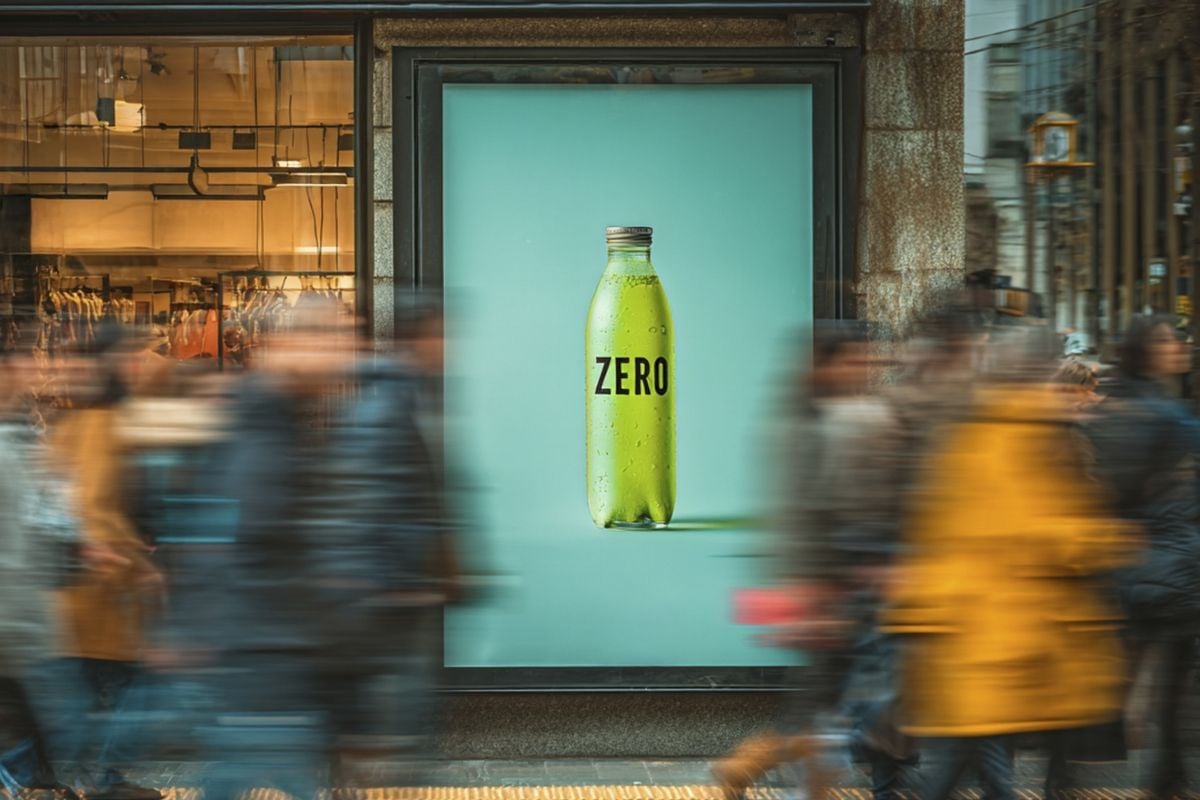
The global beverage industry is undergoing a rapid shift toward functional beverages. It is not just about cutting calories; the trend also reflects several changes in consumer priorities…
Most consumers are now seeking drinks that deliver benefits for performance and health without adding calories.
While the regular beverage market has concentrated mainly on reducing sugar and helping with weight management, consumers today are increasingly looking for beverages that offer performance and health benefits without added calories. This shift has driven demand for beverages fortified with electrolytes, vitamins, caffeine, and minerals.
According to Fortune Business Insights, the global diet beverage market (diet soda) was valued at
USD 4.41 billion in 2025. The market is expected to rise from USD 4.65 billion in 2026 to USD 7.29 billion by 2034, with a CAGR of 5.76% in the forecast period. North America currently dominates with a market share of 41.50% in 2025.
Ge geographically, Fortune Business Insights records Asia-Pacific as offering the strongest growth prospects. The main drivers are a young population, rapid urbanization, and rising incomes, especially in large economies such as China, South Korea, and India. The demand for sugar reduction is further reinforced by public health concerns such as obesity, diabetes, and chronic diet-related diseases.
In South Korea, the beverage sector is undergoing a notable transformation. According to Seoul Finance, the summer of 2026 is expected to be a battleground for beer and zero-calorie soft drinks. This shift is not a seasonal phenomenon; it is part of a broader trend that has been developing for several years.
Overall, beer consumption in Korea has declined — total beer sales fell 6.4% in 2025, according to Emart data — but sales of light, low-calorie beers surged 32%, and non-alcoholic beer rose 21% in the same period. This is clear evidence that consumers are seeking options that balance flavor with moderation.
Major beverage companies have moved quickly to adapt. For example, Lotte Chilsung recently revamped its light beer line with the launch of "Cloud Crush," a 4% ABV product with only 25 kcal per 100 ml. OB Beer, another major brand, has expanded its Cass-branded lineup with a range of non-alcoholic options: Cass 0.0, Cass Lemon Squeeze 0.0, and Cass All Zero. The latter is described as non-alcoholic, sugar-free, calorie-free, and gluten-free.
In Korea, HiteJinro also launched "Terra Light," a beverage that not only removes alcohol but is zero calories and contains no sweeteners. By the end of 2025 these products had reached about 55,000 restaurants nationwide, illustrating how rapidly the market can develop when barriers are lowered.
In Vietnam, demand for sugar-free beverages is rising rapidly, reflecting shifts in consumer tastes and health awareness. Younger consumers in particular care about low- or zero-sugar versions as they meet thirst-quenching needs while ensuring health benefits. In major cities, consumers tend to favor diet soft drinks or vitamin-enhanced beverages with no added sugar.
To meet the trend, many brands at home and abroad have launched "zero" versions to meet new demand. In the carbonated soft drinks segment, Coca-Cola Zero Sugar and Pepsi Zero Calories are currently the most popular products. Coca-Cola distributes Sprite Zero, and PepsiCo expands with 7Up Free, a sugar-free carbonated beverage fortified with fiber to refresh and support digestion.
In the sports drink segment, Revive Zero Cal is positioned with the message "3 no's" (no sugar, no calories, no carbonation), targeting fitness enthusiasts and those on diet. Also there are sugar-free options such as Monster Zero Sugar and Red Bull Zero Sugar.
In bottled tea, brands such as Kirin Green Tea and Tea Plus Oolong have introduced sugar-free versions. In non-alcoholic beer, Heineken is strengthening its leadership with the launch of Heineken 0.0 Ultimate, a new non-alcoholic beer that is calorie-free and sugar-free with a light fruity flavor.
However, contrary to common belief, many nutrition experts say sugar-free drinks are not entirely safe as advertised. According to Dr. Bui Tuong Anh, a nutrition specialist at Hanoi University of Medical University Hospital, even though they contain no sucrose, zero-calorie sodas still use artificial sweeteners such as aspartame, sucralose, or acesulfame-K.
Plain water, unsweetened tea, and fresh fruit juice without added sugar remain the safest long-term choices for health. "Zero-calorie soft drinks can be a temporary solution to reduce sugar intake, but should not be considered daily beverage," Dr. Tuong Anh noted.