•
•
•
•
•
•
•
•
•
•
•
•
•
•
•
•
•
•
•
•
•
•
•
•
•
•
•
•
•
•
•
•
•


The extended 9-day holiday significantly boosted Ho Chi Minh City’s tourism activity, delivering strong visitor numbers and revenue compared with the same period last year.
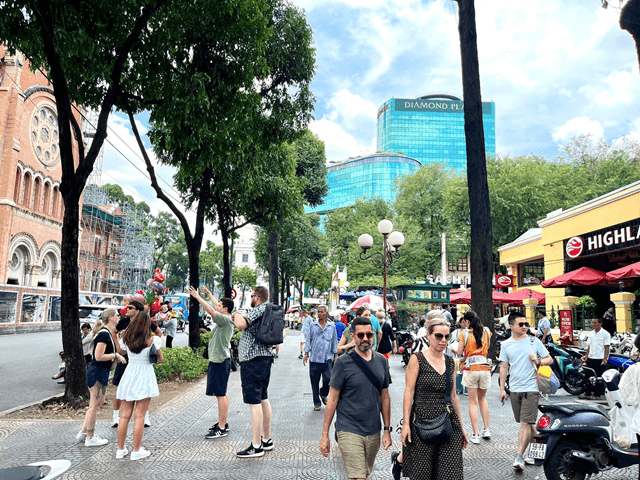
From April 25 to May 3, the city is estimated to welcome about 190,000 international visitors and 1.5 million domestic visitors, bringing total visitors to nearly 1.7 million. Total tourism revenue reached about 8.7 trillion dong.
The main driver was the long holiday, with adjacent holidays lifting travel demand across the region. By leveraging connectivity, the city developed a chain of products combining urban, ecological, cultural, and coastal experiences, attracting more domestic travelers.
From early April, the local tourism sector rolled out nearly 1,000 new products and services. One highlight was the 22nd Ho Chi Minh City Tourism Festival, where many domestic tours were sold with promotions, helping draw visitors to the city center.
During the holiday period, the city organized “Non sông thong nhất” festival fireworks at seven locations on April 30, alongside cultural and arts activities across Nguyen Hue Walking Street, the city’s central park, and Ba Ria Park Square.
In addition to individual travelers, the city welcomed MICE groups from Indonesia totaling about 890 attendees. Central hotels hosted guests from May 1 to May 9, helping diversify international visitor sources.
Tour products were refreshed to emphasize enhanced experiences. Offerings included “Saigon’s Underground” tours in vintage cars and the program “I love Ho Chi Minh City,” connecting the downtown area with Can Gio and Cu Chi. Eco-friendly, creative, and wellness-focused products were also expanded.
Premium experiences were bundled into a “water and air” package chain targeting higher-spending customers, including city views by helicopter and five-star river cruises on the Saigon River.
Tour prices were flexibly adjusted, with many operators offering discounts up to 41%, covering short trips and thematic journeys tied to history, culture, and urban life.
For international visitors, products such as free walking tours, night-time city explorations, and Chinatown experiences were upgraded. In river tourism, dinner cruises, fireworks viewing, and river-based performances helped extend stays.
Hotel occupancy in the city center and coastal areas rose during peak periods, but ample supply and early preparation ensured adequate rooms, with no shortages. Accommodations upgraded infrastructure and adjusted staffing by segment, while promotional packages with reasonable prices were rolled out to support market stability.
A notable trend was the packaging of lodging, dining, and entertainment into bundled experiences. All-inclusive combinations featuring stays, dining, and cultural experiences were expanded to meet short-trip demand.
The city also launched a Travel Pass program for international guests, integrating transport, dining, and shopping to create a seamless travel experience.
Throughout the holiday, hospitality and service delivery were active across the city center, ecological sites, and coastal zones. Service governance was tightened, including price transparency, food safety, fire safety, and environmental protections.
These results reflect Ho Chi Minh City’s continued role as a tourism hub, highlighting the effectiveness of stimulus initiatives, regional linkages, and product diversification in attracting and retaining visitors.
Source: Tu Kin, Government Newspaper; Fili news link


Premium gym chains are entering a “golden era” that is ending or already in decline, as rising operating costs collide with shifting consumer preferences toward more flexible, community-based ways to exercise. Long-term memberships are shrinking, margins are pressured by higher rents and facility expenses, and competition from smaller, more personalized…